





Palaeontology


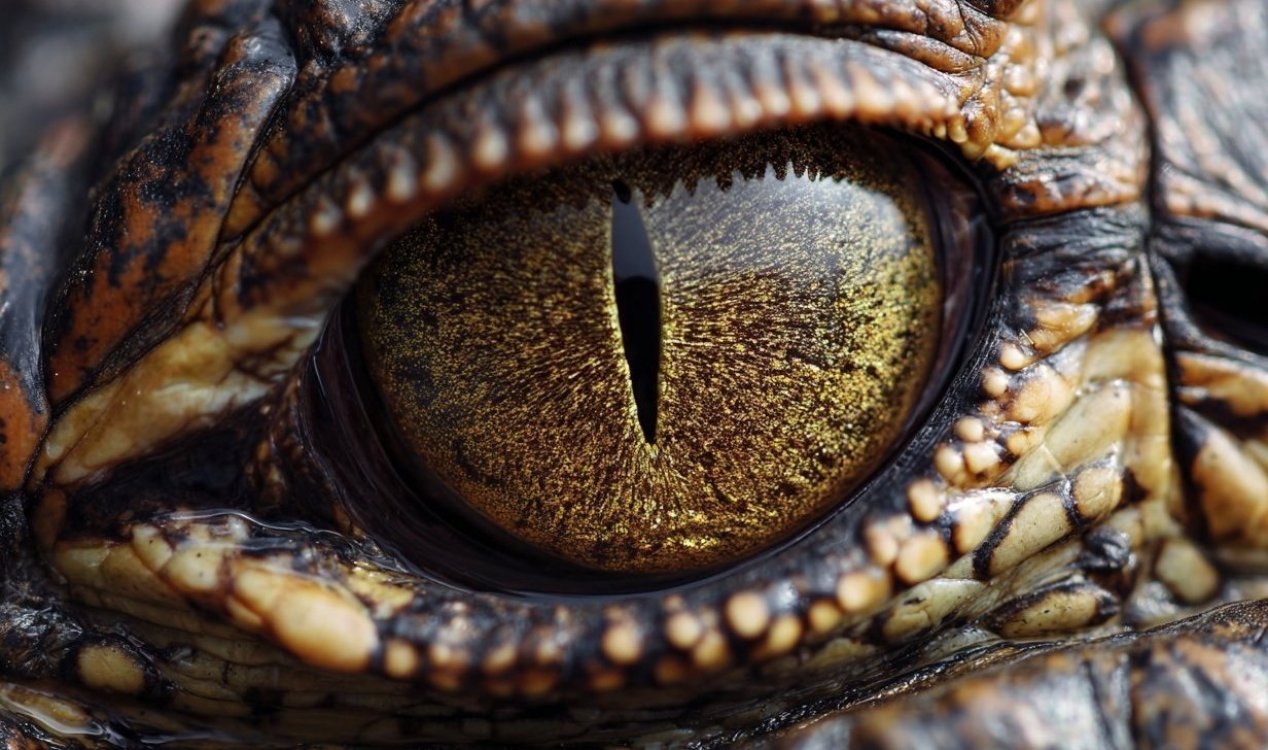
Image: AI-generated (Midjourney)
Resembling a very large salamander, this enormous reptile likely roamed swamps and lakes where it sought out and devoured its prey using its powerful jaws.
It lived 280 million years ago, which was long before the dinosaurs had arrived on the scene.
"When we found this enormous specimen just lying on the outcrop as a giant concretion, it was really shocking," said Prof Claudia Marsicano of the University of Buenos Aires.
"I knew just from seeing it that it was something completely different. We were all very excited."
In total, the team found four incomplete fossil skeletons.
"It's got a big, flat, toilet seat-shaped head, which allows it to open its mouth and suck in prey," said study co-author Jason Pardo of the Field Museum in Chicago.
"It has these huge fangs, the whole front of the mouth is just giant teeth."
Source: The Conversation
Prehistoric predator found in Namibia had toilet seat-shaped head
July 6, 2024
Image: AI-generated (Midjourney)
This recently discovered salamander-like apex predator roamed the Earth some 280 million years ago.
Measuring 2.5 meters in length and sporting both deadly interlocking fangs and a head that was shaped like a toilet seat, this remarkable new species - named Gaiasia jennyae - was unearthed by palaeontologists recently in modern day Namibia.Resembling a very large salamander, this enormous reptile likely roamed swamps and lakes where it sought out and devoured its prey using its powerful jaws.
It lived 280 million years ago, which was long before the dinosaurs had arrived on the scene.
"When we found this enormous specimen just lying on the outcrop as a giant concretion, it was really shocking," said Prof Claudia Marsicano of the University of Buenos Aires.
In total, the team found four incomplete fossil skeletons.
"It's got a big, flat, toilet seat-shaped head, which allows it to open its mouth and suck in prey," said study co-author Jason Pardo of the Field Museum in Chicago.
"It has these huge fangs, the whole front of the mouth is just giant teeth."
Source: The Conversation
Similar stories based on this topic:



The Unexplained Mysteries
Book of Weird News
AVAILABLE NOW
Take a walk on the weird side with this compilation of some of the weirdest stories ever to grace the pages of a newspaper.
Click here to learn more

Support us on Patreon
BONUS CONTENTFor less than the cost of a cup of coffee, you can gain access to a wide range of exclusive perks including our popular 'Lost Ghost Stories' series.
Click here to learn more

1 week
2 weeks
3 weeks
1 month


This week
This month
All time
 |
1. | Pareidolia |
 |
2. | Loch Ness Monster |
|
3. | Orb |
|
4. | Area 51 |
|
5. | Bigfoot |
|
6. | Spirit Photography (Classic) |
|
7. | Unidentified Flying Object |
|
8. | Electronic Voice Phenomenon |
|
9. | Roswell Incident |
|
10. | Paranormal |


Top | Home | Forum
News | Columns | Encyclopedia


UM 11.3 Unexplained-Mysteries.com (c) 2001-2026
Terms | Privacy Policy | Cookies | Contact
News | Columns | Encyclopedia
UM 11.3 Unexplained-Mysteries.com (c) 2001-2026
Terms | Privacy Policy | Cookies | Contact