





Palaeontology
June 26, 2026


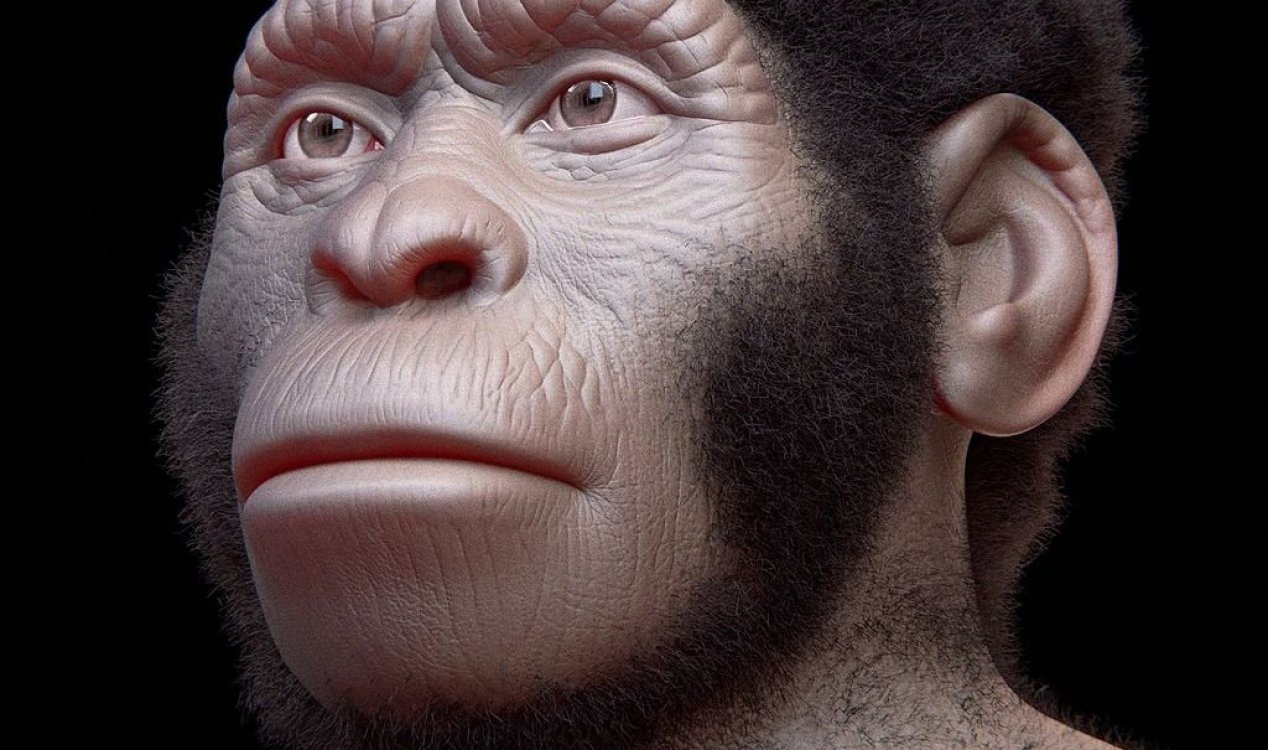
Image: Homo Naledi Facial Reconstruction
Credit: Cicero Moraes (Arc-Team) et alii / CC BY 4.0 (adapted)
What made the discovery so significant is that these bones, which belonged to a species of extinct hominin known as Homo Naledi, seemed to have been deliberately buried in the ground in some of the remotest and most difficult to access parts of the cave.
This suggested that Homo Naledi had engaged in mortuary practices some 240,000 years ago - a time long before even modern humans had done so.
Now, a renewed analysis of the fossil remains from the cave has revealed something shocking - every single individual found to date appears to be female.
This suggests that these ancient people must have specifically selected female members for burial at the cave site.
This is also the first time such a practice has been seen in a species of ancient human ancestor.
Homo Naledi, it seems, is continuing to throw up some intriguing surprises.
Source: Live Science
Major surprise revealed concerning ancient human relative Homo naledi
By T.K. RandallJune 26, 2026
Image: Homo Naledi Facial Reconstruction
Credit: Cicero Moraes (Arc-Team) et alii / CC BY 4.0 (adapted)
An analysis of fossil skeletons found at the Rising Star cave in South Africa has revealed something very unexpected.
Back in 2013, a team of researchers headed up by paleoanthropologist Lee Berger discovered 1,500 bones from at least 15 individuals in the Rising Star cave near Johannesburg, South Africa.
What made the discovery so significant is that these bones, which belonged to a species of extinct hominin known as Homo Naledi, seemed to have been deliberately buried in the ground in some of the remotest and most difficult to access parts of the cave.
This suggested that Homo Naledi had engaged in mortuary practices some 240,000 years ago - a time long before even modern humans had done so.
This suggests that these ancient people must have specifically selected female members for burial at the cave site.
This is also the first time such a practice has been seen in a species of ancient human ancestor.
Homo Naledi, it seems, is continuing to throw up some intriguing surprises.
Source: Live Science
Similar stories based on this topic:



The Unexplained Mysteries
Book of Weird News
AVAILABLE NOW
Take a walk on the weird side with this compilation of some of the weirdest stories ever to grace the pages of a newspaper.
Click here to learn more

Support us on Patreon
BONUS CONTENTFor less than the cost of a cup of coffee, you can gain access to a wide range of exclusive perks including our popular 'Lost Ghost Stories' series.
Click here to learn more

1 week
2 weeks
3 weeks
1 month


This week
This month
All time
 |
1. | Loch Ness Monster |
|
2. | Electronic Voice Phenomenon |
 |
3. | Pareidolia |
|
4. | Ghost |
|
5. | Orb |
|
6. | Area 51 |
|
7. | Yeti |
|
8. | Spirit Photography (Classic) |
|
9. | Bigfoot |
|
10. | Extraterrestrial |


Top | Home | Forum
News | Columns | Encyclopedia


UM 11.3 Unexplained-Mysteries.com (c) 2001-2026
Terms | Privacy Policy | Cookies | Contact
News | Columns | Encyclopedia
UM 11.3 Unexplained-Mysteries.com (c) 2001-2026
Terms | Privacy Policy | Cookies | Contact