





Nature & Environment
September 11, 2018


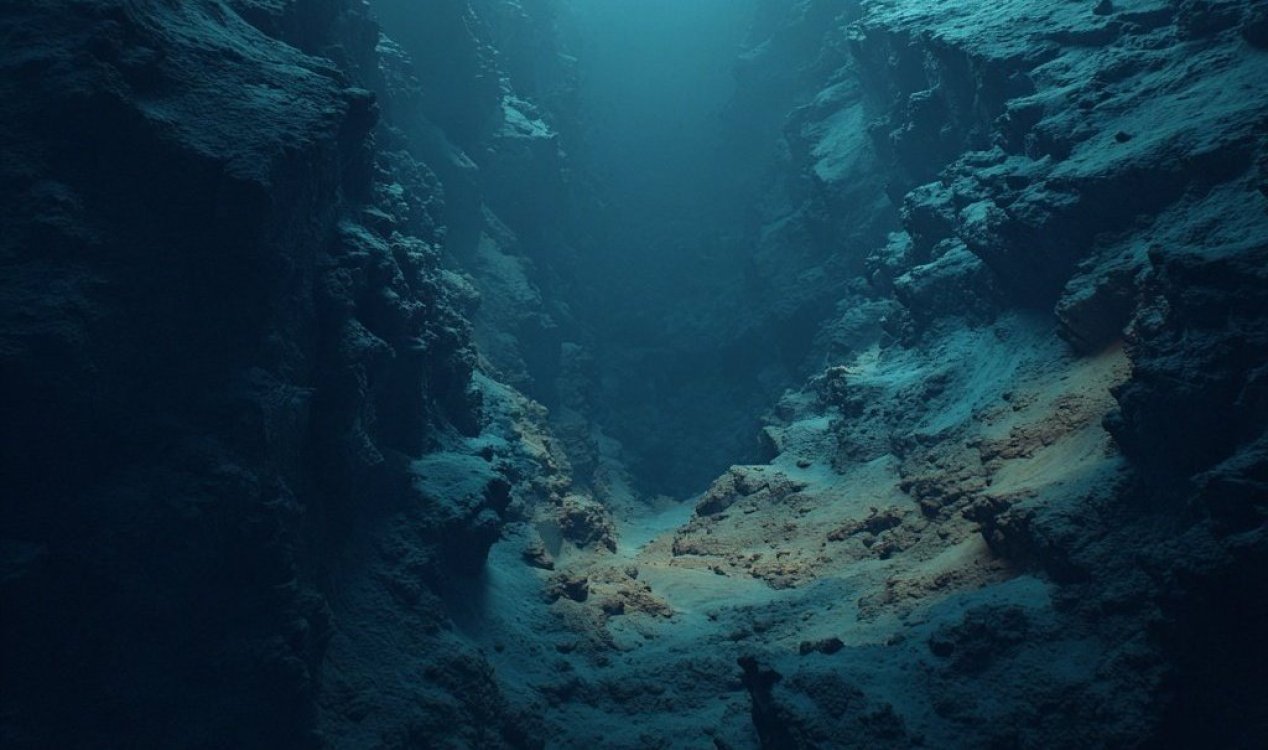
Image: AI-generated (Midjourney)
During a recent expedition, an international team of scientists discovered not one, but three new species of elusive snailfish in the depths of the Atacama Trench off the coast of South America.
"There are lots of invertebrate prey down there and the snailfish are the top predator, they seem to be quite active and look very well-fed," said Dr Thomas Linley from Newcastle University.
The three new species were identified from over 100 hours of footage recorded on the sea floor.
"Their gelatinous structure means they are perfectly adapted to living at extreme pressure and in fact the hardest structures in their bodies are their teeth and the bones in their inner ear which give them balance," said Dr Linley.
"Without the extreme pressure and cold to support their bodies they are extremely fragile and melt rapidly when brought to the surface."
Source: Independent
New fish species found in the Atacama Trench
By T.K. RandallSeptember 11, 2018
Image: AI-generated (Midjourney)
Scientists exploring one of the deepest parts of the ocean have discovered three new species of snailfish.
Despite the freezing temperatures, extreme pressures and complete lack of sunlight found 7,500 meters beneath the surface of the ocean, life has still managed to find a way to thrive.During a recent expedition, an international team of scientists discovered not one, but three new species of elusive snailfish in the depths of the Atacama Trench off the coast of South America.
"There are lots of invertebrate prey down there and the snailfish are the top predator, they seem to be quite active and look very well-fed," said Dr Thomas Linley from Newcastle University.
"Their gelatinous structure means they are perfectly adapted to living at extreme pressure and in fact the hardest structures in their bodies are their teeth and the bones in their inner ear which give them balance," said Dr Linley.
"Without the extreme pressure and cold to support their bodies they are extremely fragile and melt rapidly when brought to the surface."
Source: Independent



The Unexplained Mysteries
Book of Weird News
AVAILABLE NOW
Take a walk on the weird side with this compilation of some of the weirdest stories ever to grace the pages of a newspaper.
Click here to learn more

Support us on Patreon
BONUS CONTENTFor less than the cost of a cup of coffee, you can gain access to a wide range of exclusive perks including our popular 'Lost Ghost Stories' series.
Click here to learn more

1 week
2 weeks
3 weeks
1 month


This week
This month
All time
| - | 1. | Pareidolia |
 |
2. | Loch Ness Monster |
| - | 3. | Yeti |
|
4. | Ghost |
 |
5. | Electronic Voice Phenomenon |
|
6. | Area 51 |
|
7. | Spirit Photography (Classic) |
|
8. | Paranormal |
|
9. | Orb |
| - | 10. | Storm Area 51 |


Top | Home | Forum
News | Columns | Encyclopedia


UM 11.3 Unexplained-Mysteries.com (c) 2001-2026
Terms | Privacy Policy | Cookies | Contact
News | Columns | Encyclopedia
UM 11.3 Unexplained-Mysteries.com (c) 2001-2026
Terms | Privacy Policy | Cookies | Contact