





Modern Mysteries
May 21, 2021


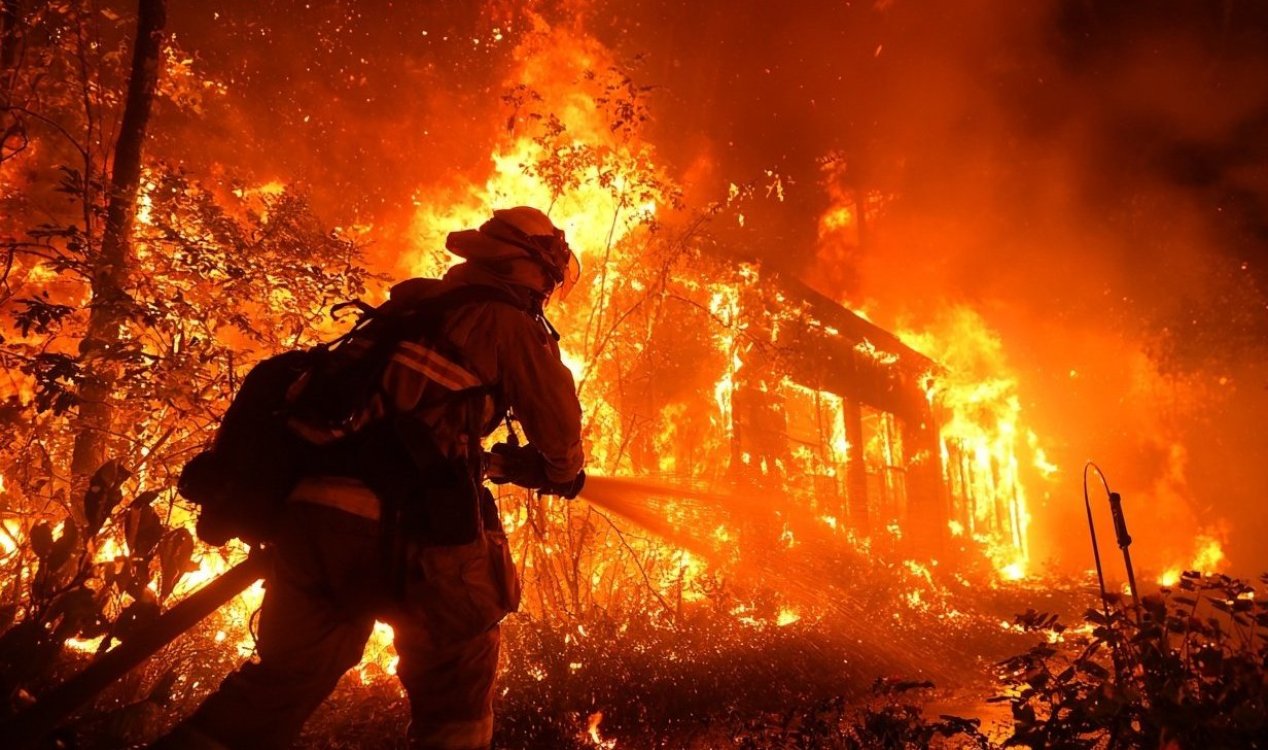
Image: AI-generated (Midjourney)
The huge hydrogen-filled airship was carrying 97 passengers at the time, of which 37 lost their lives when the vessel inexplicably burst into flames and crashed to the ground, bringing with it any remaining confidence in airship travel in general.
Although it is obvious that the gas inside the ship provided the fuel for the blaze, the exact reason why the airship went up in flames in the first place has remained a topic of debate for decades.
One of the most popular theories suggests that the fire started when the buildup of static electricity on the airship's exterior came into contact with a special type of 'dope' ( a mixture of iron oxide and aluminum-impregnated cellulose ) that had been painted all over the canvas.
It wouldn't have taken much of a fire to set the hydrogen inside burning and for the blaze to consume the whole ship.
Fast-forward to the present day and now new clues have surfaced in the form of previously unseen video footage captured by a bystander who had been standing at a different location to the cameras that recorded the most widely distributed clips.
Thanks to this new angle, experts have been able to learn more about how the fire spread.
The new footage, which can be seen below as well as in the NOVA documentary "Hindenburg: The New Evidence", is the most significant new clue about the disaster in years.
"Thanks to this stunning new footage, we were able to revive a cold case investigation surrounding one of the most iconic disasters of the 20th Century," said executive producer Gary Tarpinian.
Source: Live Science
New footage sheds light on Hindenburg disaster
By T.K. RandallMay 21, 2021
Image: AI-generated (Midjourney)
Previously unseen video footage has been helping scientists learn more about the fate of the airship.
One of the 20th Century's most infamous disasters, the destruction of the Hindenburg - a large German passenger airship - occurred following its arrival at Naval Air Station Lakehurst in Manchester Township, New Jersey in May 1937.The huge hydrogen-filled airship was carrying 97 passengers at the time, of which 37 lost their lives when the vessel inexplicably burst into flames and crashed to the ground, bringing with it any remaining confidence in airship travel in general.
Although it is obvious that the gas inside the ship provided the fuel for the blaze, the exact reason why the airship went up in flames in the first place has remained a topic of debate for decades.
One of the most popular theories suggests that the fire started when the buildup of static electricity on the airship's exterior came into contact with a special type of 'dope' ( a mixture of iron oxide and aluminum-impregnated cellulose ) that had been painted all over the canvas.
Fast-forward to the present day and now new clues have surfaced in the form of previously unseen video footage captured by a bystander who had been standing at a different location to the cameras that recorded the most widely distributed clips.
Thanks to this new angle, experts have been able to learn more about how the fire spread.
The new footage, which can be seen below as well as in the NOVA documentary "Hindenburg: The New Evidence", is the most significant new clue about the disaster in years.
"Thanks to this stunning new footage, we were able to revive a cold case investigation surrounding one of the most iconic disasters of the 20th Century," said executive producer Gary Tarpinian.
Source: Live Science



The Unexplained Mysteries
Book of Weird News
AVAILABLE NOW
Take a walk on the weird side with this compilation of some of the weirdest stories ever to grace the pages of a newspaper.
Click here to learn more

Support us on Patreon
BONUS CONTENTFor less than the cost of a cup of coffee, you can gain access to a wide range of exclusive perks including our popular 'Lost Ghost Stories' series.
Click here to learn more

1 week
2 weeks
3 weeks
1 month


This week
This month
All time
 |
1. | Area 51 |
|
2. | Pareidolia |
|
3. | Bigfoot |
| - | 4. | Orb |
 |
5. | Loch Ness Monster |
|
6. | Spirit Photography (Classic) |
|
7. | Unidentified Flying Object |
|
8. | Paranormal |
|
9. | Roswell Incident |
|
10. | Storm Area 51 |


Top | Home | Forum
News | Columns | Encyclopedia


UM 11.3 Unexplained-Mysteries.com (c) 2001-2026
Terms | Privacy Policy | Cookies | Contact
News | Columns | Encyclopedia
UM 11.3 Unexplained-Mysteries.com (c) 2001-2026
Terms | Privacy Policy | Cookies | Contact