





Palaeontology
January 22, 2026


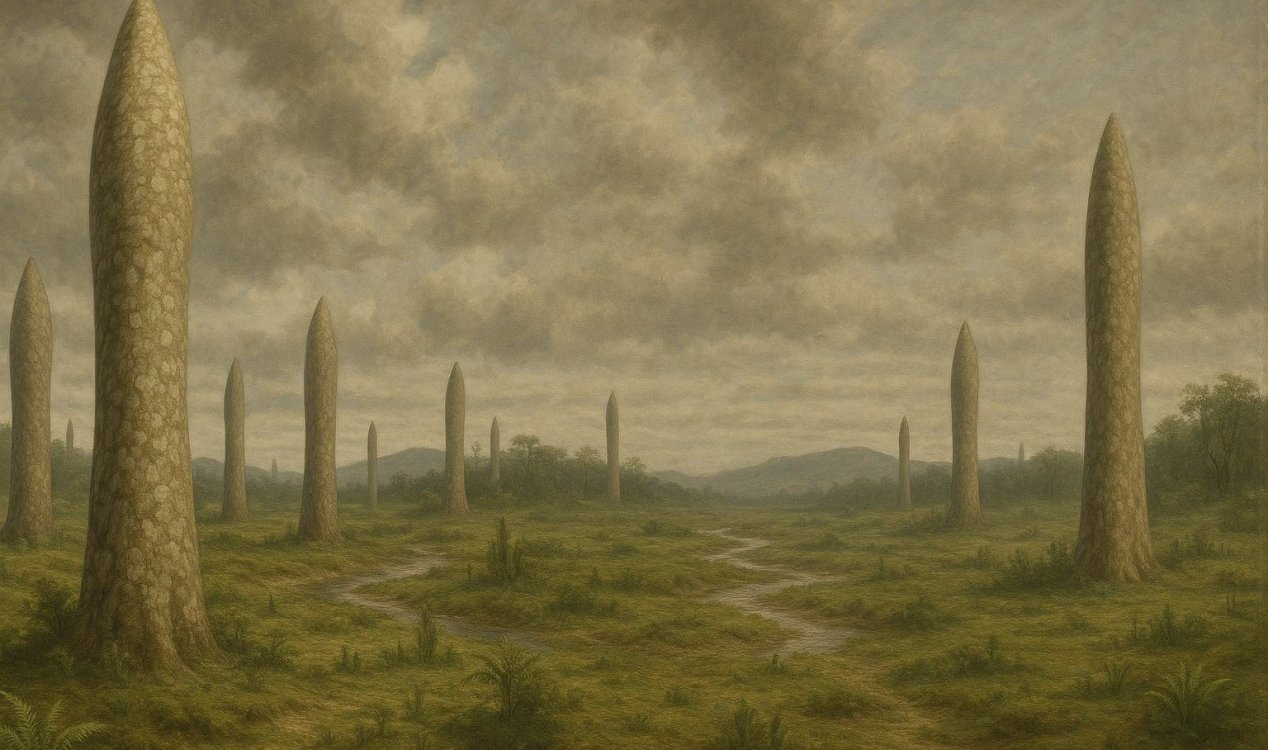
Image: AI-generated (Bing AI / Dall-E 3)
Among the alien-like features would be peculiar pillar-like structures, some exceeding 20ft in height.
These were produced by Prototaxites - mysterious organisms that formed these trunk-like structures from large numbers of tiny interwoven tubules.
At the time, they would have been the largest land-dwelling organisms anywhere on Earth.
But what exactly were they ? A type of fungus, perhaps, or something else entirely ?
After years of debate and uncertainty, researchers in the UK now believe that the reason it has been so difficult to categorize Prototaxites is that they are in fact an entirely new form of life - something completely unrelated to anything else and that have no modern equivalent.
To determine this, they systematically examined fossilized fragments of Prototaxites and compared them to every other candidate group, ruling each one out as they went along.
"Based on this investigation we are unable to assign Prototaxites to any extant lineage, reinforcing its uniqueness," they concluded.
"We conclude that the morphology and molecular fingerprint of P. taiti is clearly distinct from that of the fungi and other organisms preserved alongside it in the [Devonian deposit], and we suggest that it is best considered a member of a previously undescribed, entirely extinct group of eukaryotes."
Source: Science Alert
26-ft-tall prehistoric structures may have been a whole new form of life
By T.K. RandallJanuary 22, 2026
Image: AI-generated (Bing AI / Dall-E 3)
Known as Prototaxites, these bizarre organisms had long proven challenging to categorize.
If you had gone for a stroll through a swamp around 400 million years ago, you might have struggled to even recognize the landscape as something that belongs on planet Earth.Among the alien-like features would be peculiar pillar-like structures, some exceeding 20ft in height.
These were produced by Prototaxites - mysterious organisms that formed these trunk-like structures from large numbers of tiny interwoven tubules.
At the time, they would have been the largest land-dwelling organisms anywhere on Earth.
After years of debate and uncertainty, researchers in the UK now believe that the reason it has been so difficult to categorize Prototaxites is that they are in fact an entirely new form of life - something completely unrelated to anything else and that have no modern equivalent.
To determine this, they systematically examined fossilized fragments of Prototaxites and compared them to every other candidate group, ruling each one out as they went along.
"Based on this investigation we are unable to assign Prototaxites to any extant lineage, reinforcing its uniqueness," they concluded.
"We conclude that the morphology and molecular fingerprint of P. taiti is clearly distinct from that of the fungi and other organisms preserved alongside it in the [Devonian deposit], and we suggest that it is best considered a member of a previously undescribed, entirely extinct group of eukaryotes."
Source: Science Alert
Similar stories based on this topic:



The Unexplained Mysteries
Book of Weird News
AVAILABLE NOW
Take a walk on the weird side with this compilation of some of the weirdest stories ever to grace the pages of a newspaper.
Click here to learn more

Support us on Patreon
BONUS CONTENTFor less than the cost of a cup of coffee, you can gain access to a wide range of exclusive perks including our popular 'Lost Ghost Stories' series.
Click here to learn more

1 week
2 weeks
3 weeks
1 month


This week
This month
All time
 |
1. | Pareidolia |
 |
2. | Loch Ness Monster |
|
3. | Orb |
|
4. | Area 51 |
|
5. | Bigfoot |
|
6. | Spirit Photography (Classic) |
|
7. | Unidentified Flying Object |
|
8. | Electronic Voice Phenomenon |
|
9. | Roswell Incident |
|
10. | Paranormal |


Top | Home | Forum
News | Columns | Encyclopedia


UM 11.3 Unexplained-Mysteries.com (c) 2001-2026
Terms | Privacy Policy | Cookies | Contact
News | Columns | Encyclopedia
UM 11.3 Unexplained-Mysteries.com (c) 2001-2026
Terms | Privacy Policy | Cookies | Contact