





Modern Mysteries
August 6, 2017


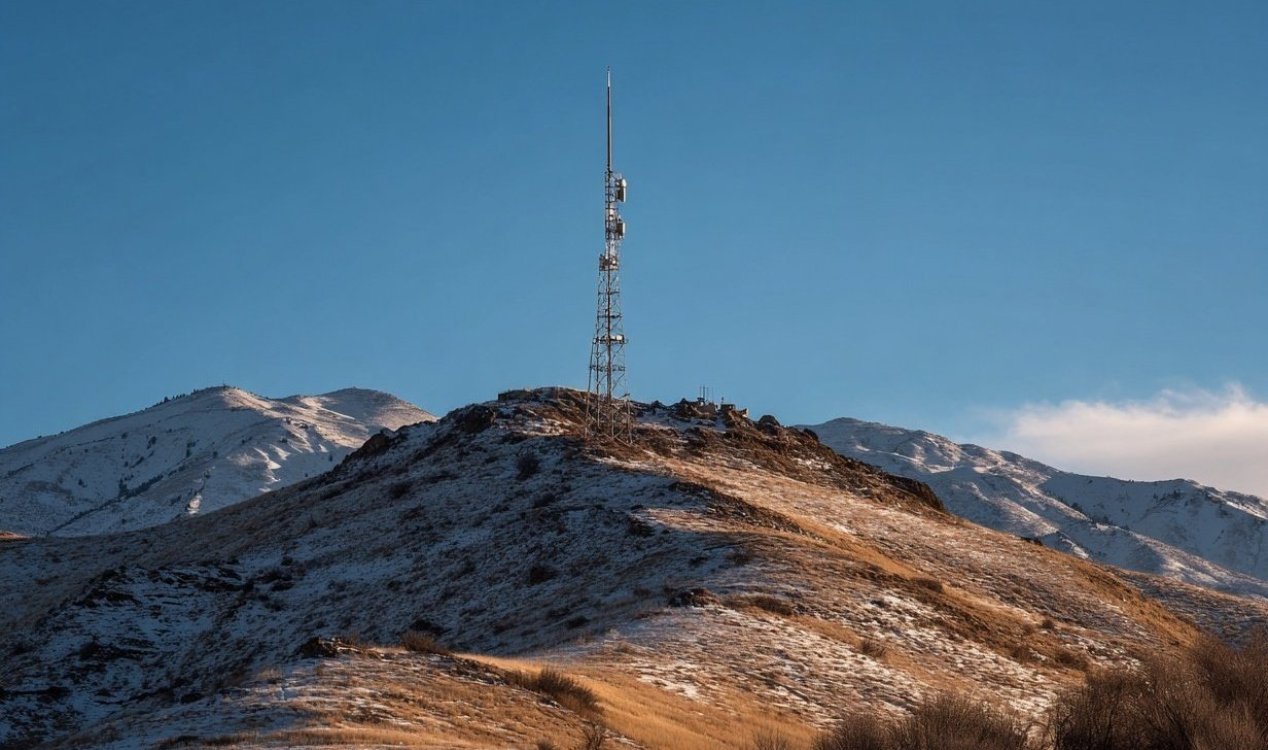
Image: AI-generated (Midjourney)
Every few seconds another sound, which resembles a ship's foghorn, can be heard, while once or twice a week a voice will speak a couple of words in Russian such as 'dinghy' or 'farming specialist'.
So mysterious is this signal, which has become known as 'the Buzzer', that it has sparked its own online following with enthusiasts from around the world struggling to make sense of it.
What little is known about it suggests that it is likely run by the Russian military and may have held more significance during the Cold War.
One rather disturbing possibility is that it could be a 'Dead Hand' signal, the idea being that if Russia was hit by a nuclear strike and the signal ceased, an automatic retaliation would be triggered.
As it stands though, nobody really knows what its true purpose is.
Source: BBC News
The mystery of 'MDZhB' continues to endure
By T.K. RandallAugust 6, 2017
Image: AI-generated (Midjourney)
A radio station in Russia has been broadcasting a mysterious signal non-stop for more than 35 years.
The signal, which can be heard by anyone in the world by tuning in to 4625 kHz, is thought to originate from a collection of radio towers near St Petersburg and has been broadcasting a monotonous tone twenty-four hours a day, seven days a week, non-stop, since 1982.Every few seconds another sound, which resembles a ship's foghorn, can be heard, while once or twice a week a voice will speak a couple of words in Russian such as 'dinghy' or 'farming specialist'.
So mysterious is this signal, which has become known as 'the Buzzer', that it has sparked its own online following with enthusiasts from around the world struggling to make sense of it.
One rather disturbing possibility is that it could be a 'Dead Hand' signal, the idea being that if Russia was hit by a nuclear strike and the signal ceased, an automatic retaliation would be triggered.
As it stands though, nobody really knows what its true purpose is.
Source: BBC News
Recent stories:



The Unexplained Mysteries
Book of Weird News
AVAILABLE NOW
Take a walk on the weird side with this compilation of some of the weirdest stories ever to grace the pages of a newspaper.
Click here to learn more

Support us on Patreon
BONUS CONTENTFor less than the cost of a cup of coffee, you can gain access to a wide range of exclusive perks including our popular 'Lost Ghost Stories' series.
Click here to learn more

1 week
2 weeks
3 weeks
1 month


This week
This month
All time
 |
1. | Pareidolia |
 |
2. | Electronic Voice Phenomenon |
|
3. | Yeti |
|
4. | Paranormal |
|
5. | Orb |
|
6. | Loch Ness Monster |
|
7. | Area 51 |
|
8. | Spirit Photography (Classic) |
|
9. | Ghost |
|
10. | Storm Area 51 |


Top | Home | Forum
News | Columns | Encyclopedia


UM 11.3 Unexplained-Mysteries.com (c) 2001-2026
Terms | Privacy Policy | Cookies | Contact
News | Columns | Encyclopedia
UM 11.3 Unexplained-Mysteries.com (c) 2001-2026
Terms | Privacy Policy | Cookies | Contact