





Palaeontology
April 23, 2019


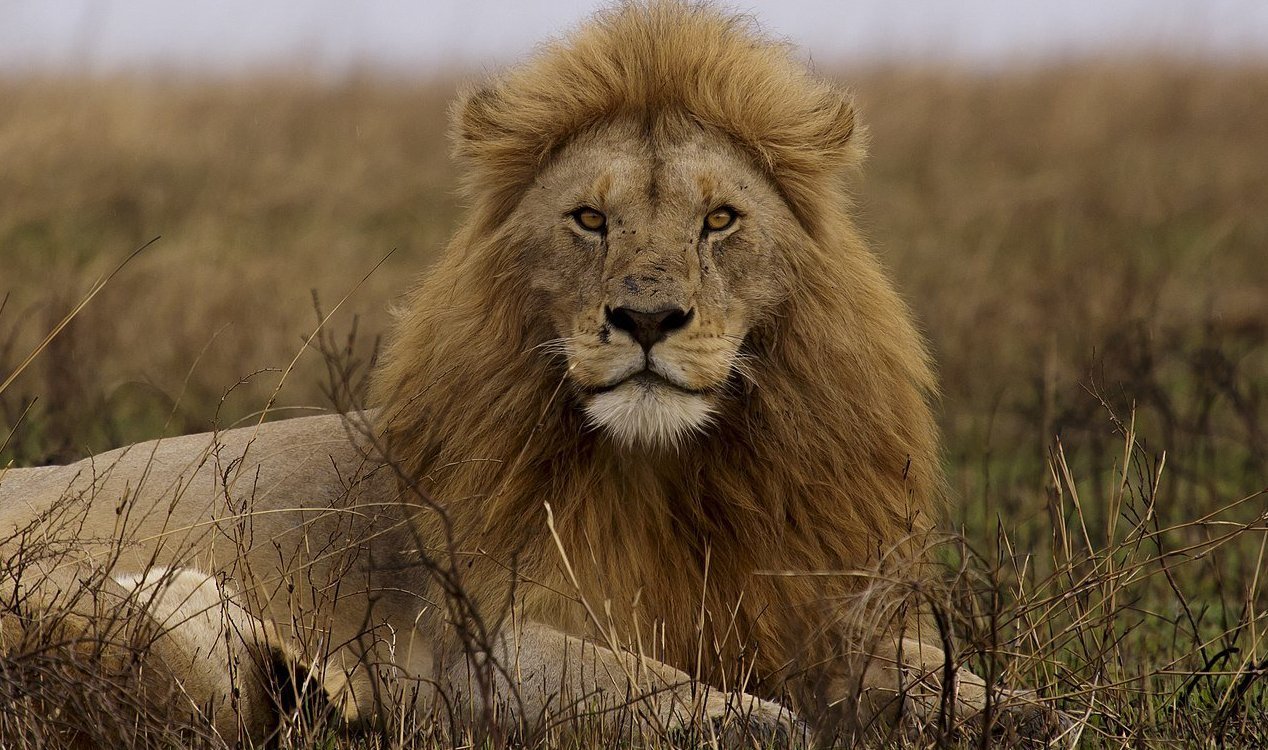
Image: Lion in Serengeti National Park, Tanzania
Credit: Thomas Fuhrmann / CC BY-SA 4.0 (adapted)
Named Simbakubwa kutokaafrika, the species, which lived 45 million years ago, weighed almost 3,000lbs - an insane figure when you consider that modern adult lions weigh in at around 400lbs.
The fossils were found quite by accident by Nancy Stevens and Matthew Borths of Ohio University.
"The most striking feature of Simbakubwa is the size of the specimen," they wrote. "Based on its massive dentition, the animal was significantly larger than any modern African terrestrial carnivore."
It is believed that the hyaenodonts disappeared somewhere around 15 to 18 million years ago.
"We don't know exactly what drove hyaenodonts to extinction, but ecosystems were changing quickly as the global climate became drier," said Borths.
"The gigantic relatives of Simbakubwa were among the last hyaenodonts on the planet."
Source: Popular Mechanics
Gigantic prehistoric predatory cat discovered
By T.K. RandallApril 23, 2019
Image: Lion in Serengeti National Park, Tanzania
Credit: Thomas Fuhrmann / CC BY-SA 4.0 (adapted)
Palaeontologists unexpectedly came across fossil evidence of the creature in a museum drawer in Kenya.
Larger than any of today's lions or tigers, this gargantuan apex predator had a skull the size of a rhinoceros and belonged to an extinct group of mammals known as the hyaenodonts.Named Simbakubwa kutokaafrika, the species, which lived 45 million years ago, weighed almost 3,000lbs - an insane figure when you consider that modern adult lions weigh in at around 400lbs.
The fossils were found quite by accident by Nancy Stevens and Matthew Borths of Ohio University.
"The most striking feature of Simbakubwa is the size of the specimen," they wrote. "Based on its massive dentition, the animal was significantly larger than any modern African terrestrial carnivore."
"We don't know exactly what drove hyaenodonts to extinction, but ecosystems were changing quickly as the global climate became drier," said Borths.
"The gigantic relatives of Simbakubwa were among the last hyaenodonts on the planet."
Kenya's big, big cat. Bones of a giant lion that lived 22 million years ago discovered. Named Simbakubwa kutokaafrika (Kiswahili for big African lion) he weighed 1500kg (today's biggest lions weigh 250kg) and was so powerful he could take down an elephant. https://t.co/gywLbpCVbo pic.twitter.com/zL9SCMc4XZ
— James Hall (@hallaboutafrica) April 19, 2019
Source: Popular Mechanics
Similar stories based on this topic:



The Unexplained Mysteries
Book of Weird News
AVAILABLE NOW
Take a walk on the weird side with this compilation of some of the weirdest stories ever to grace the pages of a newspaper.
Click here to learn more

Support us on Patreon
BONUS CONTENTFor less than the cost of a cup of coffee, you can gain access to a wide range of exclusive perks including our popular 'Lost Ghost Stories' series.
Click here to learn more

1 week
2 weeks
3 weeks
1 month


This week
This month
All time
| - | 1. | Pareidolia |
 |
2. | Loch Ness Monster |
|
3. | Ghost |
 |
4. | Electronic Voice Phenomenon |
|
5. | Yeti |
|
6. | Area 51 |
|
7. | Paranormal |
| - | 8. | Spirit Photography (Classic) |
|
9. | Orb |
| - | 10. | Storm Area 51 |


Top | Home | Forum
News | Columns | Encyclopedia


UM 11.3 Unexplained-Mysteries.com (c) 2001-2026
Terms | Privacy Policy | Cookies | Contact
News | Columns | Encyclopedia
UM 11.3 Unexplained-Mysteries.com (c) 2001-2026
Terms | Privacy Policy | Cookies | Contact