





Archaeology & History
May 23, 2026


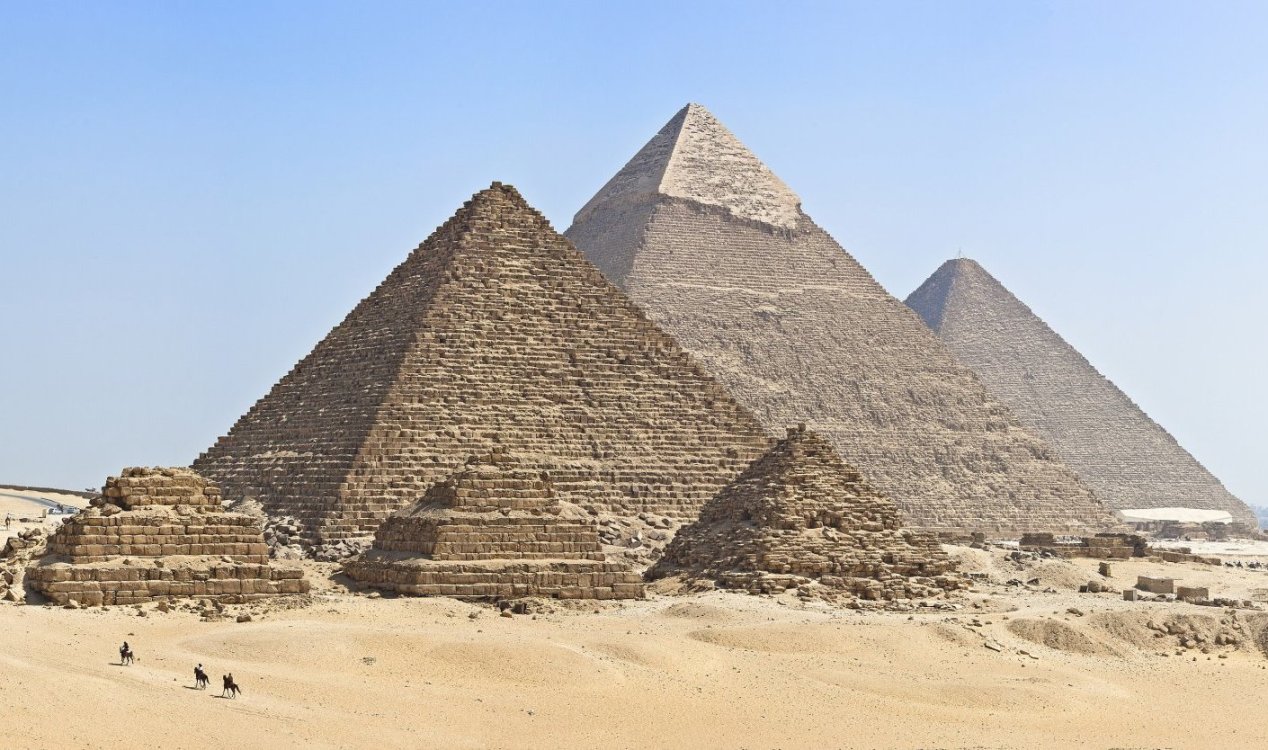
Image: Pyramids of Giza
Credit: KennyOMG / CC BY-SA 4.0 (adapted)
But whereas many other structures over the millennia have succumbed to natural disasters such as earthquakes, the Great Pyramid seems particularly (and perhaps unusually) resilient.
Now, according to a new study, this is because the ancient builders of this remarkable structure actually made it resistant by way of certain architectural features built into its stonework.
By analyzing vibrations through the structure, researchers found that a series of chambers - known as pressure-reliving chambers - actually dampened seismic movement toward the top.
The structure's huge base and symmetrical geometry have also served as stabilizing factors.
When an earthquake happens, the vibrations don't transfer through the structure the way you would expect, effectively protecting the Great Pyramid from the typical damage that might normally occur.
The discovery not only emphasizes the remarkable skills of the people who built it but also provides important information that could help scientists understand how other ancient monuments have survived for thousands of years as well.
Source: Live science
Scientists discover why the Great Pyramid is so resilient to earthquakes
By T.K. RandallMay 23, 2026
Image: Pyramids of Giza
Credit: KennyOMG / CC BY-SA 4.0 (adapted)
The ancient wonder of the world has stood for 4,500 years - but why haven't earthquakes caused it to collapse?
To stand at the base of the Great Pyramid is to behold a structure that has stood the test of time like few others have - a monument to the skills of a civilization long relegated to history.But whereas many other structures over the millennia have succumbed to natural disasters such as earthquakes, the Great Pyramid seems particularly (and perhaps unusually) resilient.
Now, according to a new study, this is because the ancient builders of this remarkable structure actually made it resistant by way of certain architectural features built into its stonework.
The structure's huge base and symmetrical geometry have also served as stabilizing factors.
When an earthquake happens, the vibrations don't transfer through the structure the way you would expect, effectively protecting the Great Pyramid from the typical damage that might normally occur.
The discovery not only emphasizes the remarkable skills of the people who built it but also provides important information that could help scientists understand how other ancient monuments have survived for thousands of years as well.
Source: Live science
Similar stories based on this topic:



The Unexplained Mysteries
Book of Weird News
AVAILABLE NOW
Take a walk on the weird side with this compilation of some of the weirdest stories ever to grace the pages of a newspaper.
Click here to learn more

Support us on Patreon
BONUS CONTENTFor less than the cost of a cup of coffee, you can gain access to a wide range of exclusive perks including our popular 'Lost Ghost Stories' series.
Click here to learn more

1 week
2 weeks
3 weeks
1 month


This week
This month
All time
 |
1. | Spirit Photography (Classic) |
 |
2. | Electronic Voice Phenomenon |
|
3. | Roswell Incident |
|
4. | Pareidolia |
|
5. | Paranormal |
| - | 6. | Yeti |
| - | 7. | Area 51 |
|
8. | Orb |
| - | 9. | Bigfoot |
|
10. | Ghost |


Top | Home | Forum
News | Columns | Encyclopedia


UM 11.3 Unexplained-Mysteries.com (c) 2001-2026
Terms | Privacy Policy | Cookies | Contact
News | Columns | Encyclopedia
UM 11.3 Unexplained-Mysteries.com (c) 2001-2026
Terms | Privacy Policy | Cookies | Contact