





Archaeology & History
May 4, 2014


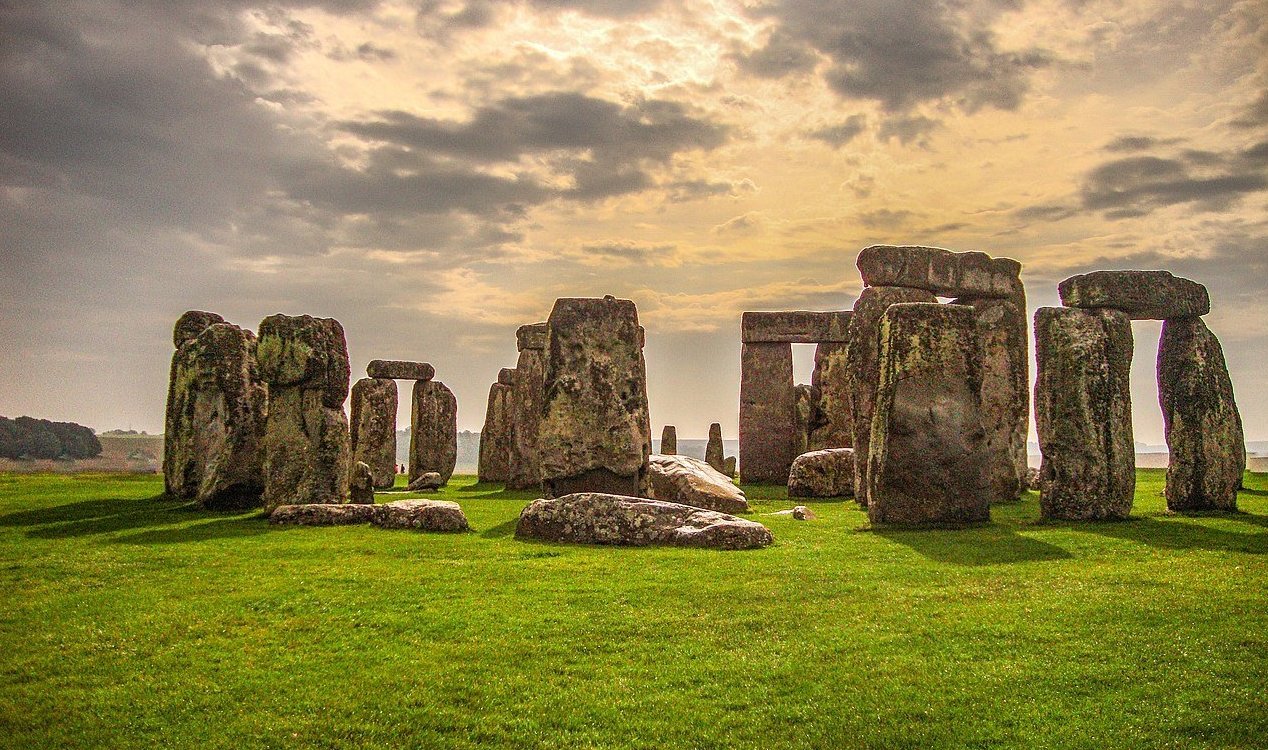
Image: Stonehenge, Wiltshire
Credit: Udit Kapoor / CC BY-SA 4.0 (adapted)
The revelation helps to shed light on the origins of the neolithic monument Stonehenge which was once thought to have been a new build constructed in an otherwise empty landscape.
"The area was clearly a hub point for people to come to from many miles away, and in many ways was a forerunner for what later went on at Stonehenge itself," said researcher David Jacques. "The first monuments at Stonehenge were built by these people."
Archaeologists were able to determine the origins of Amesbury by using carbon dating techniques on a haul of animal bones, including wild boar and red deer, uncovered at a nearby dig site.
"We are naturally delighted at the confirmation of Amesbury's longevity as the oldest continuous inhabited place in England," said Amesbury History Centre spokesman Bill Dunn. "We have always known Amesbury as somewhere special and this confirms it."
Source: AOL Travel
UK's oldest town dates back 10,000 years
By T.K. RandallMay 4, 2014
Image: Stonehenge, Wiltshire
Credit: Udit Kapoor / CC BY-SA 4.0 (adapted)
Amesbury in Wiltshire, the home of Stonehenge, has been revealed to be the oldest town in Britain.
Officially regarded as the birthplace of history in Britain, the town was founded more than 10 millennia ago by British settlers and has been occupied continuously since 8,820 BC.The revelation helps to shed light on the origins of the neolithic monument Stonehenge which was once thought to have been a new build constructed in an otherwise empty landscape.
Archaeologists were able to determine the origins of Amesbury by using carbon dating techniques on a haul of animal bones, including wild boar and red deer, uncovered at a nearby dig site.
"We are naturally delighted at the confirmation of Amesbury's longevity as the oldest continuous inhabited place in England," said Amesbury History Centre spokesman Bill Dunn. "We have always known Amesbury as somewhere special and this confirms it."
Source: AOL Travel



The Unexplained Mysteries
Book of Weird News
AVAILABLE NOW
Take a walk on the weird side with this compilation of some of the weirdest stories ever to grace the pages of a newspaper.
Click here to learn more

Support us on Patreon
BONUS CONTENTFor less than the cost of a cup of coffee, you can gain access to a wide range of exclusive perks including our popular 'Lost Ghost Stories' series.
Click here to learn more

1 week
2 weeks
3 weeks
1 month


This week
This month
All time
| - | 1. | Pareidolia |
 |
2. | Loch Ness Monster |
|
3. | Ghost |
 |
4. | Electronic Voice Phenomenon |
|
5. | Yeti |
|
6. | Area 51 |
|
7. | Paranormal |
| - | 8. | Spirit Photography (Classic) |
|
9. | Orb |
| - | 10. | Storm Area 51 |


Top | Home | Forum
News | Columns | Encyclopedia


UM 11.3 Unexplained-Mysteries.com (c) 2001-2026
Terms | Privacy Policy | Cookies | Contact
News | Columns | Encyclopedia
UM 11.3 Unexplained-Mysteries.com (c) 2001-2026
Terms | Privacy Policy | Cookies | Contact