





Palaeontology
September 19, 2016


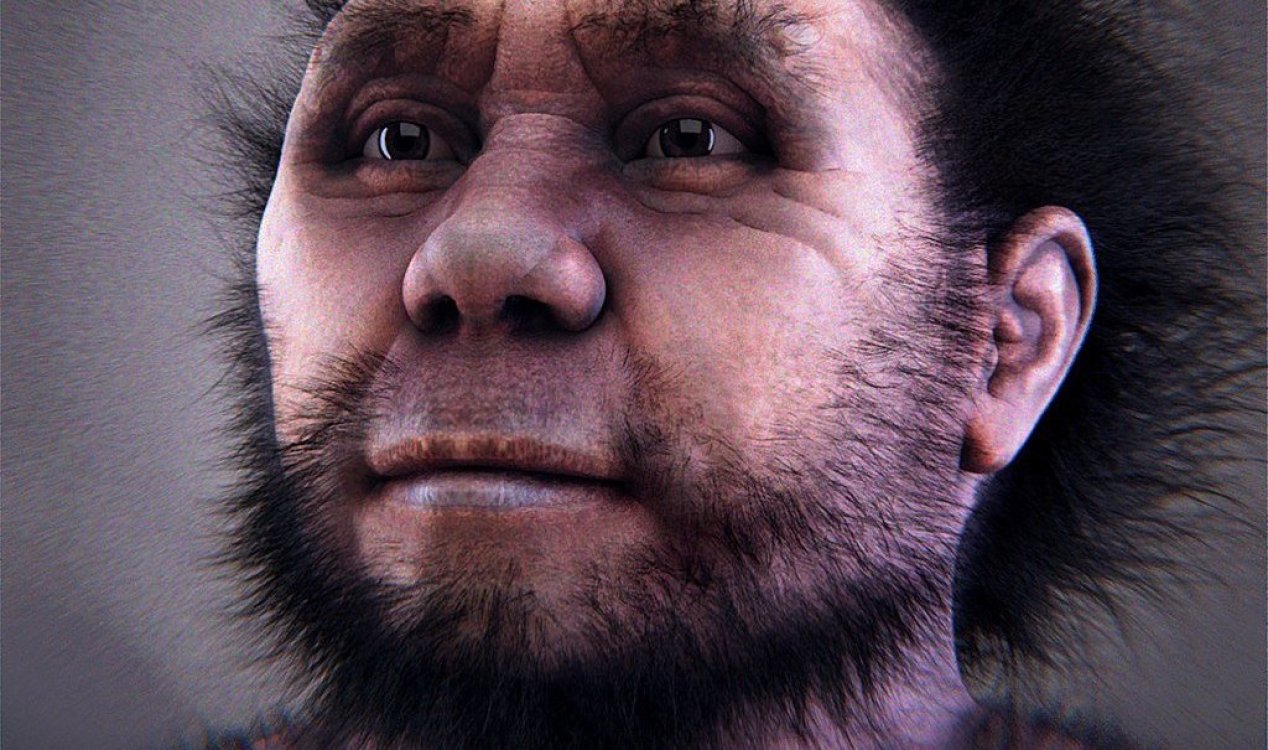
Image: Homo Erectus
Credit: Cicero Moraes / CC BY-SA 4.0 (adapted)
Historical evidence, including signs of malignant tumors within a 120,000-year-old Neanderthal fossil, has shown us that cancer is actually a disease that can be traced far back in to prehistory.
Now scientists believe that they have managed to push the origins of the disease back even further thanks to the discovery of what is thought to be evidence of bone cancer in an early human ancestor that lived in South Africa over 1.7 million years ago.
Discovered within the Swartkrans Cave site, this prehistoric fossil foot exhibits clear indications of a malignant tumor that had originated from within the bone and would have most likely proved fatal.
By analyzing these early cases, which occurred at a time long before the existence of the toxins and modern lifestyle factors we typically associate with the disease, scientists hope to be able to learn more about how cancer arises as well as when and where it ultimately originated.
Source: Heritage Daily
Cancer evidence dates back 1.7 million years
By T.K. RandallSeptember 19, 2016
Image: Homo Erectus
Credit: Cicero Moraes / CC BY-SA 4.0 (adapted)
Scientists have found signs of bone cancer in the fossil remains of an early South African hominin.
It is a common misconception that cancer is exclusively a disease of the modern world - a malady brought about only through exposure to toxins, poor eating habits and other contemporary factors.Historical evidence, including signs of malignant tumors within a 120,000-year-old Neanderthal fossil, has shown us that cancer is actually a disease that can be traced far back in to prehistory.
Discovered within the Swartkrans Cave site, this prehistoric fossil foot exhibits clear indications of a malignant tumor that had originated from within the bone and would have most likely proved fatal.
By analyzing these early cases, which occurred at a time long before the existence of the toxins and modern lifestyle factors we typically associate with the disease, scientists hope to be able to learn more about how cancer arises as well as when and where it ultimately originated.
Source: Heritage Daily
Similar stories based on this topic:



The Unexplained Mysteries
Book of Weird News
AVAILABLE NOW
Take a walk on the weird side with this compilation of some of the weirdest stories ever to grace the pages of a newspaper.
Click here to learn more

Support us on Patreon
BONUS CONTENTFor less than the cost of a cup of coffee, you can gain access to a wide range of exclusive perks including our popular 'Lost Ghost Stories' series.
Click here to learn more

1 week
2 weeks
3 weeks
1 month


This week
This month
All time
| - | 1. | Electronic Voice Phenomenon |
 |
2. | Roswell Incident |
|
3. | Paranormal |
| - | 4. | Spirit Photography (Classic) |
 |
5. | Pareidolia |
|
6. | Orb |
|
7. | Yeti |
|
8. | Area 51 |
| - | 9. | Bigfoot |
|
10. | Ghost |


Top | Home | Forum
News | Columns | Encyclopedia


UM 11.3 Unexplained-Mysteries.com (c) 2001-2026
Terms | Privacy Policy | Cookies | Contact
News | Columns | Encyclopedia
UM 11.3 Unexplained-Mysteries.com (c) 2001-2026
Terms | Privacy Policy | Cookies | Contact