





Science & Technology
March 12, 2019


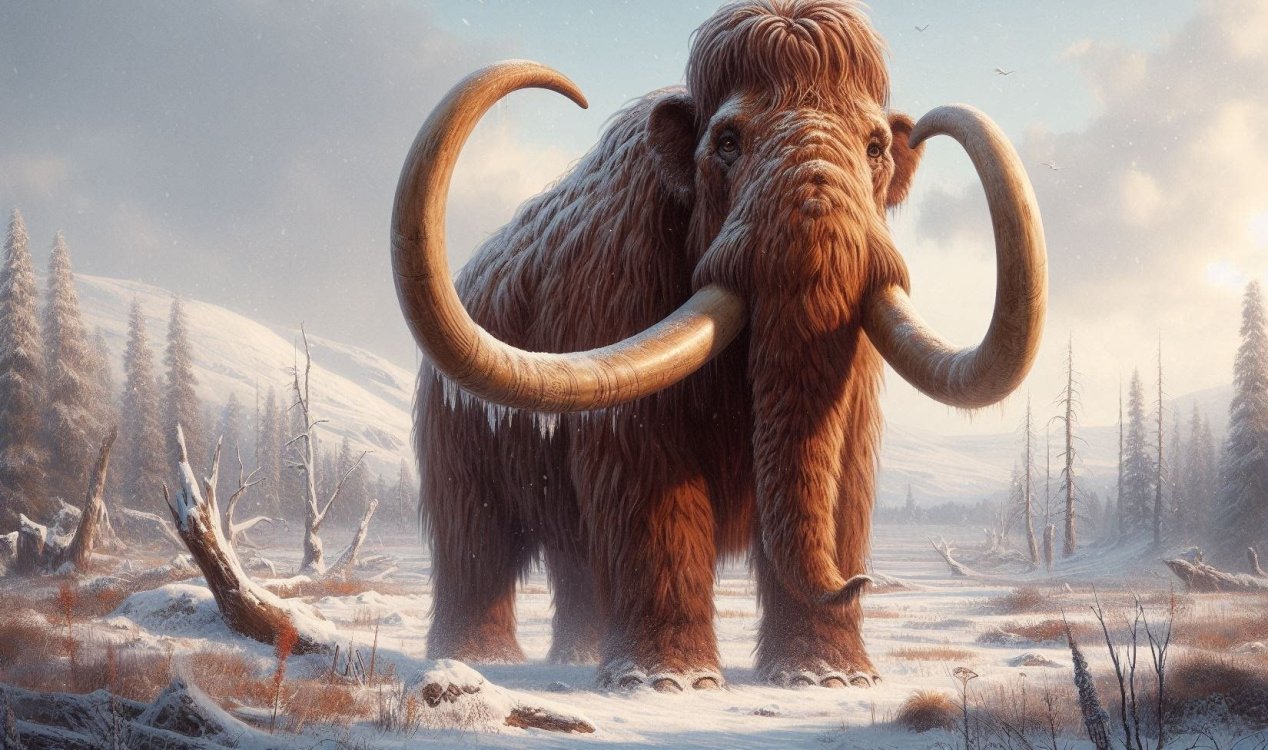
Image: AI-generated (Bing AI / Dall-E 3)
Since then, scientists have been attempting to use these samples to achieve the seemingly impossible task of bringing back - for the first time - a species that has been extinct for thousands of years.
Most recently, scientists at Kindai University in Osaka, Japan have reported the first major step towards this goal by not only confirming the authenticity of the samples, but also observing signs of biological activity after injecting mammoth muscle cell nuclei in to mouse egg cells.
This activity reportedly included a type of structural formation that precedes cell division.
Study co-author Kei Miyamoto described the breakthrough as a "significant step towards bringing mammoths back from the dead" but noted that there was "still a long way to go."
"We want to move our study forward to the stage of cell division," he said.
Source: Telegraph
Mammoth resurrection is now one step closer
By T.K. RandallMarch 12, 2019
Image: AI-generated (Bing AI / Dall-E 3)
Japanese scientists have achieved a 'significant step' towards the de-extinction of the woolly mammoth.
Back in 2010, bone marrow and muscle tissue were retrieved from the 28,000-year-old remains of a young mammoth found in a remarkable state of preservation in the Siberian permafrost.Since then, scientists have been attempting to use these samples to achieve the seemingly impossible task of bringing back - for the first time - a species that has been extinct for thousands of years.
Most recently, scientists at Kindai University in Osaka, Japan have reported the first major step towards this goal by not only confirming the authenticity of the samples, but also observing signs of biological activity after injecting mammoth muscle cell nuclei in to mouse egg cells.
Study co-author Kei Miyamoto described the breakthrough as a "significant step towards bringing mammoths back from the dead" but noted that there was "still a long way to go."
"We want to move our study forward to the stage of cell division," he said.
Source: Telegraph
Similar stories based on this topic:



The Unexplained Mysteries
Book of Weird News
AVAILABLE NOW
Take a walk on the weird side with this compilation of some of the weirdest stories ever to grace the pages of a newspaper.
Click here to learn more

Support us on Patreon
BONUS CONTENTFor less than the cost of a cup of coffee, you can gain access to a wide range of exclusive perks including our popular 'Lost Ghost Stories' series.
Click here to learn more

1 week
2 weeks
3 weeks
1 month


This week
This month
All time
| - | 1. | Pareidolia |
 |
2. | Loch Ness Monster |
| - | 3. | Yeti |
|
4. | Ghost |
 |
5. | Electronic Voice Phenomenon |
|
6. | Area 51 |
|
7. | Spirit Photography (Classic) |
|
8. | Paranormal |
|
9. | Orb |
| - | 10. | Storm Area 51 |


Top | Home | Forum
News | Columns | Encyclopedia


UM 11.3 Unexplained-Mysteries.com (c) 2001-2026
Terms | Privacy Policy | Cookies | Contact
News | Columns | Encyclopedia
UM 11.3 Unexplained-Mysteries.com (c) 2001-2026
Terms | Privacy Policy | Cookies | Contact