





Science & Technology
March 4, 2025


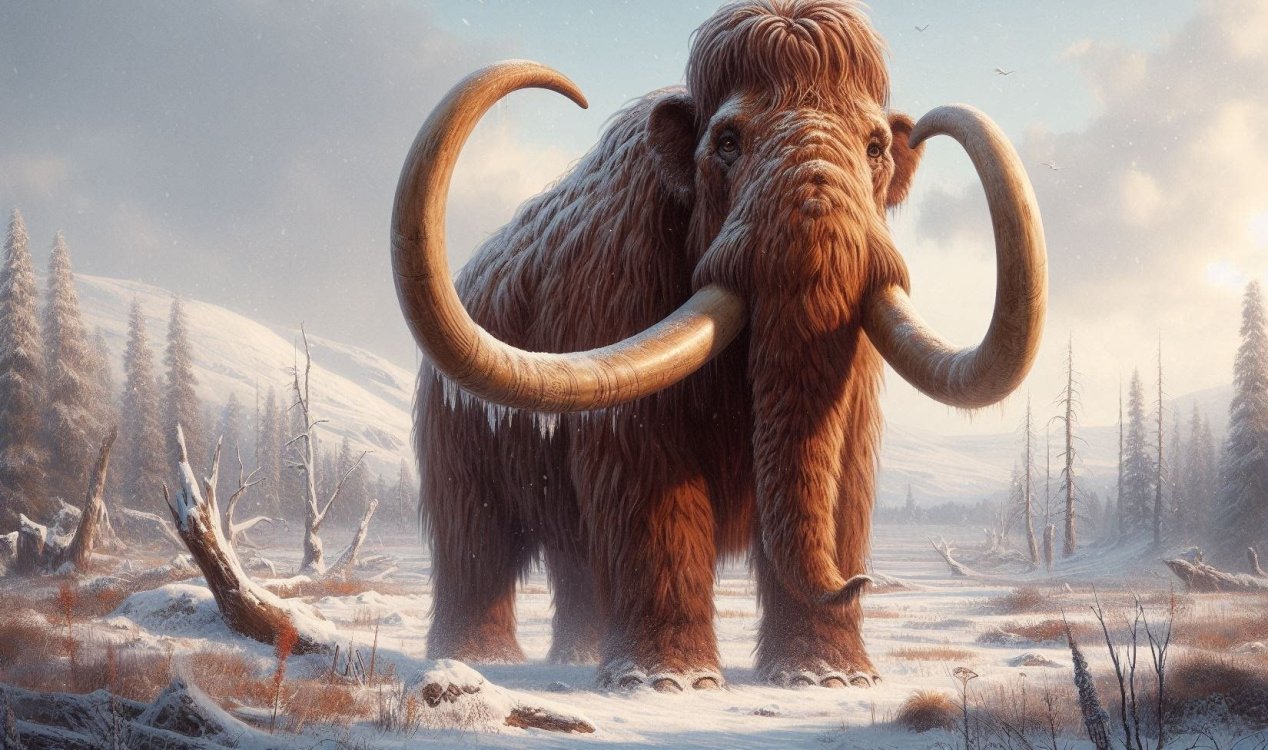
Image: AI-generated (Bing AI / Dall-E 3)
Several firms around the world are currently working on the problem and one of these is Colossal Biosciences - a biotechnology company that aims to achieve de-extinction as soon as 2028.
The firm seems to be making some interesting progress - as evidenced this week by the news that its scientists have succeeded in creating something that puts us one step closer to de-extincting the woolly mammoth: the creation of woolly mice.
The reason for doing this is to validate methods of comparing the genomes of mammoths with today's elephants and finding a way to genome-edit the cells of the latter.
To this end, the team has been able to edit the genes of mice to give them a woolly coat reminiscent of those found on mammoths - a key adaptation for improving resilience to cold temperatures.
To achieve this, they modified nine genes related to hair length, color and thickness.
But while the work is certainly impressive on a technical level, some argue that the money and effort would be better spent on trying to prevent existing species from becoming extinct in the first place.
There's also the problem that doing something like this in elephants will be much more difficult.
"Engineering a mammoth-like elephant presents a far greater challenge: the actual number of genes likely to be involved is far higher, the genes are less well understood - and still need to be identified," said Dr Tori Herridge of the University of Sheffield.
"And the surrogate will be an animal that is not normally experimented upon."
Source: The Guardian
Woolly mammoth de-extinction scientists have created woolly mice
By T.K. RandallMarch 4, 2025
Image: AI-generated (Bing AI / Dall-E 3)
Scientists aiming to bring back the woolly mammoth have modified mice to make them more resistant to the cold.
De-extinction might seem like science fiction right now, but over the next few years we could see the first ever extinct animal (such as a thylacine, mammoth or dodo) being brought back to life.Several firms around the world are currently working on the problem and one of these is Colossal Biosciences - a biotechnology company that aims to achieve de-extinction as soon as 2028.
The firm seems to be making some interesting progress - as evidenced this week by the news that its scientists have succeeded in creating something that puts us one step closer to de-extincting the woolly mammoth: the creation of woolly mice.
The reason for doing this is to validate methods of comparing the genomes of mammoths with today's elephants and finding a way to genome-edit the cells of the latter.
To this end, the team has been able to edit the genes of mice to give them a woolly coat reminiscent of those found on mammoths - a key adaptation for improving resilience to cold temperatures.
But while the work is certainly impressive on a technical level, some argue that the money and effort would be better spent on trying to prevent existing species from becoming extinct in the first place.
There's also the problem that doing something like this in elephants will be much more difficult.
"Engineering a mammoth-like elephant presents a far greater challenge: the actual number of genes likely to be involved is far higher, the genes are less well understood - and still need to be identified," said Dr Tori Herridge of the University of Sheffield.
"And the surrogate will be an animal that is not normally experimented upon."
Source: The Guardian
Similar stories based on this topic:



The Unexplained Mysteries
Book of Weird News
AVAILABLE NOW
Take a walk on the weird side with this compilation of some of the weirdest stories ever to grace the pages of a newspaper.
Click here to learn more

Support us on Patreon
BONUS CONTENTFor less than the cost of a cup of coffee, you can gain access to a wide range of exclusive perks including our popular 'Lost Ghost Stories' series.
Click here to learn more

1 week
2 weeks
3 weeks
1 month


This week
This month
All time
 |
1. | Loch Ness Monster |
|
2. | Electronic Voice Phenomenon |
 |
3. | Pareidolia |
|
4. | Ghost |
|
5. | Orb |
|
6. | Area 51 |
|
7. | Yeti |
|
8. | Spirit Photography (Classic) |
|
9. | Bigfoot |
|
10. | Extraterrestrial |


Top | Home | Forum
News | Columns | Encyclopedia


UM 11.3 Unexplained-Mysteries.com (c) 2001-2026
Terms | Privacy Policy | Cookies | Contact
News | Columns | Encyclopedia
UM 11.3 Unexplained-Mysteries.com (c) 2001-2026
Terms | Privacy Policy | Cookies | Contact