





Science & Technology
September 27, 2023


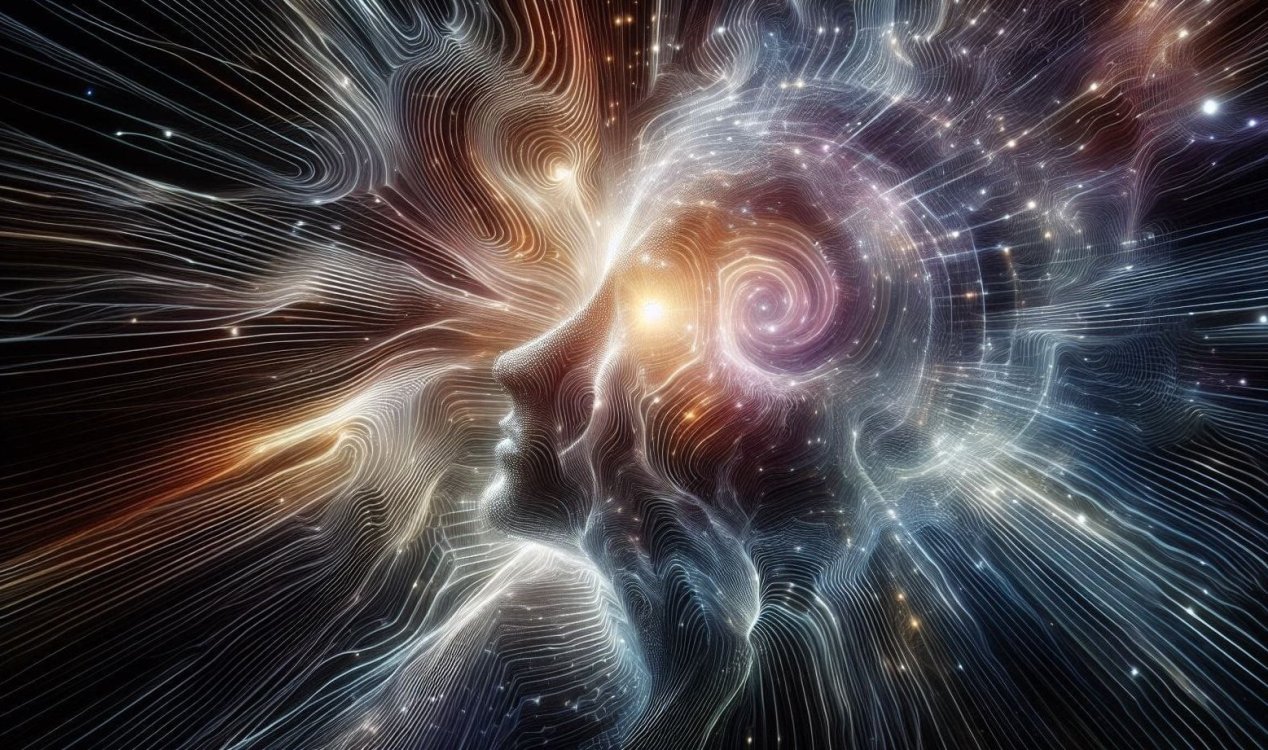
Image: AI-generated (Bing AI / Dall-E 3)
But what exactly is consciousness ? Is it something that our brains produce or can it exist outside of complex, highly-evolved forms of life ? Could consciousness be inherent to all matter ?
This is the question that was at the center of a recent two-day workshop at Marist College in Poughkeepsie, New York which was attended by both philosophers and physicists alike.
Their focus was on panpsychism - the idea that consciousness is not exclusive to the human mind but is in fact a fundamental feature of the universe that pervades throughout the cosmos.
It argues that consciousness is an inherent aspect of reality like mass or electrical charge - something that has always existed and is woven into the very fabric of the universe.
"This doesn't mean that literally everything is conscious," philosopher Philip Goff previously told Scientific American. "The basic commitment is that the fundamental constituents of reality - perhaps electrons and quarks - have incredibly simple forms of experience."
"And the very complex experience of the human or animal brain is somehow derived from the experience of the brain's most basic parts."
In this context, 'experience' is a reference to perceiving the world, either through pleasure or pain, or through seeing, hearing, smelling, touching etc.
"Perhaps, at some point, the light switches off, and consciousness disappears," Goff added.
"But it's at least coherent to suppose that this continuum of consciousness fading while never quite turning off carries on into inorganic matter, with fundamental particles having almost unimaginably simple forms of experience to reflect their incredibly simple nature."
Source: Scientific American
Philosophy meets physics in the quest to understand consciousness
By T.K. RandallSeptember 27, 2023
Image: AI-generated (Bing AI / Dall-E 3)
The nature of consciousness and whether or not it pervades the entire universe has long remained a topic of debate.
We - as in the human race - are conscious, meaning that on a day-to-day basis we perceive a great deal about the world around us. We feel - both physically and emotionally - and can not only ask big questions about our own existence, but also about the nature of existence itself.But what exactly is consciousness ? Is it something that our brains produce or can it exist outside of complex, highly-evolved forms of life ? Could consciousness be inherent to all matter ?
This is the question that was at the center of a recent two-day workshop at Marist College in Poughkeepsie, New York which was attended by both philosophers and physicists alike.
Their focus was on panpsychism - the idea that consciousness is not exclusive to the human mind but is in fact a fundamental feature of the universe that pervades throughout the cosmos.
It argues that consciousness is an inherent aspect of reality like mass or electrical charge - something that has always existed and is woven into the very fabric of the universe.
"And the very complex experience of the human or animal brain is somehow derived from the experience of the brain's most basic parts."
In this context, 'experience' is a reference to perceiving the world, either through pleasure or pain, or through seeing, hearing, smelling, touching etc.
"Perhaps, at some point, the light switches off, and consciousness disappears," Goff added.
"But it's at least coherent to suppose that this continuum of consciousness fading while never quite turning off carries on into inorganic matter, with fundamental particles having almost unimaginably simple forms of experience to reflect their incredibly simple nature."
Source: Scientific American



The Unexplained Mysteries
Book of Weird News
AVAILABLE NOW
Take a walk on the weird side with this compilation of some of the weirdest stories ever to grace the pages of a newspaper.
Click here to learn more

Support us on Patreon
BONUS CONTENTFor less than the cost of a cup of coffee, you can gain access to a wide range of exclusive perks including our popular 'Lost Ghost Stories' series.
Click here to learn more

1 week
2 weeks
3 weeks
1 month


This week
This month
All time
| - | 1. | Pareidolia |
 |
2. | Loch Ness Monster |
|
3. | Ghost |
 |
4. | Electronic Voice Phenomenon |
|
5. | Yeti |
|
6. | Area 51 |
|
7. | Paranormal |
| - | 8. | Spirit Photography (Classic) |
|
9. | Orb |
| - | 10. | Storm Area 51 |


Top | Home | Forum
News | Columns | Encyclopedia


UM 11.3 Unexplained-Mysteries.com (c) 2001-2026
Terms | Privacy Policy | Cookies | Contact
News | Columns | Encyclopedia
UM 11.3 Unexplained-Mysteries.com (c) 2001-2026
Terms | Privacy Policy | Cookies | Contact