





Science & Technology
February 20, 2026


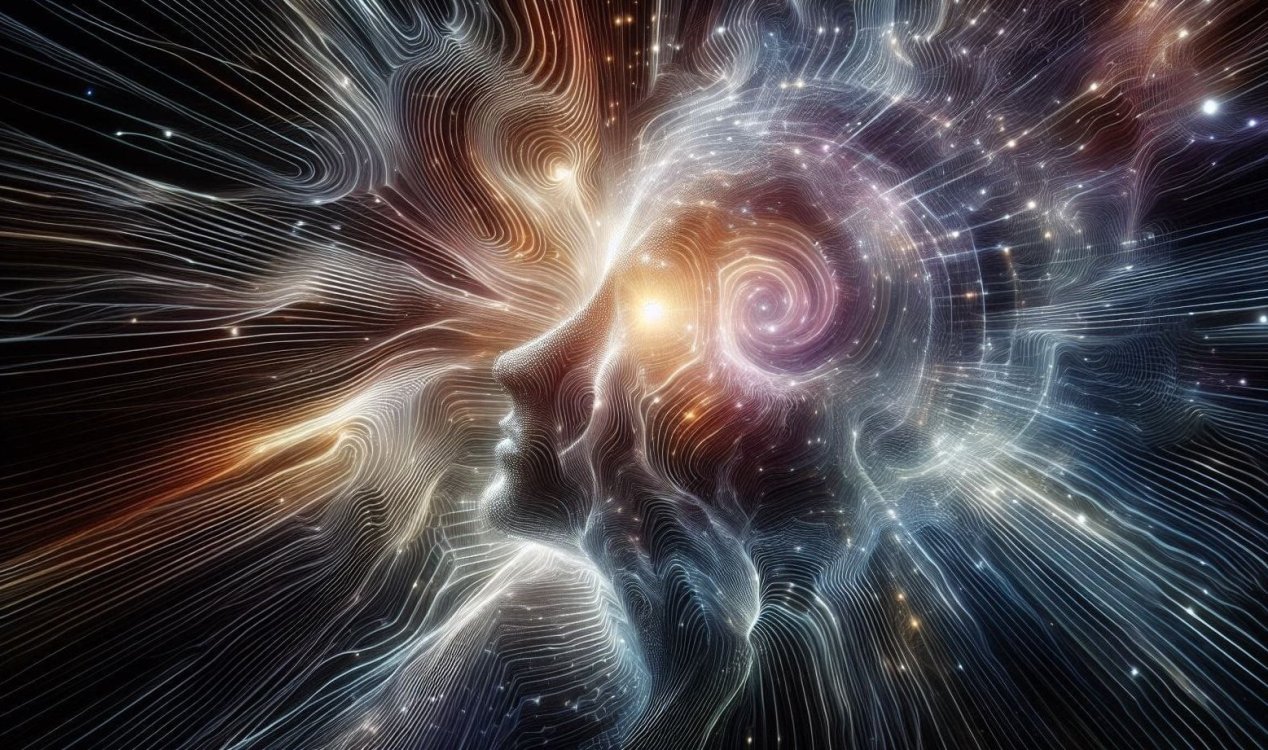
Image: AI-generated (Bing AI / Dall-E 3)
What's more, these structures may actually perform calculations in the quantum realm.
The research adds further credence to the idea that quantum physics may be the underlying mechanism for consciousness - an idea that has been gaining traction in recent years.
It was first proposed back in 1990 by Nobel Prize-winning physicist Roger Penrose who hypothesized that "each time a quantum wave function collapses... in the brain, it gives rise to a moment of conscious experience."
Due to the nature of quantum physics, if this was the answer to how consciousness arises then it could also mean that an individual's consciousness is entangled with other consciousness across the universe, making it a part of a "web" of consciousness spanning the entire of existence.
In other words - we could all be connected on a quantum level, even to civilizations on other worlds.
As things stand, much of this is still unproven, but as an answer to the nature of consciousness, it is certainly one of the more plausible theories.
Whether it will ever be possible to know for sure, however, remains unclear.
Source: Popular Mechanics
Quantum operations in the brain may give rise to consciousness, study finds
By T.K. RandallFebruary 20, 2026
Image: AI-generated (Bing AI / Dall-E 3)
New research into the mechanics of consciousness have revealed fascinating new insights into how it might arise.
The study, which was carried out at Wellesley College in Massachusetts, determined that microscopic hollow tube structures - known as "microtubules" - found deep in the brain may be responsible for giving rise to consciousness in rats and potentially also in humans.What's more, these structures may actually perform calculations in the quantum realm.
The research adds further credence to the idea that quantum physics may be the underlying mechanism for consciousness - an idea that has been gaining traction in recent years.
It was first proposed back in 1990 by Nobel Prize-winning physicist Roger Penrose who hypothesized that "each time a quantum wave function collapses... in the brain, it gives rise to a moment of conscious experience."
In other words - we could all be connected on a quantum level, even to civilizations on other worlds.
As things stand, much of this is still unproven, but as an answer to the nature of consciousness, it is certainly one of the more plausible theories.
Whether it will ever be possible to know for sure, however, remains unclear.
Source: Popular Mechanics
Similar stories based on this topic:



The Unexplained Mysteries
Book of Weird News
AVAILABLE NOW
Take a walk on the weird side with this compilation of some of the weirdest stories ever to grace the pages of a newspaper.
Click here to learn more

Support us on Patreon
BONUS CONTENTFor less than the cost of a cup of coffee, you can gain access to a wide range of exclusive perks including our popular 'Lost Ghost Stories' series.
Click here to learn more

1 week
2 weeks
3 weeks
1 month


This week
This month
All time
 |
1. | Pareidolia |
 |
2. | Loch Ness Monster |
|
3. | Orb |
|
4. | Area 51 |
|
5. | Bigfoot |
|
6. | Spirit Photography (Classic) |
|
7. | Unidentified Flying Object |
|
8. | Electronic Voice Phenomenon |
|
9. | Roswell Incident |
|
10. | Paranormal |


Top | Home | Forum
News | Columns | Encyclopedia


UM 11.3 Unexplained-Mysteries.com (c) 2001-2026
Terms | Privacy Policy | Cookies | Contact
News | Columns | Encyclopedia
UM 11.3 Unexplained-Mysteries.com (c) 2001-2026
Terms | Privacy Policy | Cookies | Contact