





Science & Technology
March 4, 2026


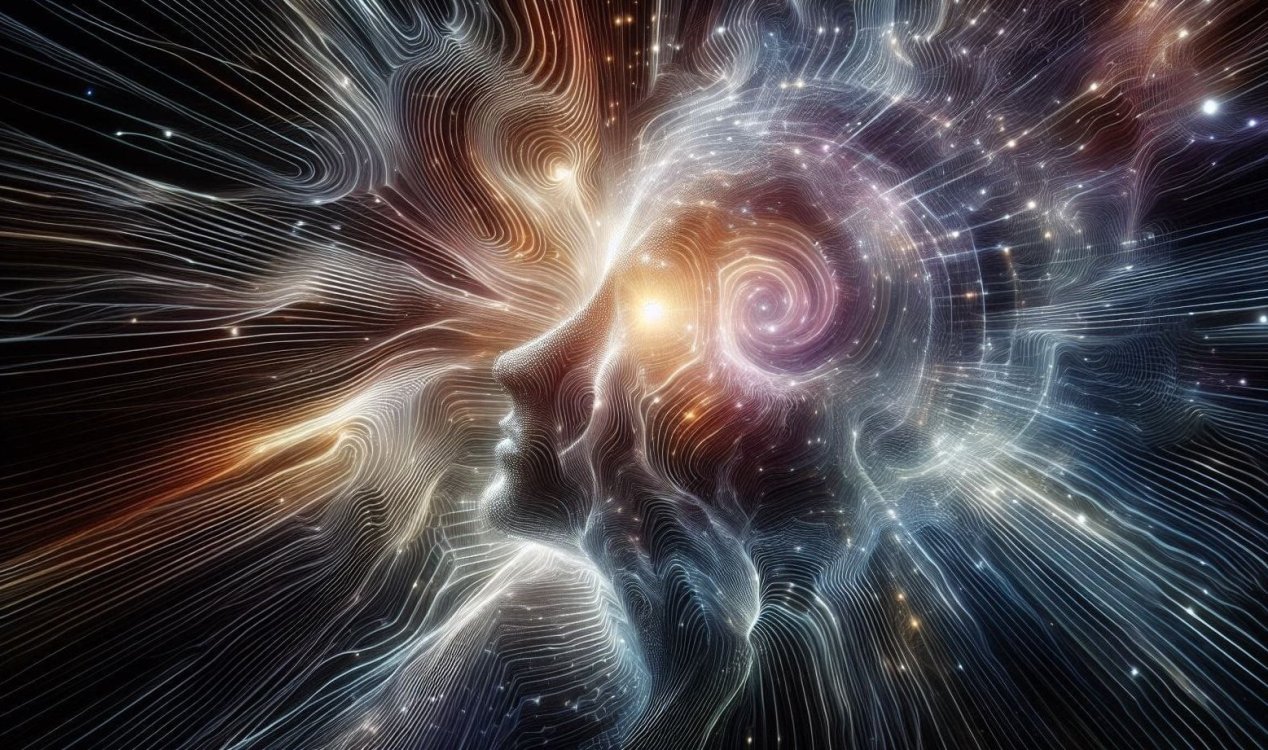
Image: AI-generated (Bing AI / Dall-E 3)
While the traditional view has long been that consciousness arises from the physical brain, scientists have been putting forward all manner of alternative theories in recent years.
According to Maria Stromme, Professor of Materials Science at Uppsala University, consciousness might not simply arise from the brain but may in fact be the fundamental basis for reality itself - a pervading 'field' of which our individual minds are mere expressions.
Everything else, such as matter, space and time, arise from it; in other words - consciousness is the most basic and fundamental building block from which everything else comes.
We reported on Stromme's work last year after she suggested that this idea of consciousness could actually explain paranormal and psychic phenomena.
"My ambition has been to describe this using the language of physics and mathematical tools," she said.
"Are these phenomena really mystical? Or is it simply that there is a discovery we have not yet made, and when we do it will lead to a paradigm shift?"
Stromme's theory even seems to align with the beliefs of various major religions.
"The texts of the major religions - such as the Bible, the Koran, and the Vedas - often describe an interconnected consciousness," she said.
"Those who wrote them used metaphorical language to express insights about the nature of reality."
Source: Sci Tech Daily
Consciousness is the fundamental basis of reality, physicist claims
By T.K. RandallMarch 4, 2026
Image: AI-generated (Bing AI / Dall-E 3)
What if consciousness didn't simply arise from the physical brain, but was instead the basis of reality itself ?
Exactly how consciousness works has long remained one of the biggest philosophical and scientific problems of our time - it's a question of not only how our own minds works, but one that is perhaps also integral to the very nature of reality and the universe itself.While the traditional view has long been that consciousness arises from the physical brain, scientists have been putting forward all manner of alternative theories in recent years.
According to Maria Stromme, Professor of Materials Science at Uppsala University, consciousness might not simply arise from the brain but may in fact be the fundamental basis for reality itself - a pervading 'field' of which our individual minds are mere expressions.
Everything else, such as matter, space and time, arise from it; in other words - consciousness is the most basic and fundamental building block from which everything else comes.
We reported on Stromme's work last year after she suggested that this idea of consciousness could actually explain paranormal and psychic phenomena.
"Are these phenomena really mystical? Or is it simply that there is a discovery we have not yet made, and when we do it will lead to a paradigm shift?"
Stromme's theory even seems to align with the beliefs of various major religions.
"The texts of the major religions - such as the Bible, the Koran, and the Vedas - often describe an interconnected consciousness," she said.
"Those who wrote them used metaphorical language to express insights about the nature of reality."
Source: Sci Tech Daily
Similar stories based on this topic:


The Unexplained Mysteries
Book of Weird News
AVAILABLE NOW
Take a walk on the weird side with this compilation of some of the weirdest stories ever to grace the pages of a newspaper.
Click here to learn more
Support us on Patreon
BONUS CONTENTFor less than the cost of a cup of coffee, you can gain access to a wide range of exclusive perks including our popular 'Lost Ghost Stories' series.
Click here to learn more

1 week
2 weeks
3 weeks
1 month


This week
This month
All time
 |
1. | Loch Ness Monster |
 |
2. | Electronic Voice Phenomenon |
|
3. | Pareidolia |
| - | 4. | Area 51 |
| - | 5. | Phoenix Lights |
| - | 6. | Orb |
| - | 7. | Bigfoot |
| - | 8. | Stanton Friedman |
| - | 9. | Ghost |
|
10. | Storm Area 51 |


Top | Home | Forum
News | Columns | Encyclopedia


UM 11.3 Unexplained-Mysteries.com (c) 2001-2026
Terms | Privacy Policy | Cookies | Contact
News | Columns | Encyclopedia
UM 11.3 Unexplained-Mysteries.com (c) 2001-2026
Terms | Privacy Policy | Cookies | Contact