





Neanderthal-built stone rings found in cave
May 25, 2016Remarkable prehistoric structures made from stalagmites have been discovered inside a cave in France.
Humans lived in America earlier than thought
May 16, 2016New evidence has pushed the arrival of the first humans in the Americas back more than 1,500 years.
Scientists find first ever fossilized heart
VIDEO Apr 20, 2016The fossil organ was discovered inside the remains of a fish specimen dating back 119 million years.

Dinosaurs 'in decline' before asteroid strike
VIDEO Apr 19, 2016A new study has suggested that the dinosaurs had already been dying out long before the asteroid hit.
Deep-sea creatures survived the apocalypse
Apr 17, 2016Scientists have determined how deep-sea creatures survived the asteroid impact that killed the dinosaurs.
Did human diseases doom the Neanderthals ?
Apr 15, 2016Recent studies have suggested that diseases carried by modern humans may have proven catastrophic.

Prehistoric snakeskin shows signs of color
Apr 2, 2016Scientists have been able to determine the skin color of a snake that lived over 10 million years ago.

Did competition for food wipe out Megalodon ?
Apr 1, 2016The largest shark that ever lived may have been driven to extinction by competition from other predators.
Were the 'hobbits' wiped out by modern man ?
Mar 30, 2016New evidence has indicated that Homo floresiensis may have died out shortly after homo sapiens arrived.

Prehistoric 'unicorn' lived alongside humans
Mar 24, 2016A large horned beast known as the 'Siberian unicorn' could be the origin of the modern unicorn legend.

Mystery of the Tully Monster has been solved
VIDEO Mar 19, 2016This outlandish prehistoric creature had left scientists scratching their heads for over 50 years.
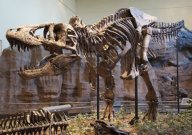
Pregnant Tyrannosaurus rex could contain DNA
Mar 16, 2016A recently discovered fossil could contain what scientists have been seeking for years: dinosaur DNA.
Tyrannosaurus rex 'missing link' revealed
Mar 15, 2016Paleontologists have identified a new species of dinosaur from a missing period in T. rex evolution.
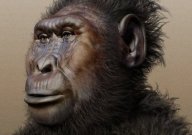
How did our ancestors consume raw meat ?
Mar 10, 2016Raw meat is notoriously difficult to chew, so how did our prehistoric ancestors manage to do it ?
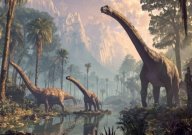
Major Jurassic fossil site found in Argentina
Mar 1, 2016Paleontologists have revealed the discovery of one of the world's largest ever Jurassic fossil sites.
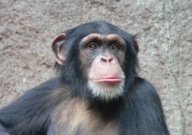
Chimpanzee 'Adam' lived one million years ago
Feb 28, 2016Scientists have determined that chimpanzees descended from a common ancestor that predated humans.
Australia's early lions hunted from trees
Feb 16, 2016A species of prehistoric marsupial lion was able to climb up trees and ambush its prey from above.

Giant bird had a head the size of a horse's
Feb 13, 2016A huge flightless bird called Gastornis is thought to have once roamed what is now the Arctic Circle.
Prehistoric 'butterfly' fossils discovered
Feb 12, 2016A type of insect that looked very much like a modern butterfly was common during the Jurassic period.
Ancient 500-pound bird was eaten by humans
Jan 30, 2016New evidence suggests that Genyornis newtoni was wiped out because it was tasty and easy to catch.



News | Columns | Encyclopedia


UM 11.3 Unexplained-Mysteries.com (c) 2001-2026
Terms | Privacy Policy | Cookies | Contact