





Science & Technology
September 2, 2018


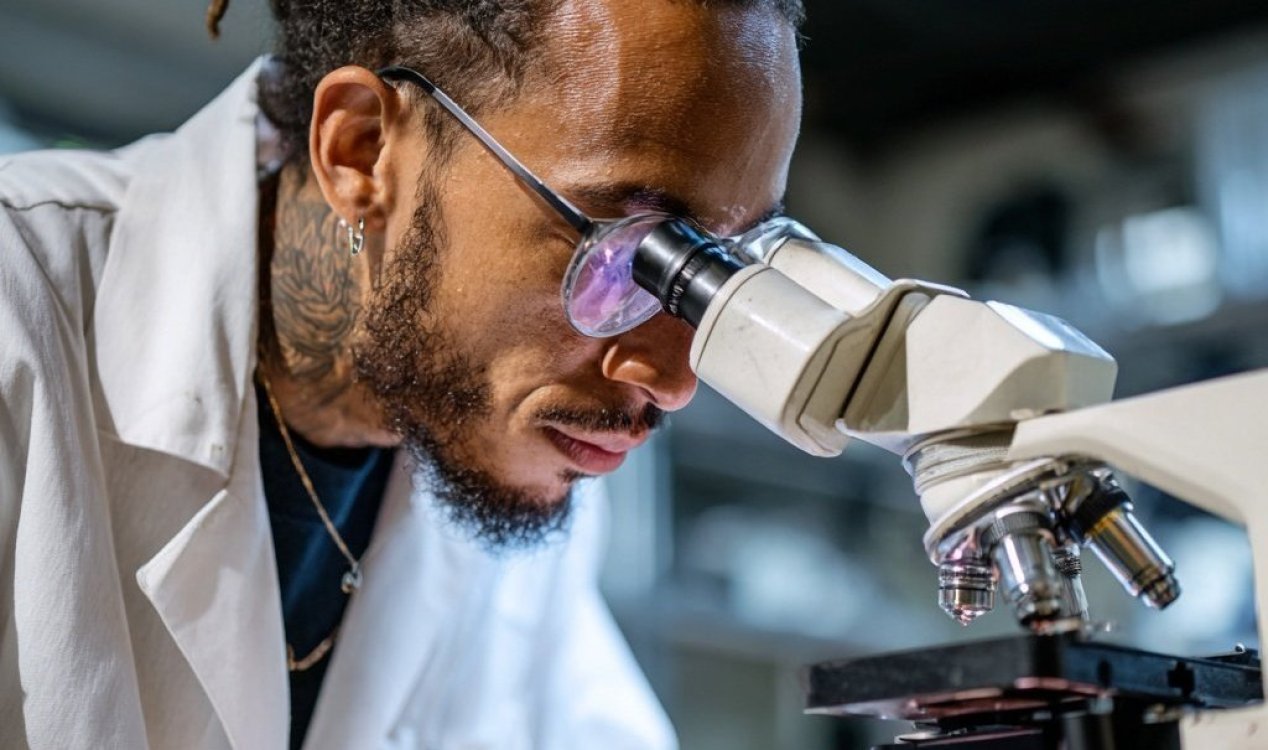
Image: AI-generated (Midjourney)
In addition to extending human life, the technique also has the potential to regenerate organs, cure paralysis and even make older people fertile again.
The treatment, which could cost as little as the price of a cup of coffee per day, is estimated to become available to the general public within as little as five years.
The key to its effectiveness lies in the molecule nicotinamide adenine dinucleotide (NAD), which is already used today to help treat patients with Parkinson's Disease.
According to Professor Sinclair however, the research still needs to undergo testing and peer review.
"We do not recommend people go out and take NAD precursors as they have not yet formally tested for safety," he said.
It is expected that human testing of the new treatment will begin within the next two years or so.
Whether it is really as effective as claimed however remains to be seen.
Source: Weekly Observer
New technique could see humans live to 150
By T.K. RandallSeptember 2, 2018
Image: AI-generated (Midjourney)
A revolutionary new regenerative treatment that can extend human life could begin clinical trials by 2020.
Developed by Harvard Professor David Sinclair and colleagues at the University of New South Wales, the process involves regenerating the human body by reprogramming its cells.In addition to extending human life, the technique also has the potential to regenerate organs, cure paralysis and even make older people fertile again.
The treatment, which could cost as little as the price of a cup of coffee per day, is estimated to become available to the general public within as little as five years.
The key to its effectiveness lies in the molecule nicotinamide adenine dinucleotide (NAD), which is already used today to help treat patients with Parkinson's Disease.
"We do not recommend people go out and take NAD precursors as they have not yet formally tested for safety," he said.
It is expected that human testing of the new treatment will begin within the next two years or so.
Whether it is really as effective as claimed however remains to be seen.
Source: Weekly Observer
Similar stories based on this topic:



The Unexplained Mysteries
Book of Weird News
AVAILABLE NOW
Take a walk on the weird side with this compilation of some of the weirdest stories ever to grace the pages of a newspaper.
Click here to learn more

Support us on Patreon
BONUS CONTENTFor less than the cost of a cup of coffee, you can gain access to a wide range of exclusive perks including our popular 'Lost Ghost Stories' series.
Click here to learn more

1 week
2 weeks
3 weeks
1 month


This week
This month
All time
 |
1. | Spirit Photography (Classic) |
|
2. | Roswell Incident |
 |
3. | Electronic Voice Phenomenon |
|
4. | Pareidolia |
|
5. | Paranormal |
|
6. | Area 51 |
|
7. | Orb |
|
8. | Yeti |
| - | 9. | Bigfoot |
|
10. | Ghost |


Top | Home | Forum
News | Columns | Encyclopedia


UM 11.3 Unexplained-Mysteries.com (c) 2001-2026
Terms | Privacy Policy | Cookies | Contact
News | Columns | Encyclopedia
UM 11.3 Unexplained-Mysteries.com (c) 2001-2026
Terms | Privacy Policy | Cookies | Contact