





Science & Technology
January 6, 2019


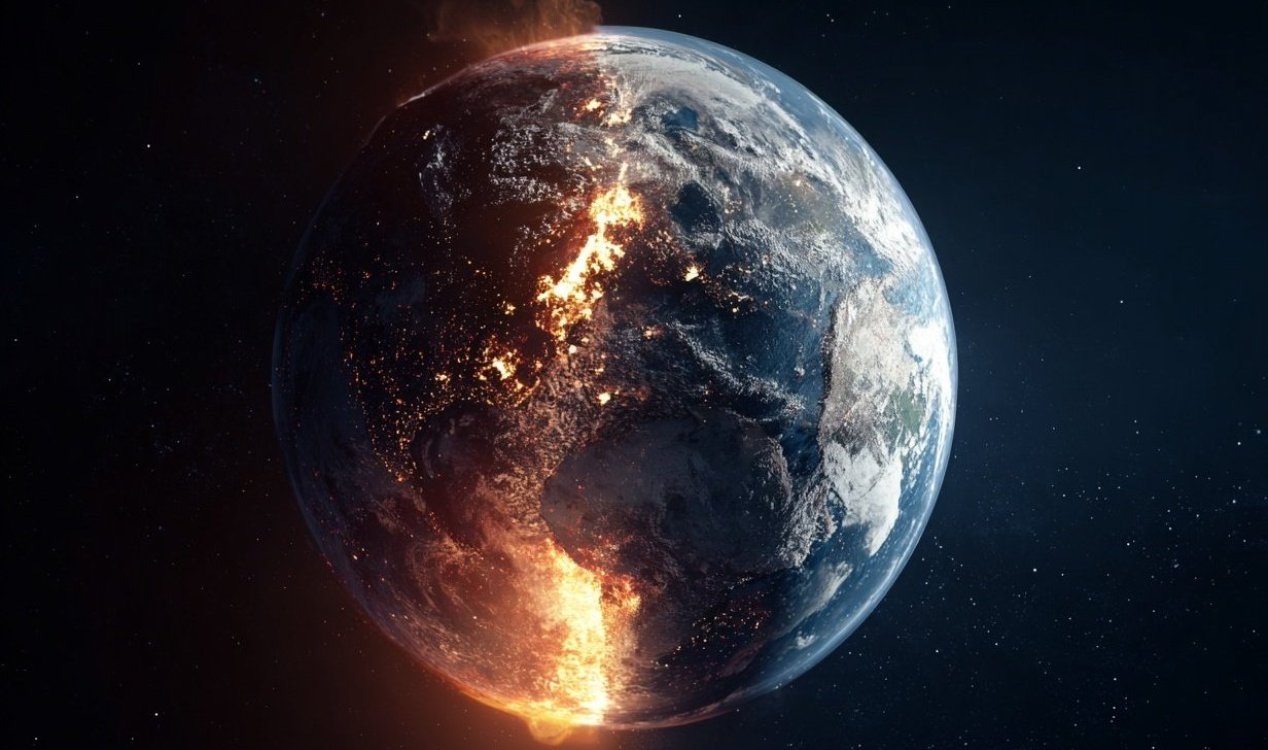
Image: AI-generated (Midjourney)
In other words - it takes a surprisingly long time for the surface water to circulate to the lowest depths.
Because of this, the effects of a cold period known as the Little Ice Age, which began around 700 years ago, have only now managed to filter their way to the bottom.
"These waters are so old and haven't been near the surface in so long, they still 'remember' what was going on hundreds of years ago when Europe experienced some of its coldest winters in history," said study lead author and physical oceanographer Jake Gebbie.
It is believed that during the 20th century, the depths of the Pacific cooled by somewhere between 0.02 and 0.08 degrees Celsius despite the effects of climate change.
The cooling effect of the Little Ice Age however won't be enough to offset modern global warming.
Source: Tech Times
Pacific depths still cooling due to 'Little Ice Age'
By T.K. RandallJanuary 6, 2019
Image: AI-generated (Midjourney)
Despite global warming, the bottom of the Pacific Ocean is still cooling thanks to a centuries-old cold spell.
In a new study, researchers from Harvard University and the Woods Hole Oceanographic Institution have revealed that the temperature changes found in the depths of the Pacific appear to be lagging behind those found nearer to the surface by several hundred years.In other words - it takes a surprisingly long time for the surface water to circulate to the lowest depths.
Because of this, the effects of a cold period known as the Little Ice Age, which began around 700 years ago, have only now managed to filter their way to the bottom.
It is believed that during the 20th century, the depths of the Pacific cooled by somewhere between 0.02 and 0.08 degrees Celsius despite the effects of climate change.
The cooling effect of the Little Ice Age however won't be enough to offset modern global warming.
Source: Tech Times
Similar stories based on this topic:



The Unexplained Mysteries
Book of Weird News
AVAILABLE NOW
Take a walk on the weird side with this compilation of some of the weirdest stories ever to grace the pages of a newspaper.
Click here to learn more

Support us on Patreon
BONUS CONTENTFor less than the cost of a cup of coffee, you can gain access to a wide range of exclusive perks including our popular 'Lost Ghost Stories' series.
Click here to learn more

1 week
2 weeks
3 weeks
1 month


This week
This month
All time
 |
1. | Loch Ness Monster |
|
2. | Electronic Voice Phenomenon |
 |
3. | Pareidolia |
|
4. | Ghost |
|
5. | Orb |
|
6. | Area 51 |
|
7. | Yeti |
|
8. | Spirit Photography (Classic) |
|
9. | Bigfoot |
|
10. | Extraterrestrial |


Top | Home | Forum
News | Columns | Encyclopedia


UM 11.3 Unexplained-Mysteries.com (c) 2001-2026
Terms | Privacy Policy | Cookies | Contact
News | Columns | Encyclopedia
UM 11.3 Unexplained-Mysteries.com (c) 2001-2026
Terms | Privacy Policy | Cookies | Contact