





Space & Astronomy
April 22, 2026


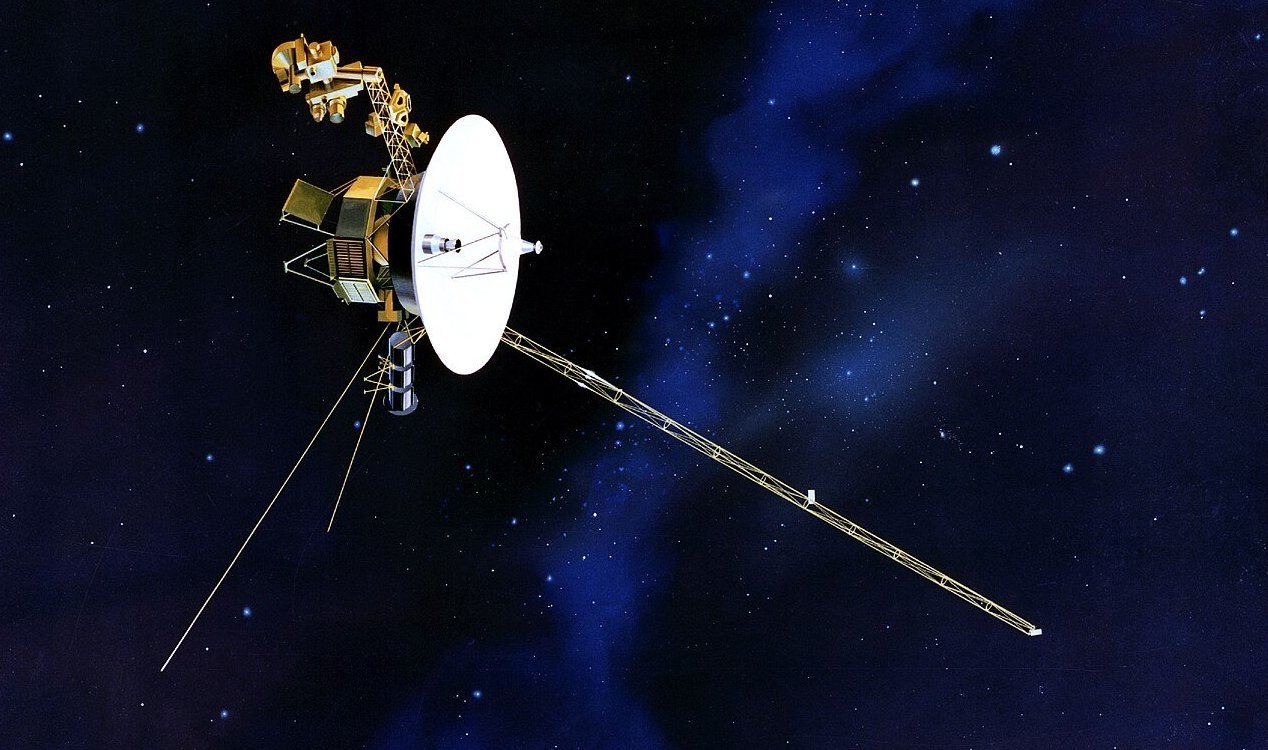
Image: Artist's Concept of Voyager 1 (1990)
Credit: NASA/JPL / (PD)
Both spacecraft are powered by a radioisotope thermoelectric generator which essentially converts the heat from decaying plutonium into electrical power.
This power source, however, won't last forever - both Voyager 1 and 2 are losing around 4 watts of power per year, meaning that the available electricity to keep their systems going is limited.
In the latest move to keep Voyager 1 from shutting down, NASA has taken the decision to disable one of its three primary science instruments - the Low-energy Charged Particles experiment (LECP).
This device measures low-energy charged particles and has recorded a wealth of data over the years - information that wouldn't be possible to obtain from anywhere else.
"While shutting down a science instrument is not anybody's preference, it is the best option available," said Voyager mission manager Kareem Badaruddin.
"Voyager 1 still has two remaining operating science instruments - one that listens to plasma waves and one that measures magnetic fields. They are still working great, sending back data from a region of space no other human-made craft has ever explored."
"The team remains focused on keeping both Voyagers going for as long as possible."
Source: NASA.gov
NASA shuts down Voyager 1 science instrument to conserve power
By T.K. RandallApril 22, 2026
Image: Artist's Concept of Voyager 1 (1990)
Credit: NASA/JPL / (PD)
The most distant man-manned object in the universe is still going - but it needs a bit of help to stay functional.
Launched in 1977, both Voyager 1 and Voyager 2 have traveled further from the Earth than any other man-made object in history and remain operational despite almost 50 years of traveling through space.
Both spacecraft are powered by a radioisotope thermoelectric generator which essentially converts the heat from decaying plutonium into electrical power.
This power source, however, won't last forever - both Voyager 1 and 2 are losing around 4 watts of power per year, meaning that the available electricity to keep their systems going is limited.
In the latest move to keep Voyager 1 from shutting down, NASA has taken the decision to disable one of its three primary science instruments - the Low-energy Charged Particles experiment (LECP).
"While shutting down a science instrument is not anybody's preference, it is the best option available," said Voyager mission manager Kareem Badaruddin.
"Voyager 1 still has two remaining operating science instruments - one that listens to plasma waves and one that measures magnetic fields. They are still working great, sending back data from a region of space no other human-made craft has ever explored."
"The team remains focused on keeping both Voyagers going for as long as possible."
Source: NASA.gov
Similar stories based on this topic:



The Unexplained Mysteries
Book of Weird News
AVAILABLE NOW
Take a walk on the weird side with this compilation of some of the weirdest stories ever to grace the pages of a newspaper.
Click here to learn more

Support us on Patreon
BONUS CONTENTFor less than the cost of a cup of coffee, you can gain access to a wide range of exclusive perks including our popular 'Lost Ghost Stories' series.
Click here to learn more

1 week
2 weeks
3 weeks
1 month


This week
This month
All time
 |
1. | Pareidolia |
 |
2. | Electronic Voice Phenomenon |
|
3. | Yeti |
|
4. | Paranormal |
|
5. | Loch Ness Monster |
| - | 6. | Orb |
|
7. | Area 51 |
|
8. | Spirit Photography (Classic) |
|
9. | Ghost |
|
10. | Storm Area 51 |


Top | Home | Forum
News | Columns | Encyclopedia


UM 11.3 Unexplained-Mysteries.com (c) 2001-2026
Terms | Privacy Policy | Cookies | Contact
News | Columns | Encyclopedia
UM 11.3 Unexplained-Mysteries.com (c) 2001-2026
Terms | Privacy Policy | Cookies | Contact