





Palaeontology
June 6, 2026


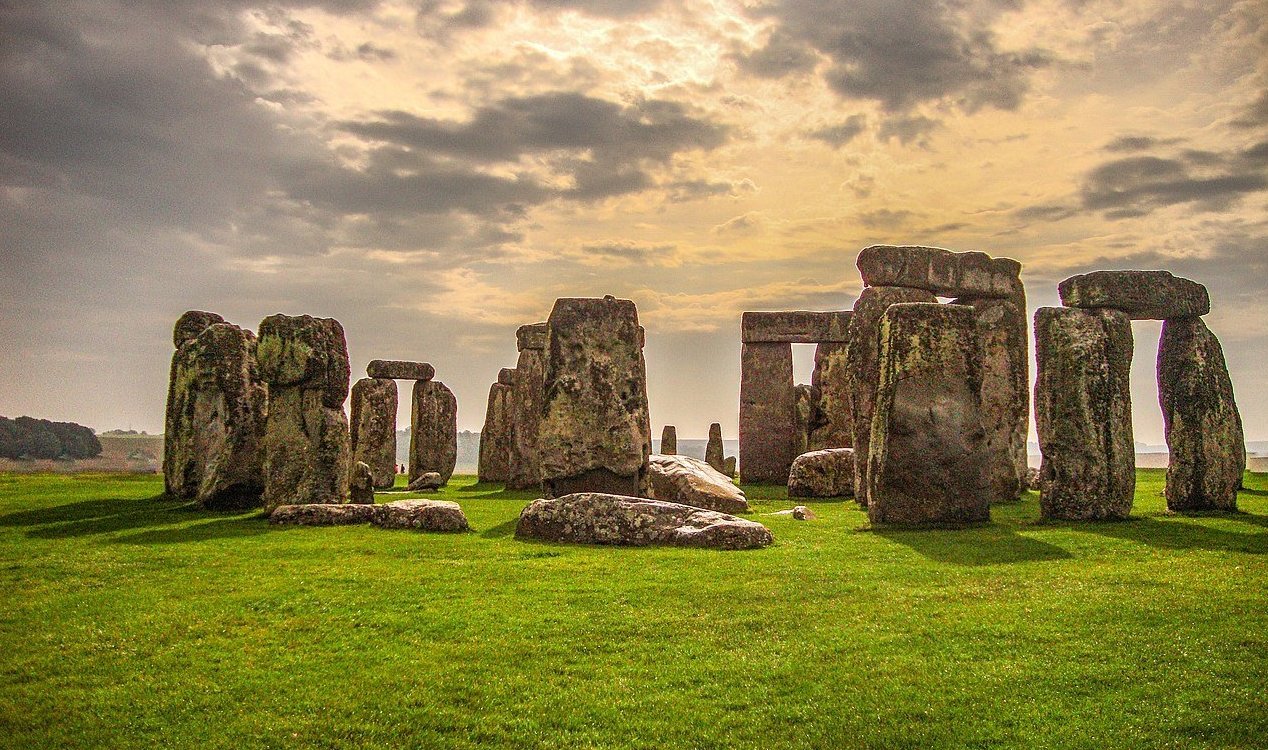
Image: Stonehenge, Wiltshire
Credit: Udit Kapoor / CC BY-SA 4.0 (adapted)
One mystery in particular, however, has remained of particular interest - that of how the monument's altar stone actually made it all the way from the Orcadian Basin of north-east Scotland to Salisbury.
Now, though, a new study has highlighted a possible way that this huge stone could have got there.
According to researchers, the stone may have been carried by a glacier to Doggerland - a long-submerged region that lies off the coast of what is now south-east England.
Once it was there, it may have actually served as a ceremonial object long before becoming a part of Stonehenge.
When the ice began to melt and sea levels started to rise at the end of the Ice Age, the people of the time may have decided to move it to higher ground.
This, in turn, would have eventually seen it moved to its current resting place in Salisbury.
"Our research gives a new plausible explanation for part of the journey to Salisbury Plain," said study co-author Dr Remy Veness.
"It's really interesting to consider that the construction of Stonehenge might have started as a result of climate-induced migration."
Source: BBC News
Mystery of Stonehenge's altar stone may have finally been solved
By T.K. RandallJune 6, 2026
Image: Stonehenge, Wiltshire
Credit: Udit Kapoor / CC BY-SA 4.0 (adapted)
Exactly how the huge stone, which originated in Scotland, actually got to Wiltshire has long remained a mystery.
One of the world's most studied and debated Neolithic monuments, Stonehenge - with its iconic standing stones - remains a testament to a people long lost to the annals of history.One mystery in particular, however, has remained of particular interest - that of how the monument's altar stone actually made it all the way from the Orcadian Basin of north-east Scotland to Salisbury.
Now, though, a new study has highlighted a possible way that this huge stone could have got there.
According to researchers, the stone may have been carried by a glacier to Doggerland - a long-submerged region that lies off the coast of what is now south-east England.
When the ice began to melt and sea levels started to rise at the end of the Ice Age, the people of the time may have decided to move it to higher ground.
This, in turn, would have eventually seen it moved to its current resting place in Salisbury.
"Our research gives a new plausible explanation for part of the journey to Salisbury Plain," said study co-author Dr Remy Veness.
"It's really interesting to consider that the construction of Stonehenge might have started as a result of climate-induced migration."
Source: BBC News
Similar stories based on this topic:



The Unexplained Mysteries
Book of Weird News
AVAILABLE NOW
Take a walk on the weird side with this compilation of some of the weirdest stories ever to grace the pages of a newspaper.
Click here to learn more

Support us on Patreon
BONUS CONTENTFor less than the cost of a cup of coffee, you can gain access to a wide range of exclusive perks including our popular 'Lost Ghost Stories' series.
Click here to learn more

1 week
2 weeks
3 weeks
1 month


This week
This month
All time
 |
1. | Pareidolia |
 |
2. | Loch Ness Monster |
|
3. | Area 51 |
| - | 4. | Orb |
|
5. | Spirit Photography (Classic) |
|
6. | Bigfoot |
|
7. | Unidentified Flying Object |
|
8. | Electronic Voice Phenomenon |
|
9. | Roswell Incident |
|
10. | Paranormal |


Top | Home | Forum
News | Columns | Encyclopedia


UM 11.3 Unexplained-Mysteries.com (c) 2001-2026
Terms | Privacy Policy | Cookies | Contact
News | Columns | Encyclopedia
UM 11.3 Unexplained-Mysteries.com (c) 2001-2026
Terms | Privacy Policy | Cookies | Contact