





Space & Astronomy
September 14, 2015


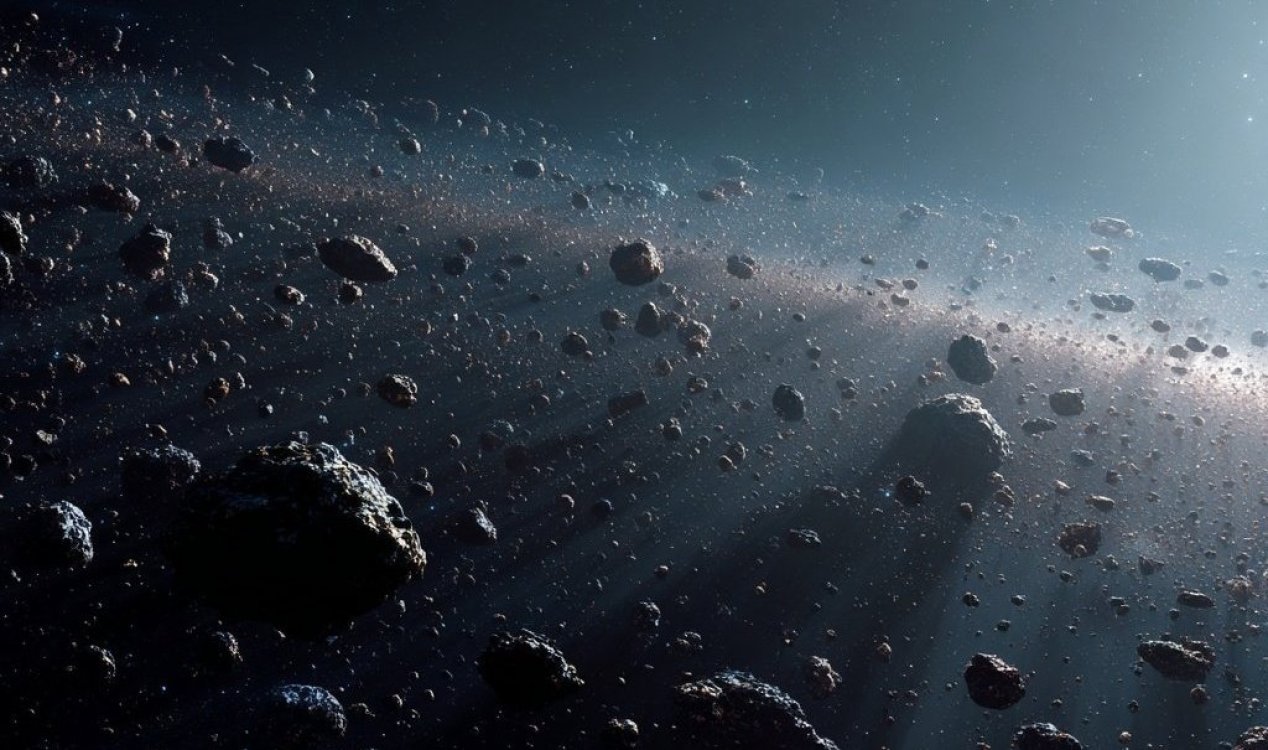
Image: AI-generated (Midjourney)
The largest of the two craters, which measures 4.7 miles across, is located to the south of the city of Östersund while the second, which measures half a mile wide, is situated a short distance from it.
"Around 470 million years ago, two large asteroids collided in the asteroid belt between Mars and Jupiter, and many fragments were thrown off in new orbits," said geologist Erik Sturkell.
"Many of these crashed on Earth, such as these two in Jämtland."
The discovery of the craters is important because this is the first time that scientists have ever been able to conclusively prove that two impacts had occurred at the same time.
"Information from drilling operations demonstrates that identical sequences are present in the two craters, and the sediment above the impact sequences is of the same age," said Sturkell.
"In other words, these are simultaneous impacts."
Source: Gizmodo
Sweden was hit by a double meteor strike
By T.K. RandallSeptember 14, 2015
Image: AI-generated (Midjourney)
Two huge meteors simultaneously slammed in to what is now Sweden roughly 468 million years ago.
The rare double impact event occurred during a period of intense bombardment brought about by a violent collision in the asteroid belt between Mars and Jupiter.The largest of the two craters, which measures 4.7 miles across, is located to the south of the city of Östersund while the second, which measures half a mile wide, is situated a short distance from it.
"Around 470 million years ago, two large asteroids collided in the asteroid belt between Mars and Jupiter, and many fragments were thrown off in new orbits," said geologist Erik Sturkell.
The discovery of the craters is important because this is the first time that scientists have ever been able to conclusively prove that two impacts had occurred at the same time.
"Information from drilling operations demonstrates that identical sequences are present in the two craters, and the sediment above the impact sequences is of the same age," said Sturkell.
"In other words, these are simultaneous impacts."
Source: Gizmodo
Similar stories based on this topic:



The Unexplained Mysteries
Book of Weird News
AVAILABLE NOW
Take a walk on the weird side with this compilation of some of the weirdest stories ever to grace the pages of a newspaper.
Click here to learn more

Support us on Patreon
BONUS CONTENTFor less than the cost of a cup of coffee, you can gain access to a wide range of exclusive perks including our popular 'Lost Ghost Stories' series.
Click here to learn more

1 week
2 weeks
3 weeks
1 month


This week
This month
All time
| - | 1. | Pareidolia |
 |
2. | Loch Ness Monster |
|
3. | Ghost |
 |
4. | Yeti |
|
5. | Electronic Voice Phenomenon |
|
6. | Area 51 |
|
7. | Paranormal |
| - | 8. | Spirit Photography (Classic) |
|
9. | Orb |
| - | 10. | Storm Area 51 |


Top | Home | Forum
News | Columns | Encyclopedia


UM 11.3 Unexplained-Mysteries.com (c) 2001-2026
Terms | Privacy Policy | Cookies | Contact
News | Columns | Encyclopedia
UM 11.3 Unexplained-Mysteries.com (c) 2001-2026
Terms | Privacy Policy | Cookies | Contact