





Archaeology & History
July 9, 2025


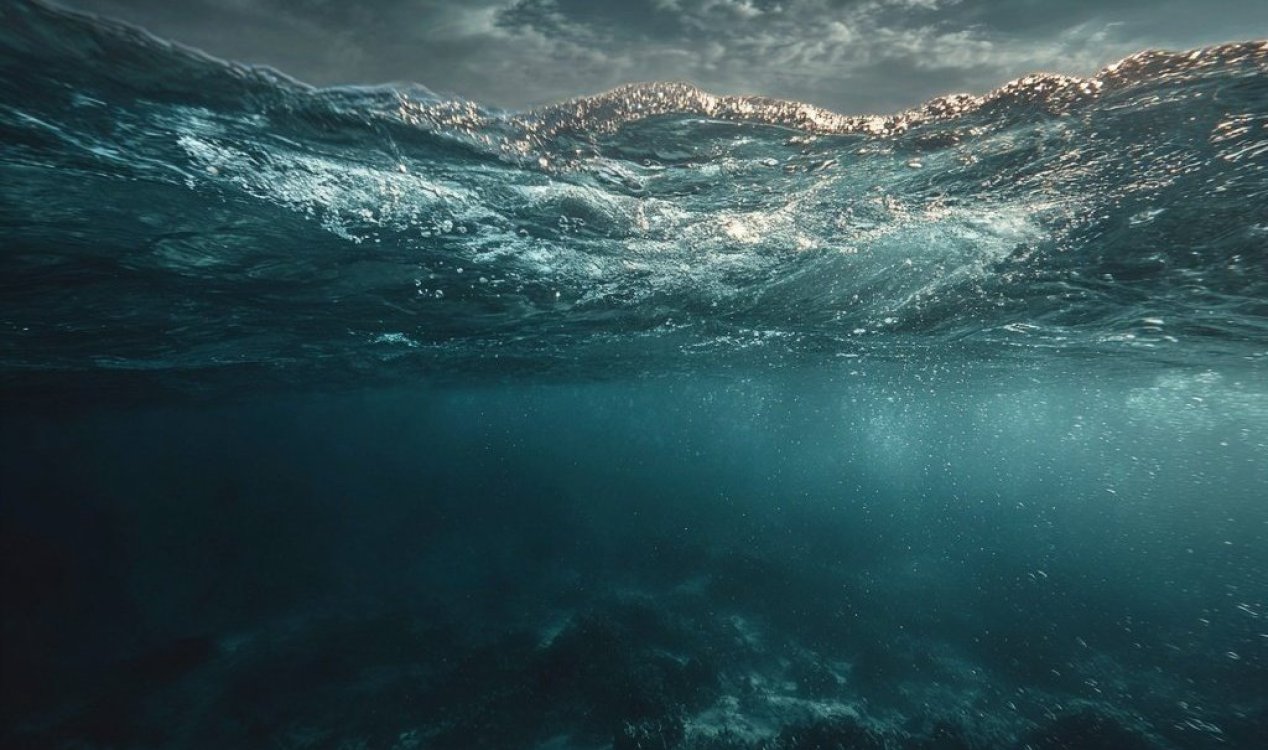
Image: AI-generated (Midjourney)
Its ruins remained in place until 1480, when they were repurposed to build the Citadel of Qaitbay.
This would seem to have been the end of the lighthouse's story, but then in 1994, a group of French archaeologists discovered some of the blocks that had made up the main structure at the bottom of Alexandria's Eastern Harbor.
Now, as part of an ongoing archaeological project, some of these blocks have been brought back up to the surface so that they can be comprehensively catalogued using 3D computer scans.
Researchers will then use the data to build up a virtual replica of the lighthouse so that they can determine exactly which weaknesses caused the original structure to collapse all those years ago.
Among the stone blocks hauled up from the seabed are those belonging to the lighthouse's huge entranceway as well as some of its foundational supports.
Each one weighs around 80 tons.
Even this, however, represents only a fraction of the structure as there remain over 3,300 objects scattered across the floor of the harbor that were once part of the lighthouse.
Bringing the building back to life - even if only digitally - will give people the clearest picture yet of what standing in the presence of this long-lost ancient wonder was actually like.
Source: Archaeology Magazine
Part of the Lighthouse of Alexandria has been raised from the seabed
By T.K. RandallJuly 9, 2025
Image: AI-generated (Midjourney)
Stones from one of the wonders of the ancient world have been retrieved from the bottom of the Mediterranean.
Originally built by the Ptolemaic Kingdom of Egypt over 2,000 years ago, the Lighthouse of Alexandra - one of the seven wonders of the ancient world - was thought to be over 100 meters tall and stood for centuries until it was badly damaged by a series of earthquakes.Its ruins remained in place until 1480, when they were repurposed to build the Citadel of Qaitbay.
This would seem to have been the end of the lighthouse's story, but then in 1994, a group of French archaeologists discovered some of the blocks that had made up the main structure at the bottom of Alexandria's Eastern Harbor.
Now, as part of an ongoing archaeological project, some of these blocks have been brought back up to the surface so that they can be comprehensively catalogued using 3D computer scans.
Among the stone blocks hauled up from the seabed are those belonging to the lighthouse's huge entranceway as well as some of its foundational supports.
Each one weighs around 80 tons.
Even this, however, represents only a fraction of the structure as there remain over 3,300 objects scattered across the floor of the harbor that were once part of the lighthouse.
Bringing the building back to life - even if only digitally - will give people the clearest picture yet of what standing in the presence of this long-lost ancient wonder was actually like.
Source: Archaeology Magazine



The Unexplained Mysteries
Book of Weird News
AVAILABLE NOW
Take a walk on the weird side with this compilation of some of the weirdest stories ever to grace the pages of a newspaper.
Click here to learn more

Support us on Patreon
BONUS CONTENTFor less than the cost of a cup of coffee, you can gain access to a wide range of exclusive perks including our popular 'Lost Ghost Stories' series.
Click here to learn more

1 week
2 weeks
3 weeks
1 month


This week
This month
All time
 |
1. | Pareidolia |
 |
2. | Electronic Voice Phenomenon |
|
3. | Yeti |
|
4. | Paranormal |
|
5. | Loch Ness Monster |
| - | 6. | Orb |
|
7. | Area 51 |
|
8. | Spirit Photography (Classic) |
|
9. | Ghost |
|
10. | Storm Area 51 |


Top | Home | Forum
News | Columns | Encyclopedia


UM 11.3 Unexplained-Mysteries.com (c) 2001-2026
Terms | Privacy Policy | Cookies | Contact
News | Columns | Encyclopedia
UM 11.3 Unexplained-Mysteries.com (c) 2001-2026
Terms | Privacy Policy | Cookies | Contact