





Science & Technology
July 30, 2016


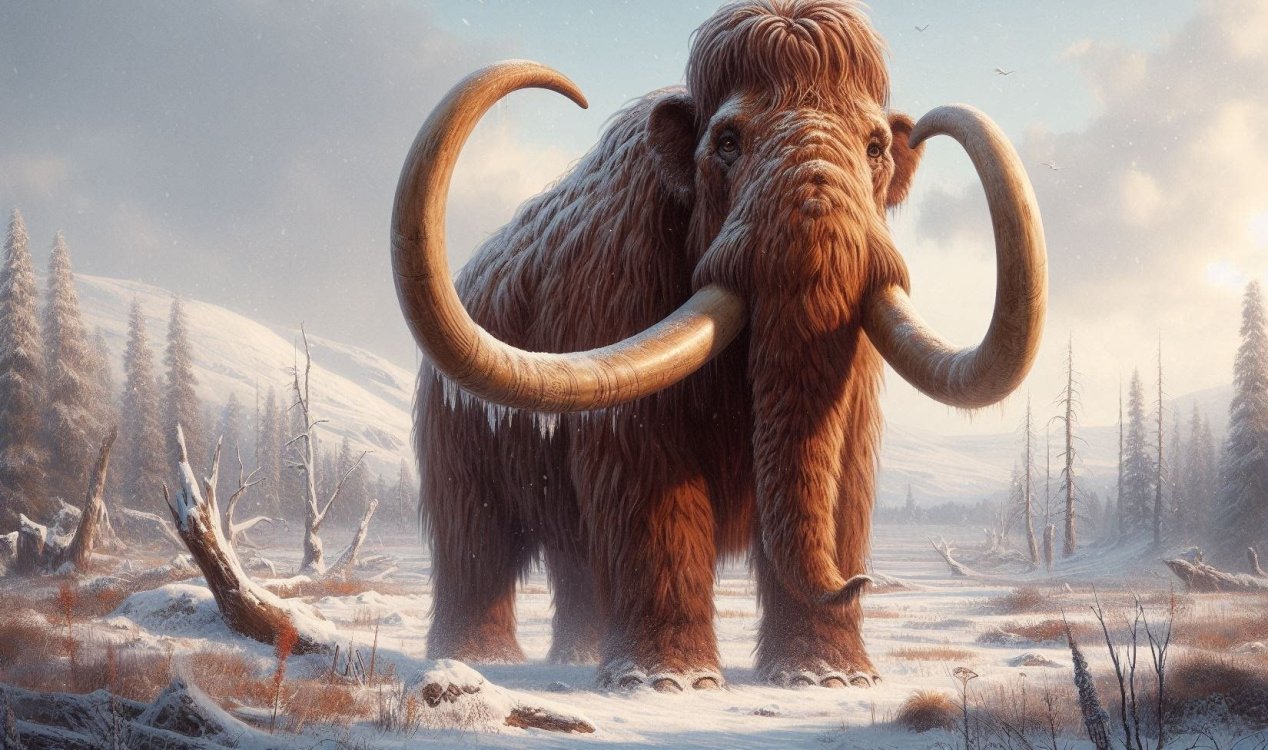
Image: AI-generated (Bing AI / Dall-E 3)
Thanks to their efforts, the possibility of cloning a mammoth is looking increasingly plausible.
"As a result of tireless joint efforts, we have achieved what we call the 'initial stage' on our way to recovering the mammoth," said South Korean cloning expert Professor Hwang Woo-Suk.
"We continue the search for new materials and samples. We need cells that can share information."
"If we could find a sample that is not only well preserved but also in which biochemical processes can take place, we will be able to impregnate it with the help of the Asian elephant materials."
Mammoths were thought to have gone extinct around 10,000 years ago however recent evidence has suggested that a small population may have survived until as recently as 3,600 years ago.
If cloning scientists actually do manage to bring the species back to life it will surely be one of the most significant scientific breakthroughs in history.
Source: Sputnik International
Mammoth cloning attempt in 'initial stages'
By T.K. RandallJuly 30, 2016
Image: AI-generated (Bing AI / Dall-E 3)
Russian and Korean scientists have made an important first step towards creating a live woolly mammoth.
Can an extinct species be brought back to life ? An international team of scientists at the World Mammoth Center in Yakutsk, the world's coldest city, certainly seem to think so.Thanks to their efforts, the possibility of cloning a mammoth is looking increasingly plausible.
"As a result of tireless joint efforts, we have achieved what we call the 'initial stage' on our way to recovering the mammoth," said South Korean cloning expert Professor Hwang Woo-Suk.
"If we could find a sample that is not only well preserved but also in which biochemical processes can take place, we will be able to impregnate it with the help of the Asian elephant materials."
Mammoths were thought to have gone extinct around 10,000 years ago however recent evidence has suggested that a small population may have survived until as recently as 3,600 years ago.
If cloning scientists actually do manage to bring the species back to life it will surely be one of the most significant scientific breakthroughs in history.
Source: Sputnik International
Similar stories based on this topic:



The Unexplained Mysteries
Book of Weird News
AVAILABLE NOW
Take a walk on the weird side with this compilation of some of the weirdest stories ever to grace the pages of a newspaper.
Click here to learn more

Support us on Patreon
BONUS CONTENTFor less than the cost of a cup of coffee, you can gain access to a wide range of exclusive perks including our popular 'Lost Ghost Stories' series.
Click here to learn more

1 week
2 weeks
3 weeks
1 month


This week
This month
All time
| - | 1. | Pareidolia |
 |
2. | Loch Ness Monster |
|
3. | Ghost |
 |
4. | Electronic Voice Phenomenon |
|
5. | Yeti |
|
6. | Area 51 |
|
7. | Paranormal |
| - | 8. | Spirit Photography (Classic) |
|
9. | Orb |
| - | 10. | Storm Area 51 |


Top | Home | Forum
News | Columns | Encyclopedia


UM 11.3 Unexplained-Mysteries.com (c) 2001-2026
Terms | Privacy Policy | Cookies | Contact
News | Columns | Encyclopedia
UM 11.3 Unexplained-Mysteries.com (c) 2001-2026
Terms | Privacy Policy | Cookies | Contact