





Science & Technology
August 9, 2016


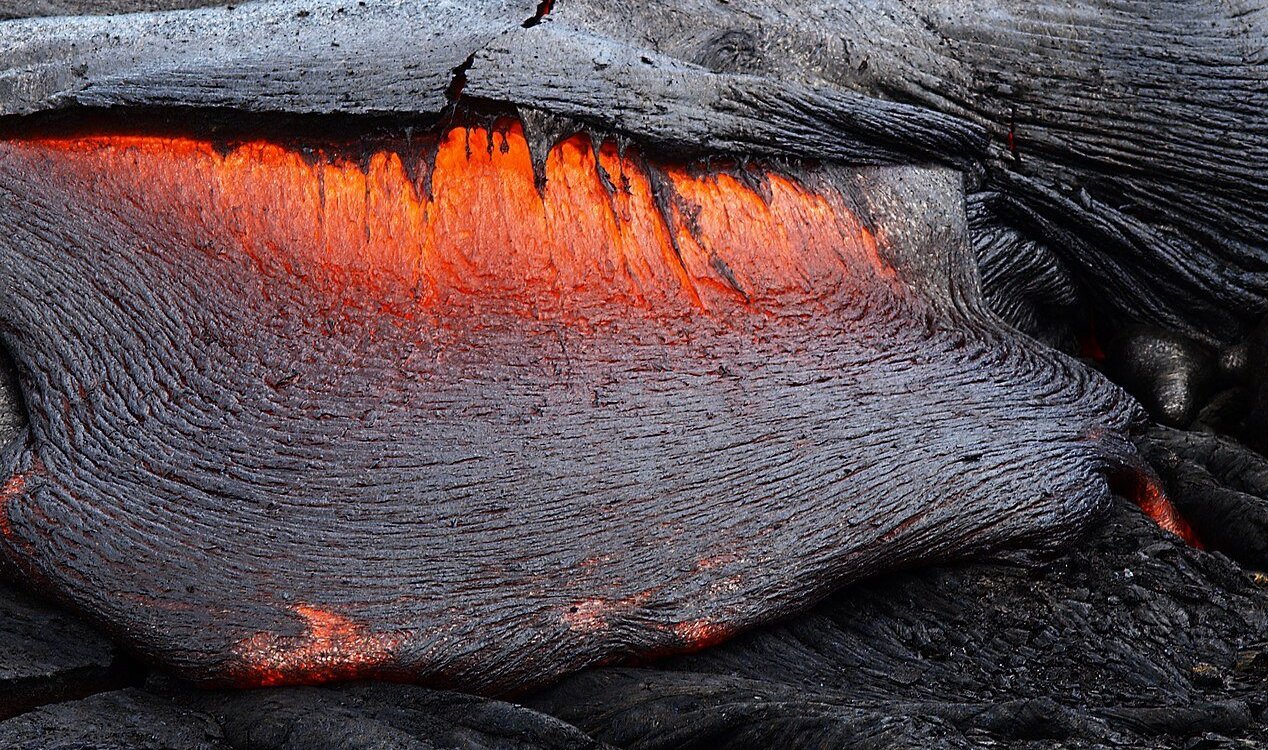
Image: Pahoehoe Lava
Credit: Rufiyaa / CC BY-SA 4.0 (adapted)
The first recipient of this technology will be Masaya, a particularly dangerous volcano in Nicaragua which last erupted back in 2008, spewing huge plumes of ash over 3.8 miles in to the atmosphere.
By placing as many as 80 temperature and pressure sensors in strategic places around the crater, scientists will be able to monitor the volcano for signs of a future eruption.
"It could happen at any time and the problem is, we are not able to predict when this could happen or what sorts of signs from the volcano," said volcanologist Guillermo Caravantes.
"The goal is essentially to install all these sensors and create the most effective early warning system in the world. The long-term goal is to connect all volcanoes, this would be fantastic."
Source: Sky News
'Mouth of hell' volcano gets WiFi connection
By T.K. RandallAugust 9, 2016
Image: Pahoehoe Lava
Credit: Rufiyaa / CC BY-SA 4.0 (adapted)
One of Nicaragua's most active volcanoes is being fitted with sensors that are connected to the Internet.
Volcanic eruptions can be both deadly and unpredictable, but now volcanologists are aiming to use the Internet to create an effective early warning system by having sensors fitted around the outside of a volcano that can communicate real-time data online.The first recipient of this technology will be Masaya, a particularly dangerous volcano in Nicaragua which last erupted back in 2008, spewing huge plumes of ash over 3.8 miles in to the atmosphere.
"It could happen at any time and the problem is, we are not able to predict when this could happen or what sorts of signs from the volcano," said volcanologist Guillermo Caravantes.
"The goal is essentially to install all these sensors and create the most effective early warning system in the world. The long-term goal is to connect all volcanoes, this would be fantastic."
Source: Sky News



The Unexplained Mysteries
Book of Weird News
AVAILABLE NOW
Take a walk on the weird side with this compilation of some of the weirdest stories ever to grace the pages of a newspaper.
Click here to learn more

Support us on Patreon
BONUS CONTENTFor less than the cost of a cup of coffee, you can gain access to a wide range of exclusive perks including our popular 'Lost Ghost Stories' series.
Click here to learn more

1 week
2 weeks
3 weeks
1 month


This week
This month
All time
| - | 1. | Pareidolia |
 |
2. | Loch Ness Monster |
|
3. | Ghost |
 |
4. | Electronic Voice Phenomenon |
|
5. | Yeti |
|
6. | Area 51 |
|
7. | Paranormal |
| - | 8. | Spirit Photography (Classic) |
|
9. | Orb |
| - | 10. | Storm Area 51 |


Top | Home | Forum
News | Columns | Encyclopedia


UM 11.3 Unexplained-Mysteries.com (c) 2001-2026
Terms | Privacy Policy | Cookies | Contact
News | Columns | Encyclopedia
UM 11.3 Unexplained-Mysteries.com (c) 2001-2026
Terms | Privacy Policy | Cookies | Contact