





Science & Technology
September 14, 2026


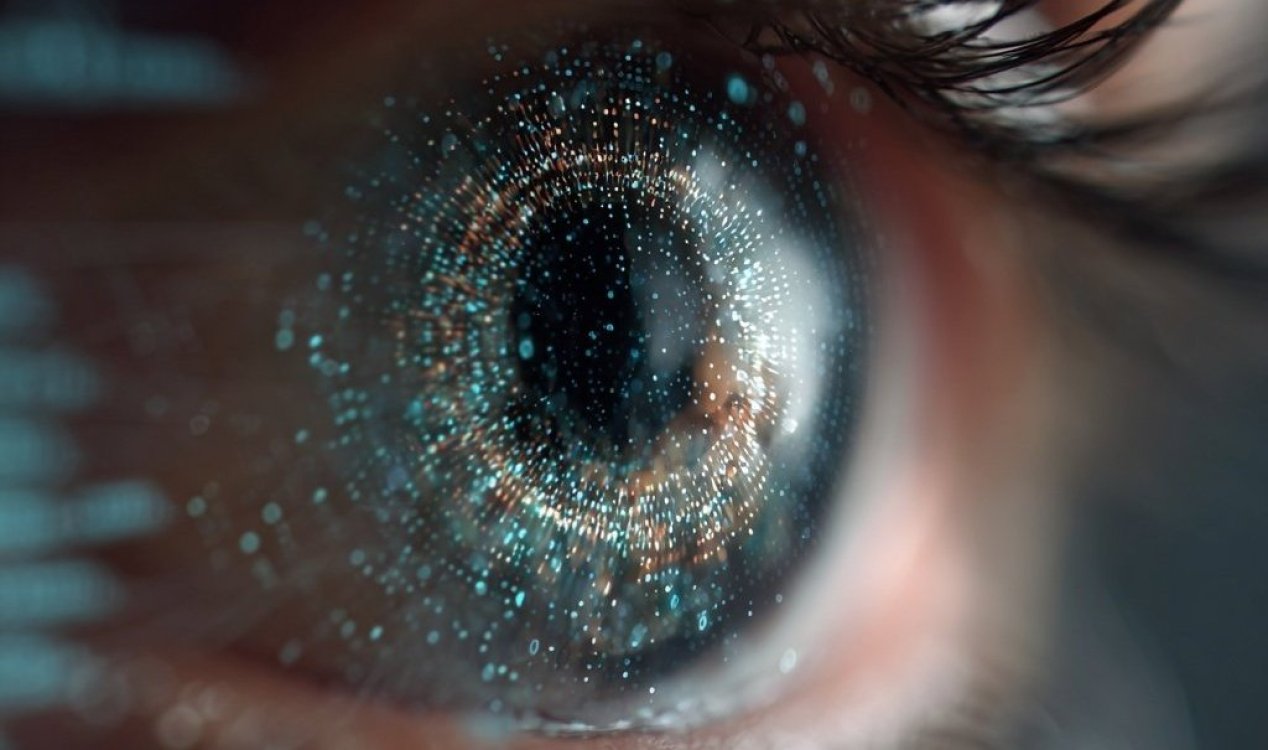
Image: AI-generated (Midjourney)
Today's AIs, like ChatGPT, are still not as intelligent as humans, meaning that we can benefit from them without having to worry about them taking over, Skynet style.
But even the most sophisticated chatbot may soon pale in comparison to the emergence of a true artificial superintelligence - an AI that exceeds a human's intellectual capabilities.
Last week, lobbyists and industry insiders warned that world governments should put a curb on the unchecked development of such systems due to the threat that they pose to humanity.
While an AI is unlikely to ever fire all the world's nuclear missiles or build an army of robots like in the movies, they could, for example, invent a devastating virus and then give it to scientists, claiming that rather than wiping out the human race, it is a cure for cancer or something similar.
Once AI gains intelligence beyond a certain level, you may not be able to entirely trust its motives.
Even now, experimental AIs have found ways to break out of their restraints.
In the UK last week, MPs put forward ideas to mitigate these risks.
"[We want a] multinational treaty for the regulated and safe development of superintelligence - not a ban on innovation or scientific endeavour but a safety-first approach to the rapid development of this technology," MP Darren Jones wrote in a letter to the Prime Minister and the head of the UN.
Whether such a treaty will come into effect before it's too late, however, remains to be seen.
Source: The Guardian
Artificial superintelligence could wipe us out within 10 years, lobbyists warn
By T.K. RandallSeptember 14, 2026
Image: AI-generated (Midjourney)
Lobbyists have called for restrictions to be placed on the development of AI systems that are more intelligent than humans.
Those of us old enough to remember the Millennium Bug might feel that we are familiar with warnings of technological catastrophe that never come to pass, but there is perhaps something a lot more credible about the threat posed by ever-more intelligent AI systems.Today's AIs, like ChatGPT, are still not as intelligent as humans, meaning that we can benefit from them without having to worry about them taking over, Skynet style.
But even the most sophisticated chatbot may soon pale in comparison to the emergence of a true artificial superintelligence - an AI that exceeds a human's intellectual capabilities.
Last week, lobbyists and industry insiders warned that world governments should put a curb on the unchecked development of such systems due to the threat that they pose to humanity.
While an AI is unlikely to ever fire all the world's nuclear missiles or build an army of robots like in the movies, they could, for example, invent a devastating virus and then give it to scientists, claiming that rather than wiping out the human race, it is a cure for cancer or something similar.
Even now, experimental AIs have found ways to break out of their restraints.
In the UK last week, MPs put forward ideas to mitigate these risks.
"[We want a] multinational treaty for the regulated and safe development of superintelligence - not a ban on innovation or scientific endeavour but a safety-first approach to the rapid development of this technology," MP Darren Jones wrote in a letter to the Prime Minister and the head of the UN.
Whether such a treaty will come into effect before it's too late, however, remains to be seen.
Source: The Guardian
Similar stories based on this topic:



The Unexplained Mysteries
Book of Weird News
AVAILABLE NOW
Take a walk on the weird side with this compilation of some of the weirdest stories ever to grace the pages of a newspaper.
Click here to learn more

Support us on Patreon
BONUS CONTENTFor less than the cost of a cup of coffee, you can gain access to a wide range of exclusive perks including our popular 'Lost Ghost Stories' series.
Click here to learn more

1 week
2 weeks
3 weeks
1 month


This week
This month
All time
| - | 1. | Loch Ness Monster |
| - | 2. | Electronic Voice Phenomenon |
 |
3. | Orb |
 |
4. | Pareidolia |
| - | 5. | Area 51 |
|
6. | Roswell Incident |
|
7. | Spirit Photography (Classic) |
|
8. | Phoenix Lights |
|
9. | Bigfoot |
|
10. | Ghost |


Top | Home | Forum
News | Columns | Encyclopedia


UM 11.3 Unexplained-Mysteries.com (c) 2001-2026
Terms | Privacy Policy | Cookies | Contact
News | Columns | Encyclopedia
UM 11.3 Unexplained-Mysteries.com (c) 2001-2026
Terms | Privacy Policy | Cookies | Contact