





Search results for: scientist
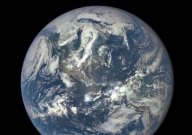
Did the Anthropocene epoch begin in 1950 ?
Aug 29, 2016Scientists now believe that the Holocene epoch may have come to a close several decades ago.

Extinct kitten-sized lion species discovered
Aug 28, 2016Scientists in Australia have identified a tiny marsupial lion which went extinct 18 million years ago.

DNA can help to recreate a criminal's face
Aug 27, 2016Scientists have found a new way to determine a person's appearance by analyzing samples of their DNA.

Is Proxima Centauri home to a second Earth ?
Aug 16, 2016Scientists have allegedly discovered a potentially habitable planet within a neighboring star system.

Dinosaur suffering from arthritis discovered
Aug 7, 2016In a world first, scientists have identified a duck-billed dinosaur with clear signs of septic arthritis.

'Second skin' could help to protect soldiers
Aug 6, 2016Scientists are working on a new type of protective suit made out of lightweight carbon nanotubes.

Killer whale 'Granny' is older than Titanic
VIDEO Aug 6, 2016A 105-year-old killer whale is still going strong after being sighted off the coast of Washington State.

Japan's mystery 'raven' whale is new species
Aug 1, 2016Scientists have identified a whole new species of whale following years of stories from local fishermen.

Mammoth cloning attempt in 'initial stages'
Jul 30, 2016Russian and Korean scientists have made an important first step towards creating a live woolly mammoth.

Philae mission officially comes to a close
Jul 27, 2016After a year without communication, scientists have finally said goodbye to Philae for the last time.

This year's global warming is off the charts
Jul 27, 2016Climate scientists have expressed concern over the record-breaking temperatures seen so far this year.
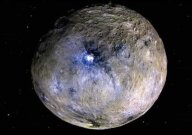
Mystery surrounds missing craters on Ceres
Jul 26, 2016Scientists have been attempting to determine why the dwarf planet Ceres has no large craters at all.
New metal is four times tougher than titanium
Jul 24, 2016Scientists have created a brand new type of super-metal by melting together titanium and gold.

Major project fails to detect dark matter
Jul 21, 2016Scientists have shut down their state-of-the-art dark matter detector after it failed to find anything.

Scientists achieve atom-sized data storage
VIDEO Jul 21, 2016Increasingly sophisticated data storage systems are being built to meet the demands of modern computing.
Excitement mounts over Earth-like exoplanets
Jul 20, 2016Scientists have identified two distant worlds which could be ideal places to look for alien life.

Amazon tree discoveries will take 300 years
Jul 13, 2016It turns out that it will take centuries for scientists to discover all the different species of trees.

Distant water clouds detected for first time
Jul 9, 2016Scientists have identified water clouds around a brown dwarf star that is 7.2 light years from the Earth.
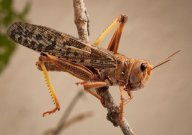
Scientists to use locusts to sniff out bombs
Jul 7, 2016The migratory pests could end up being turned in to bomb-detection systems for use in war zones.

Goats would make good pets, say scientists
Jul 6, 2016New research has suggested that goats are actually just as loving and intelligent as dogs and cats.



News | Columns | Encyclopedia


UM 11.3 Unexplained-Mysteries.com (c) 2001-2026
Terms | Privacy Policy | Cookies | Contact