





Nature & Environment
June 27, 2015


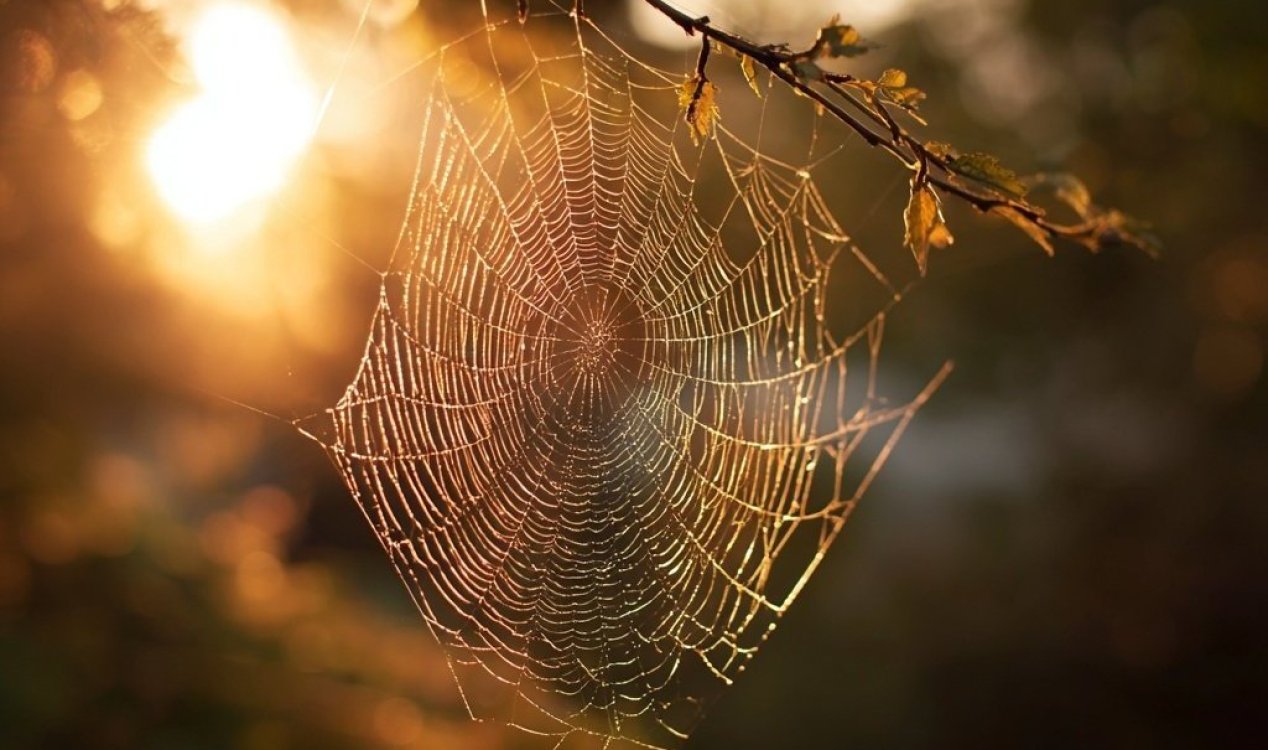
Image: AI-generated (Midjourney)
In a scene reminiscent of a horror movie, thousands of tarantulas belonging to a newly discovered species have descended on the town prompting significant concerns among the local populace.
The spiders, which have been nicknamed 'diving spiders' due to their ability to go underwater inside a bubble of air, typically create tunnel-like webs in which they lie in wait to ambush their prey.
While not fatal, a single bite from one of the spiders can make someone seriously ill.
Arachnologists such as Dr. Robert Raven have been investigating the invasion in an attempt to work out why so many of the creatures had congregated within such a small area.
One possibility is that there is a particularly attractive food source for the spiders in the town. It is also possible that a natural predator of the spiders is missing from the area.
"It's one of the beauties of science, being able to say ‘I don't know,'" said Dr. Raven.
Source: Inquisitr.com
Australian town invaded by 25,000 tarantulas
By T.K. RandallJune 27, 2015
Image: AI-generated (Midjourney)
Scientists have been left perplexed after hordes of large spiders descended on the town of Maningrida.
Australia is not the best place for arachnophobes at the best of times but for those living in Maningrida this week the problem posed by big spiders has reached a record-breaking high.In a scene reminiscent of a horror movie, thousands of tarantulas belonging to a newly discovered species have descended on the town prompting significant concerns among the local populace.
The spiders, which have been nicknamed 'diving spiders' due to their ability to go underwater inside a bubble of air, typically create tunnel-like webs in which they lie in wait to ambush their prey.
Arachnologists such as Dr. Robert Raven have been investigating the invasion in an attempt to work out why so many of the creatures had congregated within such a small area.
One possibility is that there is a particularly attractive food source for the spiders in the town. It is also possible that a natural predator of the spiders is missing from the area.
"It's one of the beauties of science, being able to say ‘I don't know,'" said Dr. Raven.
Source: Inquisitr.com
Similar stories based on this topic:



The Unexplained Mysteries
Book of Weird News
AVAILABLE NOW
Take a walk on the weird side with this compilation of some of the weirdest stories ever to grace the pages of a newspaper.
Click here to learn more

Support us on Patreon
BONUS CONTENTFor less than the cost of a cup of coffee, you can gain access to a wide range of exclusive perks including our popular 'Lost Ghost Stories' series.
Click here to learn more

1 week
2 weeks
3 weeks
1 month


This week
This month
All time
 |
1. | Electronic Voice Phenomenon |
|
2. | Orb |
| - | 3. | Pareidolia |
|
4. | Spirit Photography (Classic) |
 |
5. | Loch Ness Monster |
|
6. | Yeti |
|
7. | Area 51 |
|
8. | Ghost |
| - | 9. | Bigfoot |
|
10. | Storm Area 51 |


Top | Home | Forum
News | Columns | Encyclopedia


UM 11.3 Unexplained-Mysteries.com (c) 2001-2026
Terms | Privacy Policy | Cookies | Contact
News | Columns | Encyclopedia
UM 11.3 Unexplained-Mysteries.com (c) 2001-2026
Terms | Privacy Policy | Cookies | Contact