





Nature & Environment
February 5, 2017


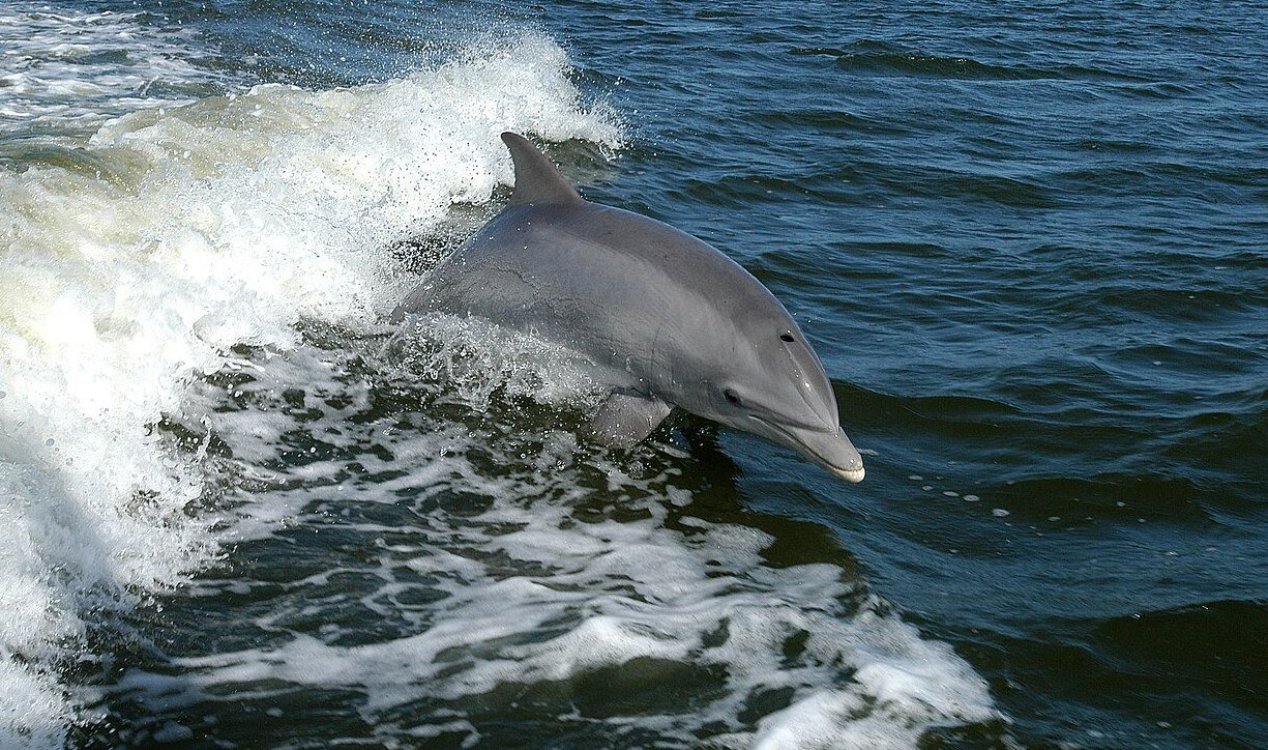
Image: Bottlenose Dolphin
Credit: NASA / (PD)
The world's smallest porpoise species, vaquitas have been declining in numbers for years and despite extensive efforts to catch those responsible for deploying the nets, their population has continued to drop at an alarming rate.
"The already desperate situation has worsened, despite existing conservation measures and current enforcement efforts," wrote the International Committee for the Recovery of the Vaquita (CIRVA).
"At the current rate of loss, the vaquita will likely decline to extinction by 2022, unless the current gillnet ban is maintained and effectively enforced."
In one last desperate attempt to save the species, conservationists have been setting up a new enclosure in the Gulf of California where they hope to contain and breed the animals.
Whether they can get the project up and running in time however remains to be seen.
Source: Phys.org
Only 30 rare vaquita porpoises are now left
By T.K. RandallFebruary 5, 2017
Image: Bottlenose Dolphin
Credit: NASA / (PD)
Despite efforts by authorities, the vaquita porpoise is now the world's most endangered marine mammal.
Native to the northern part of the Gulf of California, this critically endangered species has been brought to the brink of extinction due to the use of illegal gillnets designed to catch totoaba.The world's smallest porpoise species, vaquitas have been declining in numbers for years and despite extensive efforts to catch those responsible for deploying the nets, their population has continued to drop at an alarming rate.
"The already desperate situation has worsened, despite existing conservation measures and current enforcement efforts," wrote the International Committee for the Recovery of the Vaquita (CIRVA).
In one last desperate attempt to save the species, conservationists have been setting up a new enclosure in the Gulf of California where they hope to contain and breed the animals.
Whether they can get the project up and running in time however remains to be seen.
Source: Phys.org



The Unexplained Mysteries
Book of Weird News
AVAILABLE NOW
Take a walk on the weird side with this compilation of some of the weirdest stories ever to grace the pages of a newspaper.
Click here to learn more

Support us on Patreon
BONUS CONTENTFor less than the cost of a cup of coffee, you can gain access to a wide range of exclusive perks including our popular 'Lost Ghost Stories' series.
Click here to learn more

1 week
2 weeks
3 weeks
1 month


This week
This month
All time
| - | 1. | Pareidolia |
 |
2. | Loch Ness Monster |
|
3. | Ghost |
 |
4. | Electronic Voice Phenomenon |
|
5. | Yeti |
|
6. | Area 51 |
|
7. | Paranormal |
| - | 8. | Spirit Photography (Classic) |
|
9. | Orb |
| - | 10. | Storm Area 51 |


Top | Home | Forum
News | Columns | Encyclopedia


UM 11.3 Unexplained-Mysteries.com (c) 2001-2026
Terms | Privacy Policy | Cookies | Contact
News | Columns | Encyclopedia
UM 11.3 Unexplained-Mysteries.com (c) 2001-2026
Terms | Privacy Policy | Cookies | Contact