





Space & Astronomy
January 15, 2018


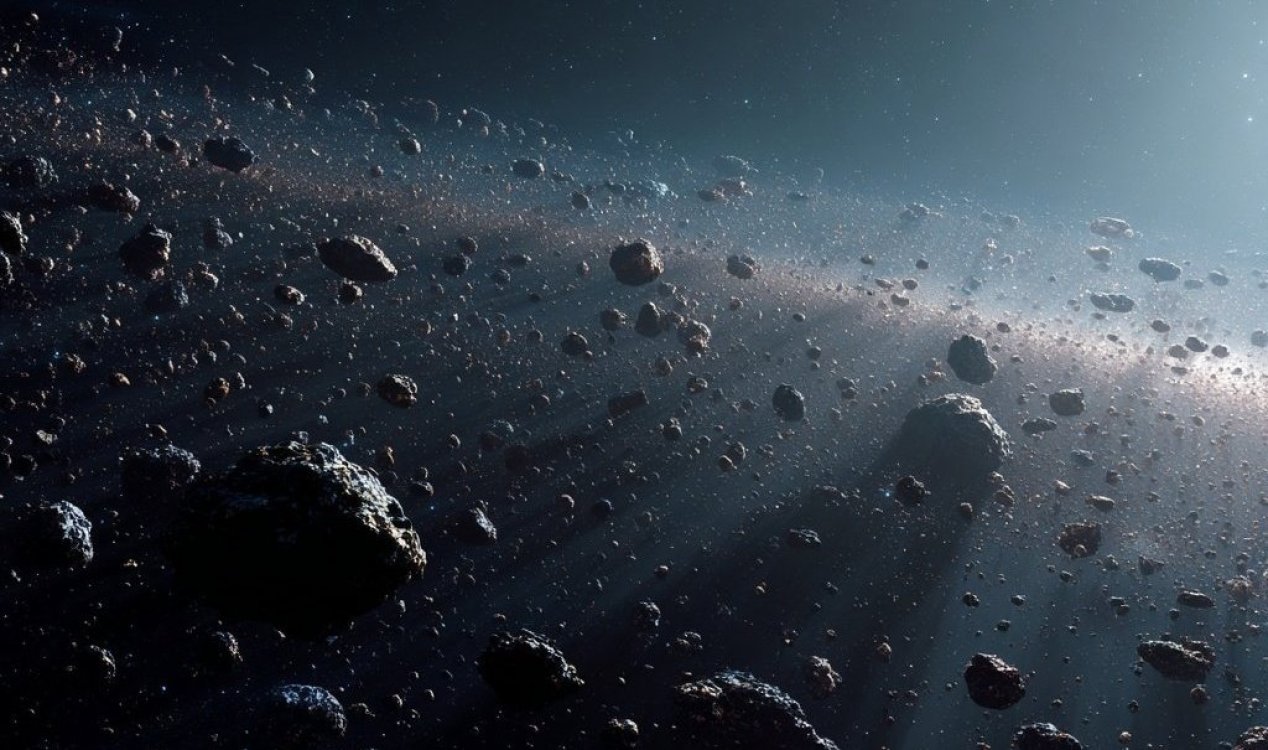
Image: AI-generated (Midjourney)
It is believed that the two space rocks, which contain water, hydrocarbons, amino acids and organic compounds, may have originated in the asteroid belt between Mars and Jupiter.
There is also evidence to suggest that some of the organic matter may have come from Ceres - a dwarf planet that scientists believe could be home to a subterranean ocean of liquid water.
"Our coordinated organic analysis of the salt crystals suggest that the organic matter originated from a water-rich, or previously water-rich parent body," said study author Queenie Chan.
"Our finding that the meteorites contain a wide diversity of organic compounds is exciting, but what made me jump up and down was that we were able to investigate the soluble - such as amino acids, the building blocks of life - and insoluble organic compounds contained within the tiny salt crystals."
Source: Inquisitr.com
'Ingredients for life' found in meteorites
By T.K. RandallJanuary 15, 2018
Image: AI-generated (Midjourney)
Scientists have found new evidence to suggest that life could have arisen elsewhere in the solar system.
Two 4.5-billion-year-old meteorites which crashed to Earth on opposite sides of the planet in 1998 have been found to contain many of the ingredients necessary for life, according to a new study.It is believed that the two space rocks, which contain water, hydrocarbons, amino acids and organic compounds, may have originated in the asteroid belt between Mars and Jupiter.
"Our coordinated organic analysis of the salt crystals suggest that the organic matter originated from a water-rich, or previously water-rich parent body," said study author Queenie Chan.
"Our finding that the meteorites contain a wide diversity of organic compounds is exciting, but what made me jump up and down was that we were able to investigate the soluble - such as amino acids, the building blocks of life - and insoluble organic compounds contained within the tiny salt crystals."
Source: Inquisitr.com
Similar stories based on this topic:



The Unexplained Mysteries
Book of Weird News
AVAILABLE NOW
Take a walk on the weird side with this compilation of some of the weirdest stories ever to grace the pages of a newspaper.
Click here to learn more
Support us on Patreon
BONUS CONTENTFor less than the cost of a cup of coffee, you can gain access to a wide range of exclusive perks including our popular 'Lost Ghost Stories' series.
Click here to learn more

1 week
2 weeks
3 weeks
1 month


This week
This month
All time
| - | 1. | Pareidolia |
 |
2. | Loch Ness Monster |
|
3. | Ghost |
 |
4. | Electronic Voice Phenomenon |
|
5. | Yeti |
|
6. | Area 51 |
|
7. | Paranormal |
| - | 8. | Spirit Photography (Classic) |
|
9. | Orb |
| - | 10. | Storm Area 51 |


Top | Home | Forum
News | Columns | Encyclopedia


UM 11.3 Unexplained-Mysteries.com (c) 2001-2026
Terms | Privacy Policy | Cookies | Contact
News | Columns | Encyclopedia
UM 11.3 Unexplained-Mysteries.com (c) 2001-2026
Terms | Privacy Policy | Cookies | Contact