





Science & Technology
January 29, 2026


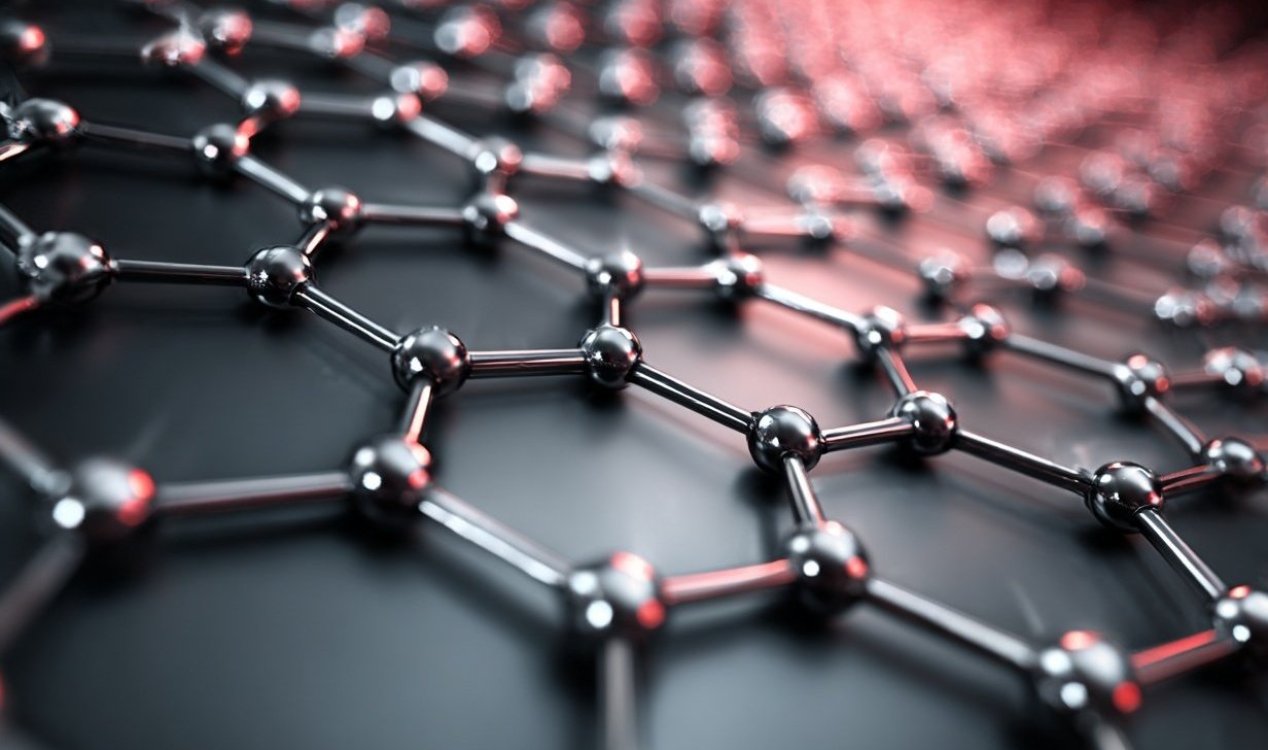
Image: AI-generated (Midjourney)
According to new research, however, graphene might have been accidentally produced over a century earlier in experiments by Thomas Edison - the prolific inventor of everything from the phonograph to the first practical modern light bulb.
One of the ways graphene can be produced is through a process known as flash Joule heating which involves quickly heating up a resistive carbon-based material to over 2,000 degrees Celsius.
As it happens, early light bulbs also used carbon-based filaments.
By conducting a series of experiments, a team of researchers at Rice University was able to find evidence to suggest that Edison's early experiments could have produced a small amount of graphene - albeit briefly.
To preserve it, Edison would have needed to scrape it off the filament, else it would have simply turned into regular graphite.
It's likely that he would have had no idea that he had inadvertently created a futuristic 'wonder material' and that it had been right under his nose.
Of course, he wouldn't have been able to do much with it anyway, but it's an intriguing thought.
"Finding that he could have produced graphene inspires curiosity about what other information lies buried in historical experiments," said chemist James Tour.
"What questions would our scientific forefathers ask if they could join us in the lab today? What questions can we answer when we revisit their work through a modern lens?"
Source: Science Alert
Did Thomas Edison accidentally produce graphene 147 years ago ?
By T.K. RandallJanuary 29, 2026
Image: AI-generated (Midjourney)
Officially isolated in 2004, graphene may have existed unintentionally in materials used long before that by Thomas Edison.
First theorized in 1947 before being isolated in 2004, graphene is often described as a 'wonder material' and is today used in all manner of applications from batteries to environmental sensors.According to new research, however, graphene might have been accidentally produced over a century earlier in experiments by Thomas Edison - the prolific inventor of everything from the phonograph to the first practical modern light bulb.
One of the ways graphene can be produced is through a process known as flash Joule heating which involves quickly heating up a resistive carbon-based material to over 2,000 degrees Celsius.
As it happens, early light bulbs also used carbon-based filaments.
By conducting a series of experiments, a team of researchers at Rice University was able to find evidence to suggest that Edison's early experiments could have produced a small amount of graphene - albeit briefly.
It's likely that he would have had no idea that he had inadvertently created a futuristic 'wonder material' and that it had been right under his nose.
Of course, he wouldn't have been able to do much with it anyway, but it's an intriguing thought.
"Finding that he could have produced graphene inspires curiosity about what other information lies buried in historical experiments," said chemist James Tour.
"What questions would our scientific forefathers ask if they could join us in the lab today? What questions can we answer when we revisit their work through a modern lens?"
Source: Science Alert



The Unexplained Mysteries
Book of Weird News
AVAILABLE NOW
Take a walk on the weird side with this compilation of some of the weirdest stories ever to grace the pages of a newspaper.
Click here to learn more

Support us on Patreon
BONUS CONTENTFor less than the cost of a cup of coffee, you can gain access to a wide range of exclusive perks including our popular 'Lost Ghost Stories' series.
Click here to learn more

1 week
2 weeks
3 weeks
1 month


This week
This month
All time
 |
1. | Loch Ness Monster |
|
2. | Electronic Voice Phenomenon |
 |
3. | Pareidolia |
|
4. | Ghost |
|
5. | Orb |
|
6. | Area 51 |
|
7. | Yeti |
|
8. | Spirit Photography (Classic) |
|
9. | Bigfoot |
|
10. | Extraterrestrial |


Top | Home | Forum
News | Columns | Encyclopedia


UM 11.3 Unexplained-Mysteries.com (c) 2001-2026
Terms | Privacy Policy | Cookies | Contact
News | Columns | Encyclopedia
UM 11.3 Unexplained-Mysteries.com (c) 2001-2026
Terms | Privacy Policy | Cookies | Contact