






Giant prehistoric salamander discovered
Mar 24, 2015A new species of lizard that grew to the size of a car has been identified from fossils in Portugal.
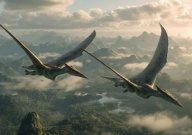
Huge bipedal crocodile predated dinosaurs
Mar 19, 2015A ferocious crocodile that walked on two legs proved a fearsome predator before the age of the dinosaurs.

Darwin was baffled by prehistoric 'horse'
Mar 19, 2015The world famous naturalist described the creature as being 'the strangest animal ever discovered.'

'Carpet of tools' discovered in the Sahara
Mar 15, 2015The desert's Messak Settafet escarpment contains up to 75 prehistoric tools per square meter.
Prehistoric lobster was the size of a man
Mar 13, 2015Palaeontologists have uncovered the fossil remains of an enormous 480 million-year-old lobster.
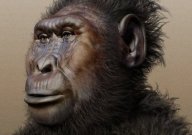
Earliest human ancestor unearthed in Ethiopia
Mar 5, 2015The discovery has pushed back the emergence of the earliest humans by up to 400,000 years.

Did dogs help us outsmart the Neanderthals ?
Mar 4, 2015The early domestication of wolves by modern humans may have tipped the balance in our favor.
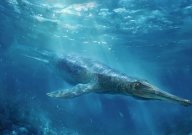
New species of ichthyosaur identified
Feb 22, 2015The fossil of a previously unknown species of prehistoric aquatic reptile has been found at a museum.
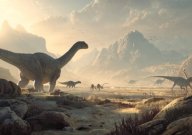
Long-necked 'dragon' dinosaur discovered
Jan 30, 2015Palaeontologists have uncovered the fossil remains of a dinosaur that looked a bit like a dragon.

Asteroid firestorm didn't kill the dinosaurs
Jan 24, 2015Scientists believe that a long winter, not an inferno, was most likely to blame for their extinction.
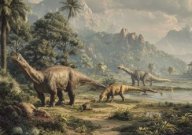
Pre-dinosaur crocodile relative unearthed
Jan 22, 2015Palaeontologists have discovered the remains of a carnivorous reptile dating back 240 million years.

DNA extracted from extinct giant kangaroo
Jan 17, 2015Scientists have been able to extract the DNA from two extinct behemoths that lived 45,000 years ago.
Were Neanderthals our intellectual equals ?
Jan 15, 2015Scientists now believe that Neanderthals were no less advanced that their modern human counterparts.

Prehistoric marine reptile found in Scotland
Jan 12, 2015The fossilized remains of a large dolphin-like creature have been found on the Isle of Skye.
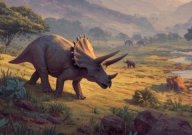
America's first horned dinosaur discovered
Dec 13, 2014Palaeontologists have identified a rabbit-sized horned dinosaur that was a relative of Triceratops.
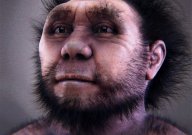
Earliest known human engraving discovered
Dec 4, 2014An engraving found on a fossilized shell is believed to have been made over 430,000 years ago.
5,000-year-old human footprints discovered
Nov 15, 2014Two sets of human footprints dating back to the Stone Age have been found on the island of Lolland.

Megalodon extinction gave whales a boost
Oct 24, 2014The disappearance of the world's biggest shark may have enabled whales to grow to huge sizes.
45,000-year-old human genome reconstructed
Oct 23, 2014Scientists have revealed new details about our prehistoric ancestors thanks to a fossil thighbone.
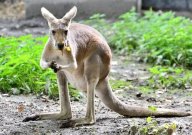
Prehistoric kangaroo walked like a human
Oct 18, 2014The extinct sthenurine kangaroo weighed a quarter of a ton and looked a bit like a giant bipedal rabbit.



News | Columns | Encyclopedia


UM 11.3 Unexplained-Mysteries.com (c) 2001-2026
Terms | Privacy Policy | Cookies | Contact