





Creatures, Myths & Legends
December 18, 2014


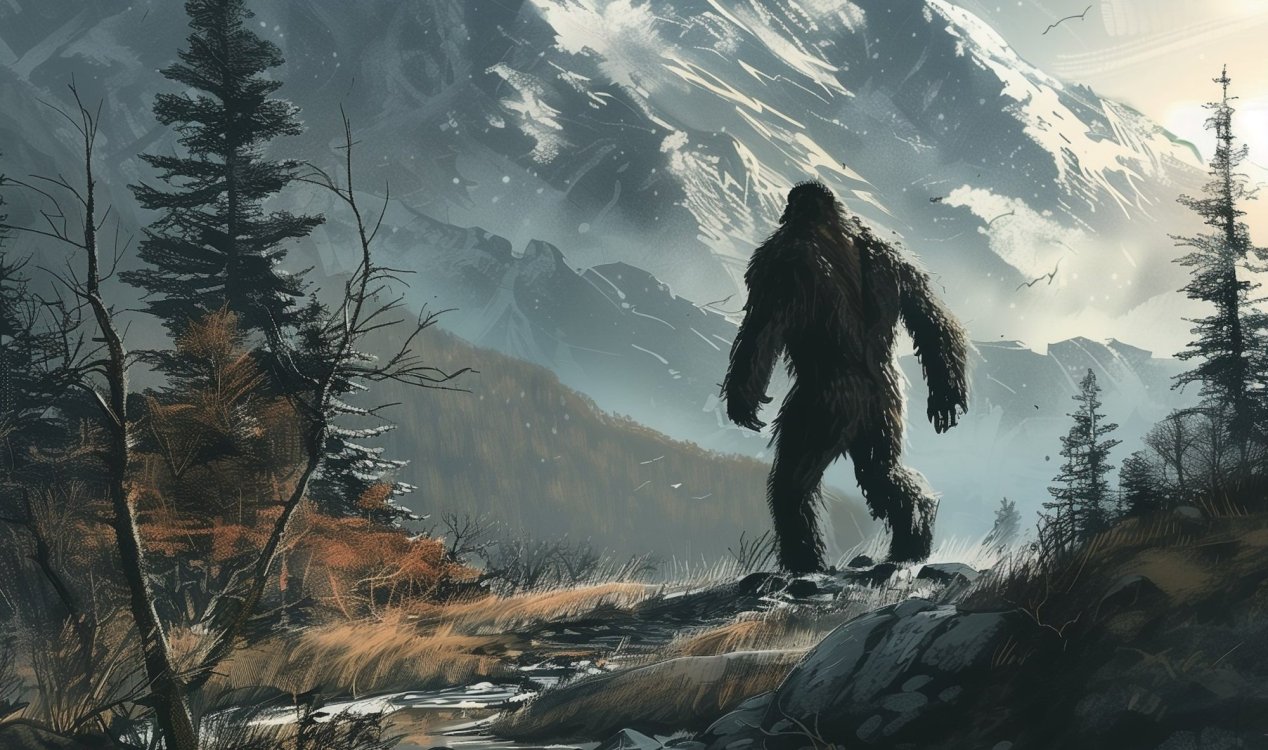
Image: AI-generated (Midjourney)
The find opened up the possibility that sightings of the mysterious Abominable Snowman in and around the Himalayan region might actually be explained by the presence of this ancient bear.
Now however two other scientists, Ceiridwen Edwards and Ross Barnett, have repeated the same DNA tests and believe that the hair samples are not from an extinct species of polar bear at all but are in fact from a rare sub-species of the common brown bear.
"The Himalayan bear is a sub-species of the brown bear that lives in the higher reaches of the Himalayas, in remote, mountainous areas of Pakistan, Nepal, Tibet, Bhutan and India," they wrote.
"The common name for these bears in the region is Dzu-teh, a Nepalese term meaning 'cattle bear', and they have long been associated with the myth of the yeti."
Source: BBC News
Scientists challenge 'Yeti' DNA results
By T.K. RandallDecember 18, 2014
Image: AI-generated (Midjourney)
DNA thought to be from an extinct polar bear in the Himalayas might actually belong to something else.
Professor Bryan Sykes made headlines last year when he DNA tested suspected Yeti hair samples from Ladakh and Bhutan and found that they were actually a match for a jawbone belonging to an extinct species of polar bear that lived 120,000 years ago.The find opened up the possibility that sightings of the mysterious Abominable Snowman in and around the Himalayan region might actually be explained by the presence of this ancient bear.
"The Himalayan bear is a sub-species of the brown bear that lives in the higher reaches of the Himalayas, in remote, mountainous areas of Pakistan, Nepal, Tibet, Bhutan and India," they wrote.
"The common name for these bears in the region is Dzu-teh, a Nepalese term meaning 'cattle bear', and they have long been associated with the myth of the yeti."
Source: BBC News
Similar stories based on this topic:


The Unexplained Mysteries
Book of Weird News
AVAILABLE NOW
Take a walk on the weird side with this compilation of some of the weirdest stories ever to grace the pages of a newspaper.
Click here to learn more

Support us on Patreon
BONUS CONTENTFor less than the cost of a cup of coffee, you can gain access to a wide range of exclusive perks including our popular 'Lost Ghost Stories' series.
Click here to learn more

1 week
2 weeks
3 weeks
1 month


This week
This month
All time
| - | 1. | Pareidolia |
 |
2. | Loch Ness Monster |
|
3. | Ghost |
 |
4. | Yeti |
|
5. | Electronic Voice Phenomenon |
|
6. | Area 51 |
|
7. | Paranormal |
| - | 8. | Spirit Photography (Classic) |
|
9. | Orb |
| - | 10. | Storm Area 51 |


Top | Home | Forum
News | Columns | Encyclopedia


UM 11.3 Unexplained-Mysteries.com (c) 2001-2026
Terms | Privacy Policy | Cookies | Contact
News | Columns | Encyclopedia
UM 11.3 Unexplained-Mysteries.com (c) 2001-2026
Terms | Privacy Policy | Cookies | Contact