





Palaeontology
August 13, 2018


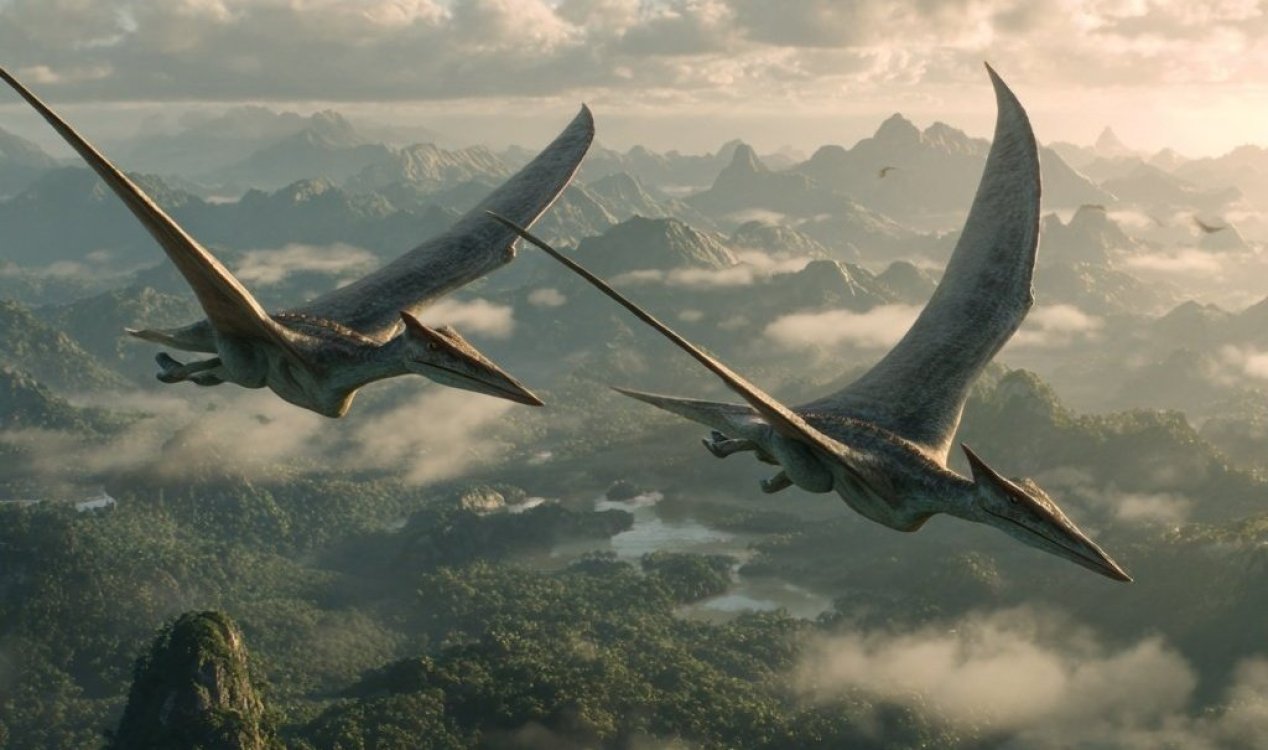
Image: AI-generated (Midjourney)
The species has been named Caelestiventus hanseni, which means "heavenly wind".
The fossil also happens to be one of the most complete ever found. Only a small number of pterosaur specimens have ever been found from the Triassic Period and most of them are badly damaged.
The site of its discovery - a desert oasis - would have attracted numerous different species.
"During droughts, large numbers of animals - including pterosaurs, predatory dinosaurs and crocodylomorphs - were drawn to the pond in the middle of the oasis, where they died as water dried up," said palaeontologist Brooks Britt of the Brigham Young University in Utah.
In total, more than 18,000 fossilized bones are thought to have been preserved at the site.
Source: Phys.org
New prehistoric flying reptile discovered
By T.K. RandallAugust 13, 2018
Image: AI-generated (Midjourney)
Scientists have revealed the discovery of a new species of giant pterosaur that lived over 200 million years ago.
Unearthed in northeastern Utah, the new species had a wingspan of 1.5 meters, a pelican-like pouch beneath its lower jaw and 112 teeth including razor-sharp fangs protruding from the front of its mouth.The species has been named Caelestiventus hanseni, which means "heavenly wind".
The fossil also happens to be one of the most complete ever found. Only a small number of pterosaur specimens have ever been found from the Triassic Period and most of them are badly damaged.
"During droughts, large numbers of animals - including pterosaurs, predatory dinosaurs and crocodylomorphs - were drawn to the pond in the middle of the oasis, where they died as water dried up," said palaeontologist Brooks Britt of the Brigham Young University in Utah.
In total, more than 18,000 fossilized bones are thought to have been preserved at the site.
Source: Phys.org
Similar stories based on this topic:



The Unexplained Mysteries
Book of Weird News
AVAILABLE NOW
Take a walk on the weird side with this compilation of some of the weirdest stories ever to grace the pages of a newspaper.
Click here to learn more

Support us on Patreon
BONUS CONTENTFor less than the cost of a cup of coffee, you can gain access to a wide range of exclusive perks including our popular 'Lost Ghost Stories' series.
Click here to learn more

1 week
2 weeks
3 weeks
1 month


This week
This month
All time
 |
1. | Pareidolia |
 |
2. | Electronic Voice Phenomenon |
|
3. | Yeti |
|
4. | Paranormal |
|
5. | Orb |
|
6. | Loch Ness Monster |
|
7. | Area 51 |
|
8. | Spirit Photography (Classic) |
|
9. | Ghost |
|
10. | Storm Area 51 |


Top | Home | Forum
News | Columns | Encyclopedia


UM 11.3 Unexplained-Mysteries.com (c) 2001-2026
Terms | Privacy Policy | Cookies | Contact
News | Columns | Encyclopedia
UM 11.3 Unexplained-Mysteries.com (c) 2001-2026
Terms | Privacy Policy | Cookies | Contact