





Search results for: prehistoric

42ft snake once fought with 16ft crocodile
May 29, 2014Two behemoths of the prehistoric world may have battled for dominance in rivers 60 million years ago.

Prehistoric whale graveyard discovered
Mar 2, 2014The remains of whale species dating back up to 9 million years have been unearthed at a site in Chile.

Giant prehistoric mammals feasted on flowers
Feb 10, 2014High-protein wildflowers may have played an integral part in the diets of large herbivorous mammals.
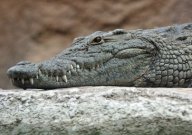
Triassic 'swamp monster' fossil unearthed
Jan 31, 2014The remains of a prehistoric crocodile-like creature have been discovered in the wilds of west Texas.

Neanderthal genetic code lives on in humans
Jan 30, 2014Researchers have discovered that we possess up to one fifth of our prehistoric cousins' genetic code.

Fossil fish discovery reveals origins of limbs
Jan 14, 2014A recently discovered prehistoric fish is believed to exhibit an early precursor to modern arms and legs.

What color were ancient sea creatures ?
Jan 9, 2014Scientists have discovered traces of skin pigment in the fossilized remains of prehistoric sea beasts.
What makes us different to Neanderthals ?
Dec 20, 2013Scientists have come up with a list of the genes that distinguish us from our prehistoric cousins.

130 million-year-old 'sea monster' found
Dec 9, 2013Palaeontologists have uncovered the remains of a huge prehistoric predatory marine reptile.
Prehistoric 'communal toilet' unearthed
Nov 29, 2013A vast latrine dating back more than 240 million years has been discovered in Argentina.
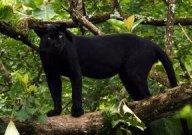
Oldest big cat fossil discovered
Nov 13, 2013Fossil skull fragments of a prehistoric species of large cat have been unearthed in the Himalayas.

Ancient cave drawings discovered in Brazil
Nov 9, 2013Wildlife researchers came across the prehistoric rock-art while searching for white-lipped peccaries.

'Yeti' DNA matches prehistoric polar bear
Oct 17, 2013Alleged Yeti hairs retrieved from the Himalayas have been identified as those of a rare bear sub-species.

Prehistoric blood-filled mosquito discovered
Oct 15, 2013A fossilized mosquito filled with blood has been found that dates back over 46 million years.

Prehistoric fish found with modern jaw
Sep 29, 2013Scientists in China have discovered the earliest known creature that possesses a distinct face.

Prehistoric 'terror bird' was a vegetarian
Sep 1, 2013Once thought to have been a vicious predator, the 7ft terror bird was actually a harmless plant-eater.
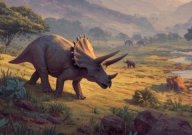
World's largest fish grew up to 50ft
Aug 26, 2013The monstrous 16m-long Leedsichthys problematicus would have swam the ocean 160 million years ago.



News | Columns | Encyclopedia


UM 11.3 Unexplained-Mysteries.com (c) 2001-2026
Terms | Privacy Policy | Cookies | Contact