





Space & Astronomy
February 28, 2018


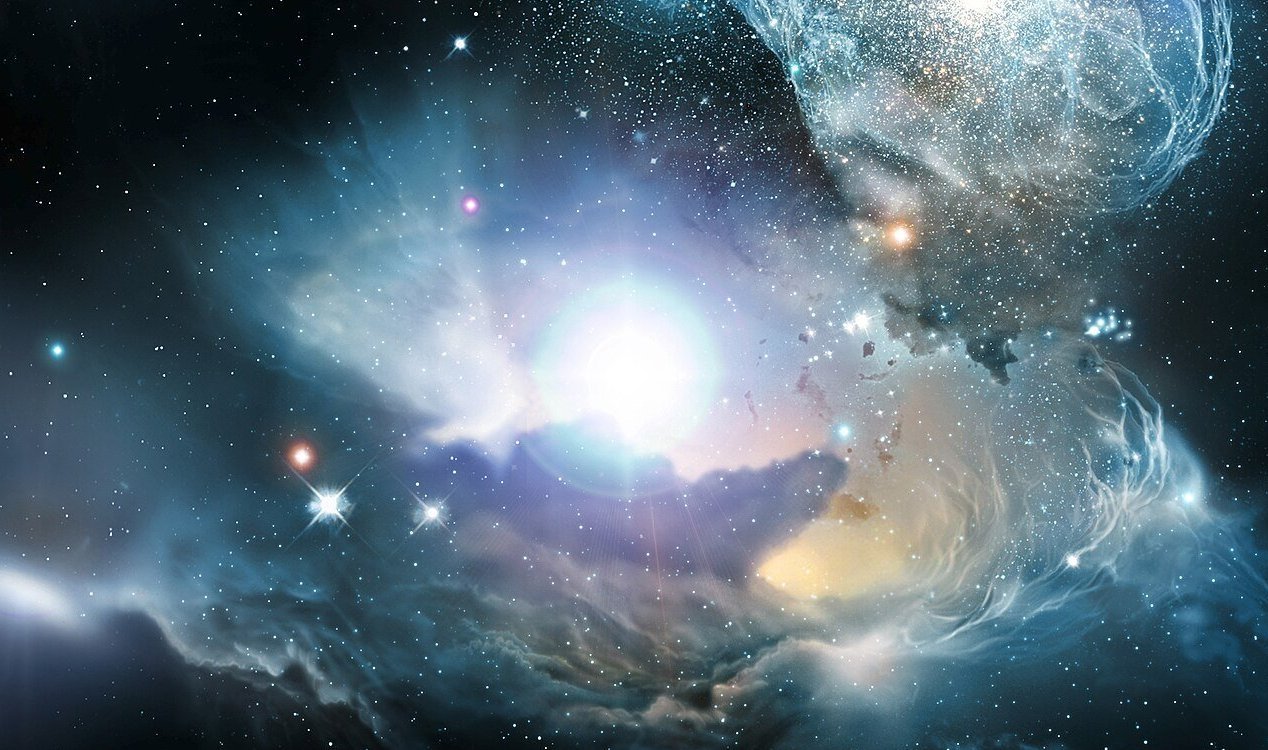
Image Credit: (PD) NASA/ESA/ESO/Wolfram Freudling et al via Wikimedia Commons
Astronomers have also found new evidence concerning the nature of dark matter in the faint imprint left by the glow of these stars which, if confirmed, could represent another major breakthrough.
"Finding this minuscule signal has opened a new window on the early universe," said Arizona State University's Judd Bowman - an experimental cosmologist whose team made the discovery. "It's unlikely we'll be able to see any earlier into the history of stars in our lifetime."
The key to their success lay in the Edges (Experiment to Detect Global EoR Signature) antenna which is situated in a remote region of Western Australia where there is minimal radio interference.
A more detailed explanation of how the discovery was made can be viewed in the video below.
Source: The Guardian
Astronomers detect signal from the first stars
By T.K. RandallFebruary 28, 2018
Image Credit: (PD) NASA/ESA/ESO/Wolfram Freudling et al via Wikimedia Commons
A table-sized antenna has picked up the fingerprints of the first ever stars to emerge after the Big Bang.
Described as 'revolutionary', the findings indicate that the first stars emerged around 180 million years after the Big Bang during a major transition known as the 'cosmic dawn'.Astronomers have also found new evidence concerning the nature of dark matter in the faint imprint left by the glow of these stars which, if confirmed, could represent another major breakthrough.
The key to their success lay in the Edges (Experiment to Detect Global EoR Signature) antenna which is situated in a remote region of Western Australia where there is minimal radio interference.
A more detailed explanation of how the discovery was made can be viewed in the video below.
Source: The Guardian
Similar stories based on this topic:



The Unexplained Mysteries
Book of Weird News
AVAILABLE NOW
Take a walk on the weird side with this compilation of some of the weirdest stories ever to grace the pages of a newspaper.
Click here to learn more

Support us on Patreon
BONUS CONTENTFor less than the cost of a cup of coffee, you can gain access to a wide range of exclusive perks including our popular 'Lost Ghost Stories' series.
Click here to learn more

1 week
2 weeks
3 weeks
1 month


This week
This month
All time
 |
1. | Pareidolia |
 |
2. | Electronic Voice Phenomenon |
|
3. | Yeti |
|
4. | Paranormal |
|
5. | Loch Ness Monster |
| - | 6. | Orb |
|
7. | Area 51 |
|
8. | Spirit Photography (Classic) |
|
9. | Ghost |
|
10. | Storm Area 51 |


Top | Home | Forum
News | Columns | Encyclopedia


UM 11.3 Unexplained-Mysteries.com (c) 2001-2026
Terms | Privacy Policy | Cookies | Contact
News | Columns | Encyclopedia
UM 11.3 Unexplained-Mysteries.com (c) 2001-2026
Terms | Privacy Policy | Cookies | Contact