





Science & Technology
January 28, 2021


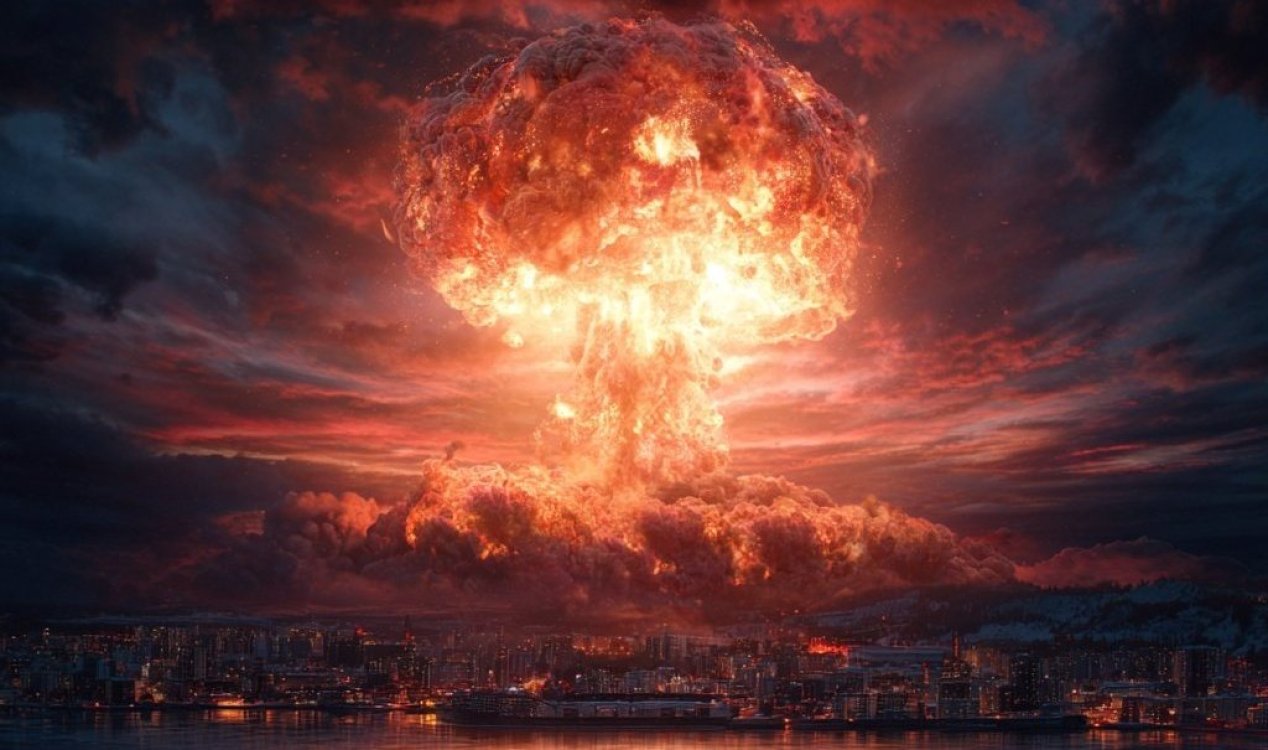
Image: AI-generated (Midjourney)
When it was last updated twelve months ago, the hands were changed to a mere 100 seconds to midnight - the closest it has been to disaster since the 1950s.
This year, officials have chosen to keep the clock's position the same on the basis that the "world's vulnerability to catastrophe" hasn't really changed that much in the interim.
The scientists cited an increase in online disinformation, political instability in the US, concerns over the control of nuclear weapons and a lack of progress on climate change as major factors.
"The pandemic revealed just how unprepared and unwilling countries and the international system are to handle global emergencies properly," the Bulletin of the Atomic Scientists said in a statement.
There was however positivity surrounding Joe Biden's move to rejoin the Paris Climate Agreement.
"The election of a US president who acknowledges climate change as a profound threat and supports international cooperation and science-based policy puts the world on a better footing to address global problems," the Bulletin stated.
"In the context of a post-pandemic return to relative stability, more such demonstrations of renewed interest in and respect for science and multilateral cooperation could create the basis for a safer and saner world."
Source: The Guardian
Doomsday Clock is still seconds from midnight
By T.K. RandallJanuary 28, 2021
Image: AI-generated (Midjourney)
The latest update to the symbolic clock shows that there hasn't been much improvement over the last 12 months.
Maintained by the Bulletin of the Atomic Scientists since 1947, the Doomsday Clock is a visual representation of how close the world is to disaster based on political, environmental and technological threats such as nuclear annihilation and climate change.When it was last updated twelve months ago, the hands were changed to a mere 100 seconds to midnight - the closest it has been to disaster since the 1950s.
This year, officials have chosen to keep the clock's position the same on the basis that the "world's vulnerability to catastrophe" hasn't really changed that much in the interim.
The scientists cited an increase in online disinformation, political instability in the US, concerns over the control of nuclear weapons and a lack of progress on climate change as major factors.
There was however positivity surrounding Joe Biden's move to rejoin the Paris Climate Agreement.
"The election of a US president who acknowledges climate change as a profound threat and supports international cooperation and science-based policy puts the world on a better footing to address global problems," the Bulletin stated.
"In the context of a post-pandemic return to relative stability, more such demonstrations of renewed interest in and respect for science and multilateral cooperation could create the basis for a safer and saner world."
Source: The Guardian
Similar stories based on this topic:


The Unexplained Mysteries
Book of Weird News
AVAILABLE NOW
Take a walk on the weird side with this compilation of some of the weirdest stories ever to grace the pages of a newspaper.
Click here to learn more

Support us on Patreon
BONUS CONTENTFor less than the cost of a cup of coffee, you can gain access to a wide range of exclusive perks including our popular 'Lost Ghost Stories' series.
Click here to learn more

1 week
2 weeks
3 weeks
1 month


This week
This month
All time
| - | 1. | Pareidolia |
 |
2. | Loch Ness Monster |
 |
3. | Electronic Voice Phenomenon |
|
4. | Ghost |
|
5. | Yeti |
|
6. | Area 51 |
|
7. | Paranormal |
| - | 8. | Spirit Photography (Classic) |
|
9. | Orb |
| - | 10. | Storm Area 51 |


Top | Home | Forum
News | Columns | Encyclopedia


UM 11.3 Unexplained-Mysteries.com (c) 2001-2026
Terms | Privacy Policy | Cookies | Contact
News | Columns | Encyclopedia
UM 11.3 Unexplained-Mysteries.com (c) 2001-2026
Terms | Privacy Policy | Cookies | Contact