





Science & Technology
November 26, 2025


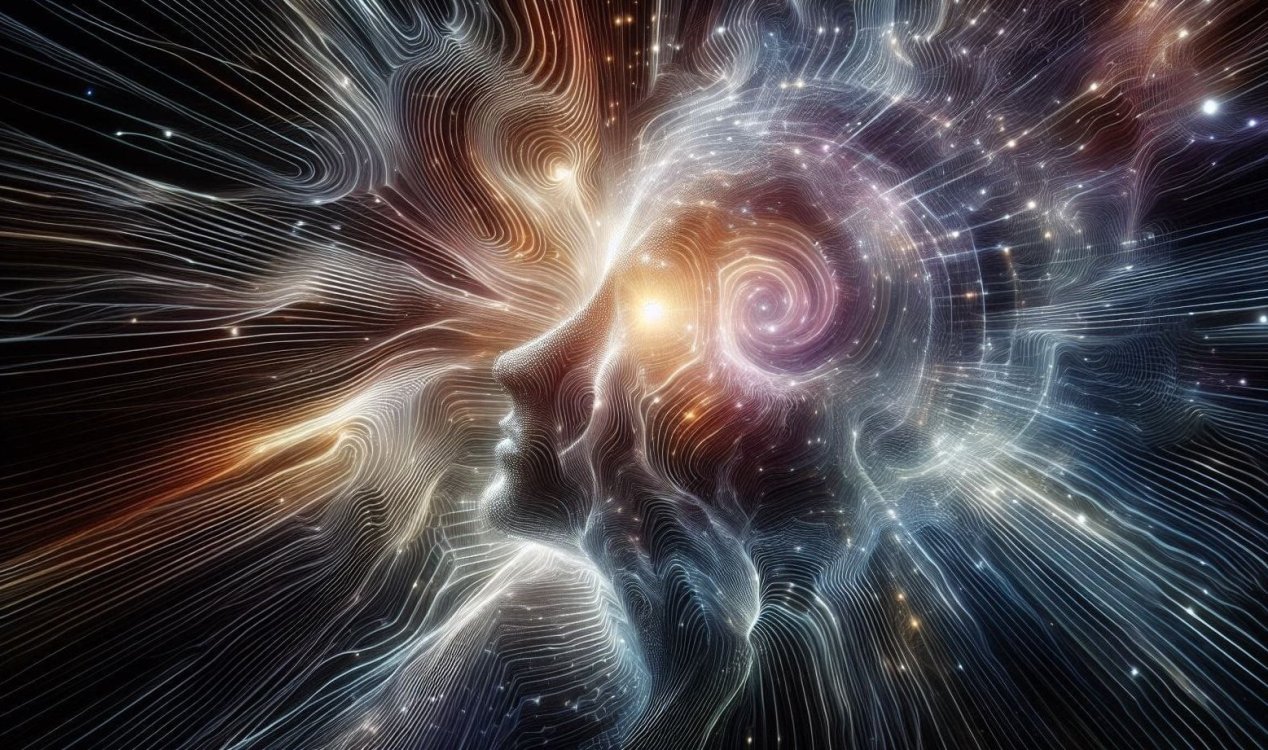
Image: AI-generated (Bing AI / Dall-E 3)
Now according to Uppsala University nanotechnology expert Professor Maria Stromme, the answer could be that consciousness is an ever-present and fundamental building block of the universe - something from which each of us emerged and to which we will also one day return.
She maintains that the separation of individual consciousness may simply be an illusion.
"In the model, individual consciousness is understood as a localized excitation or configuration within a universal consciousness field - much like a wave on the surface of an ocean," she told Mail Online.
"A wave has a form that is temporary, but the water that carries it does not vanish when the wave subsides."
"The fundamental substrate of awareness does not begin or end with the body, just as the ocean does not begin or end with the appearance of a single wave."
As a consequence, Prof Stromme argues that metaphysical phenomena such as telepathy, near-death experiences and recollections of past lives may all be real and explainable.
"If individual awareness is not generated only by the brain, but is an expression of a deeper field, as my model suggests, then moments when the brain is impaired could allow atypical access to that underlying field," she said.
"This would explain why telepathy-like phenomena appear across cultures and throughout history, even though the empirical evidence so far is controversial and not yet conclusive."
Source: Mail Online
Physicist proposes new 'fundamental field' theory of consciousness
By T.K. RandallNovember 26, 2025
Image: AI-generated (Bing AI / Dall-E 3)
Professor Maria Stromme has put forward a new theory of consciousness that could explain psychic phenomena.
Exactly how consciousness works has long remained one of the biggest philosophical and scientific problems of our time - does consciousness arise purely from the brain or do we possess some form of 'soul' that persists on some level after we die ?Now according to Uppsala University nanotechnology expert Professor Maria Stromme, the answer could be that consciousness is an ever-present and fundamental building block of the universe - something from which each of us emerged and to which we will also one day return.
She maintains that the separation of individual consciousness may simply be an illusion.
"In the model, individual consciousness is understood as a localized excitation or configuration within a universal consciousness field - much like a wave on the surface of an ocean," she told Mail Online.
"The fundamental substrate of awareness does not begin or end with the body, just as the ocean does not begin or end with the appearance of a single wave."
As a consequence, Prof Stromme argues that metaphysical phenomena such as telepathy, near-death experiences and recollections of past lives may all be real and explainable.
"If individual awareness is not generated only by the brain, but is an expression of a deeper field, as my model suggests, then moments when the brain is impaired could allow atypical access to that underlying field," she said.
"This would explain why telepathy-like phenomena appear across cultures and throughout history, even though the empirical evidence so far is controversial and not yet conclusive."
Source: Mail Online
Similar stories based on this topic:



The Unexplained Mysteries
Book of Weird News
AVAILABLE NOW
Take a walk on the weird side with this compilation of some of the weirdest stories ever to grace the pages of a newspaper.
Click here to learn more

Support us on Patreon
BONUS CONTENTFor less than the cost of a cup of coffee, you can gain access to a wide range of exclusive perks including our popular 'Lost Ghost Stories' series.
Click here to learn more

1 week
2 weeks
3 weeks
1 month


This week
This month
All time
 |
1. | Loch Ness Monster |
 |
2. | Electronic Voice Phenomenon |
|
3. | Pareidolia |
| - | 4. | Area 51 |
| - | 5. | Phoenix Lights |
| - | 6. | Orb |
| - | 7. | Bigfoot |
| - | 8. | Stanton Friedman |
| - | 9. | Ghost |
|
10. | Storm Area 51 |


Top | Home | Forum
News | Columns | Encyclopedia


UM 11.3 Unexplained-Mysteries.com (c) 2001-2026
Terms | Privacy Policy | Cookies | Contact
News | Columns | Encyclopedia
UM 11.3 Unexplained-Mysteries.com (c) 2001-2026
Terms | Privacy Policy | Cookies | Contact