






Neanderthal genetic code lives on in humans
Jan 30, 2014Researchers have discovered that we possess up to one fifth of our prehistoric cousins' genetic code.
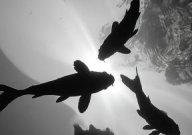
Fossil fish discovery reveals origins of limbs
Jan 14, 2014A recently discovered prehistoric fish is believed to exhibit an early precursor to modern arms and legs.

What color were ancient sea creatures ?
Jan 9, 2014Scientists have discovered traces of skin pigment in the fossilized remains of prehistoric sea beasts.
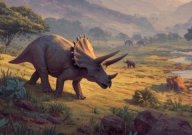
Feathers were uncommon among dinosaurs
Jan 6, 2014While some dinosaurs did have feathers, this trait is believed to be the exception rather than the rule.
Neanderthals spoke like modern humans
Dec 24, 2013A new fossil discovery suggests that humans were not the only species capable of complex speech.
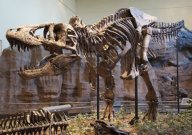
New dinosaur resurrection method proposed
Dec 23, 2013According to one biochemist, it may one day be possible to 'de-evolve' birds back in to dinosaurs.
What makes us different to Neanderthals ?
Dec 20, 2013Scientists have come up with a list of the genes that distinguish us from our prehistoric cousins.
Some dinosaurs had fleshy head ornaments
Dec 18, 2013The discovery of a mummified dinosaur has helped to piece together how some species might have looked.
Neanderthals buried their dead like humans
Dec 17, 2013A new study has revealed that burying the deceased was a behavior shared by our Neanderthal cousins.
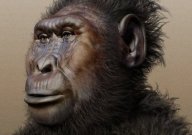
Ancient hominin skeleton discovered
Dec 11, 2013Fossil remains of an ancient hominim species dating back 1.34 million years have been unearthed.
130 million-year-old 'sea monster' found
Dec 9, 2013Palaeontologists have uncovered the remains of a huge prehistoric predatory marine reptile.
Prehistoric 'communal toilet' unearthed
Nov 29, 2013A vast latrine dating back more than 240 million years has been discovered in Argentina.
Who terrorizes the tyrannosaurs ?
Nov 22, 2013A newly discovered dinosaur is believed to have been more than a match for the relatives of T. rex.
Scientists reveal oldest fossil ever found
Nov 17, 2013The foul-smelling single-celled microbes are believed to have lived more than 3.5 billion years ago.
Ancient stone-tipped spears predate humans
Nov 15, 2013The world's oldest known throwing spear tips appear to predate the human race by 85,000 years.
Oldest big cat fossil discovered
Nov 13, 2013Fossil skull fragments of a prehistoric species of large cat have been unearthed in the Himalayas.

Scientists recreate genomes of extinct beasts
Nov 12, 2013New DNA sequencing techniques have helped scientists unlock the secrets of long extinct creatures.
Woolly mammoth to go on display in Taiwan
Nov 8, 2013The preserved remains of a 39,000-year-old mammoth will be put on show as part of an ice age exhibition.
New super-predator dinosaur discovered
Nov 7, 2013A new 80 million-year-old relative of the Tyrannosaurus rex has been unearthed in southern Utah.
Giant platypus fossil unearthed
Nov 5, 2013Dubbed 'platypus-zilla', the ancient ancestor of today's platypus was thought to be over 1m in length.



News | Columns | Encyclopedia


UM 11.3 Unexplained-Mysteries.com (c) 2001-2026
Terms | Privacy Policy | Cookies | Contact